English
 中文简体
中文简体 Español
 Deutsch
-
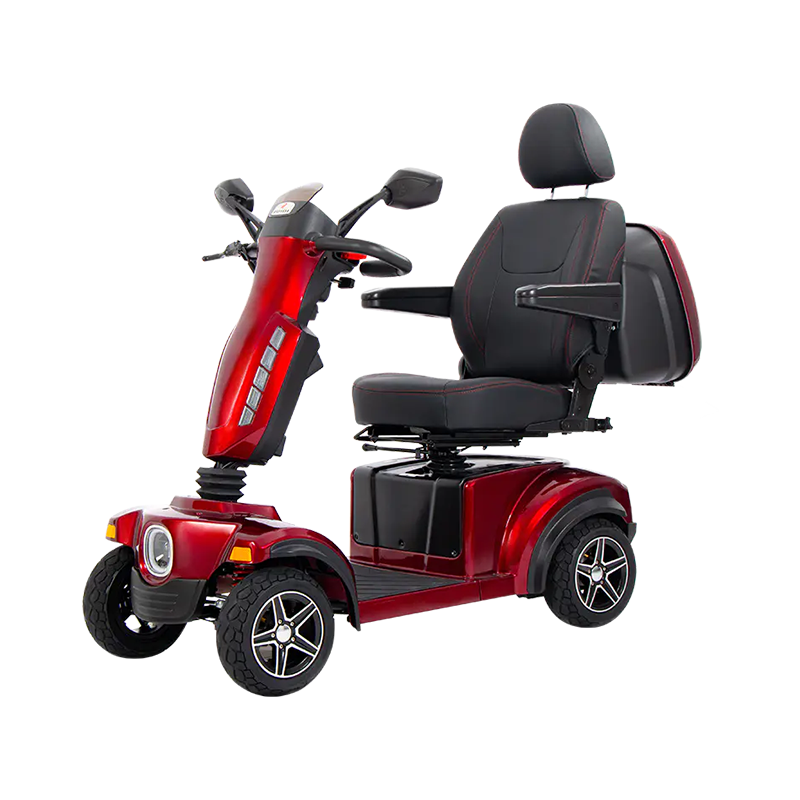 Versatile Compact Mobility Scooter R45SE: Heated Seat, 48Km Range, Urban Freedom
R45SE
The Ruidi R45SE is a compact mobility scooter that combines impressive performance wi... -
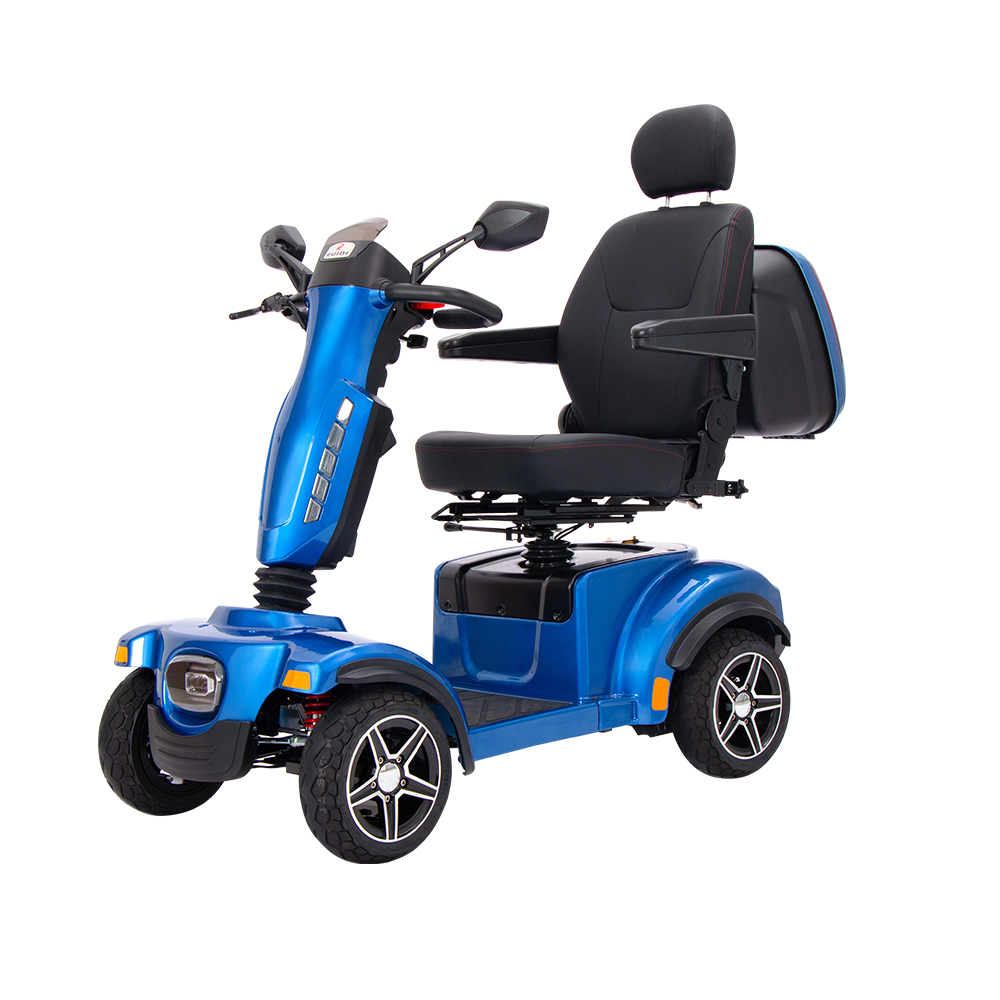 Safe & Comfortable Mobility Scooter R5SE: Thoughtful Travel Companion for The Elderly
R5SE
The Ruidi R5SE Safe & Comfortable Mobility Scooter is meticulously designed for t... -
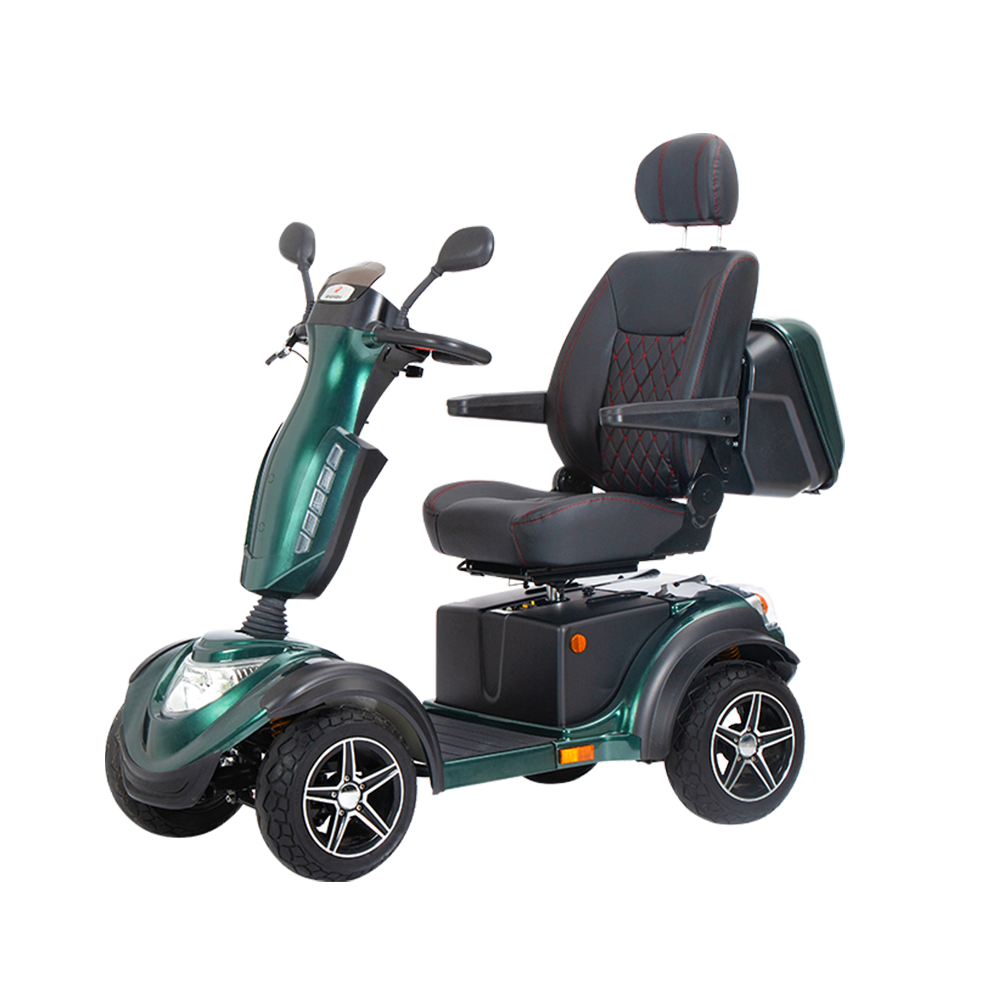 Master of Terrain R68SPRO Conquer Any Path, 65km Freedom Ride
R68SPRO
The Ruidi R68SPRO Pro-Enhanced Mobility Scooter redefines the standards of premium pe... -
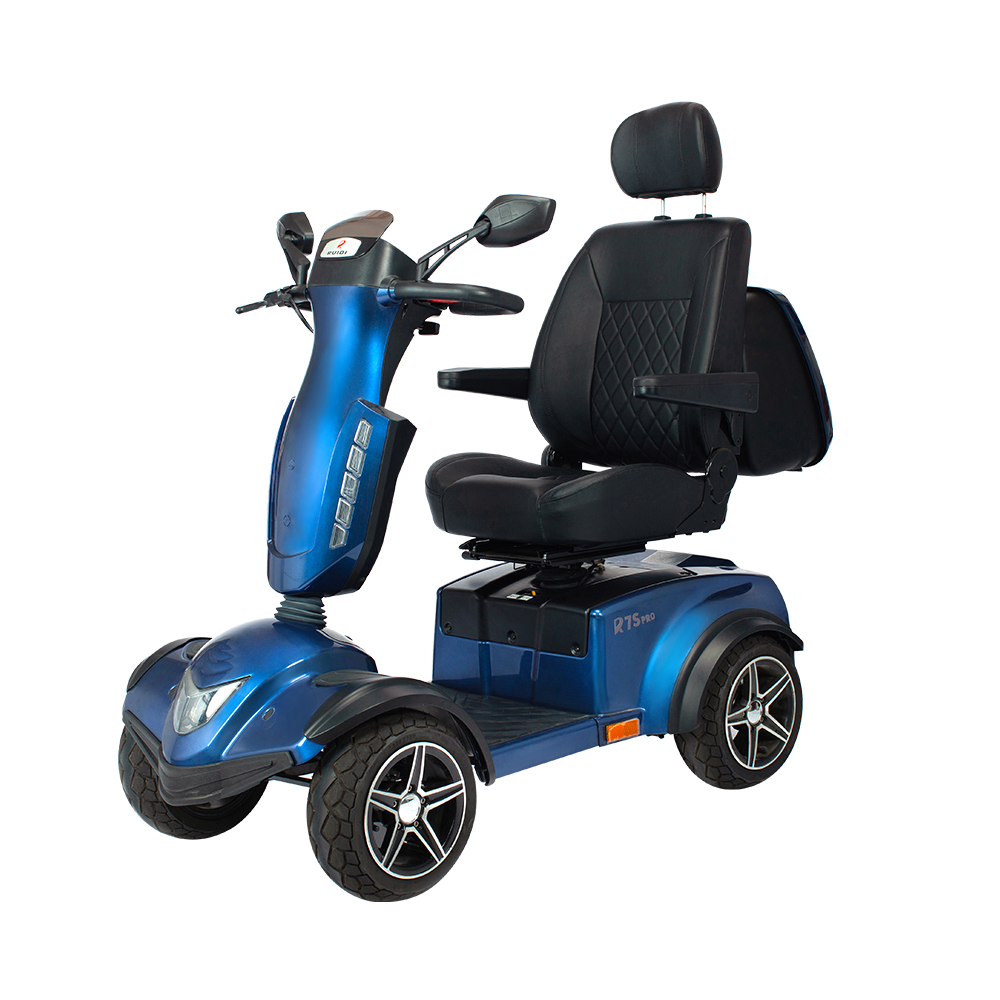 Mobility Scooter R7SPRO: Powerful Performance, Stable Control
R7SPRO
The Ruidi R7SPRO is an all-weather mobility scooter that combines powerful performanc... -
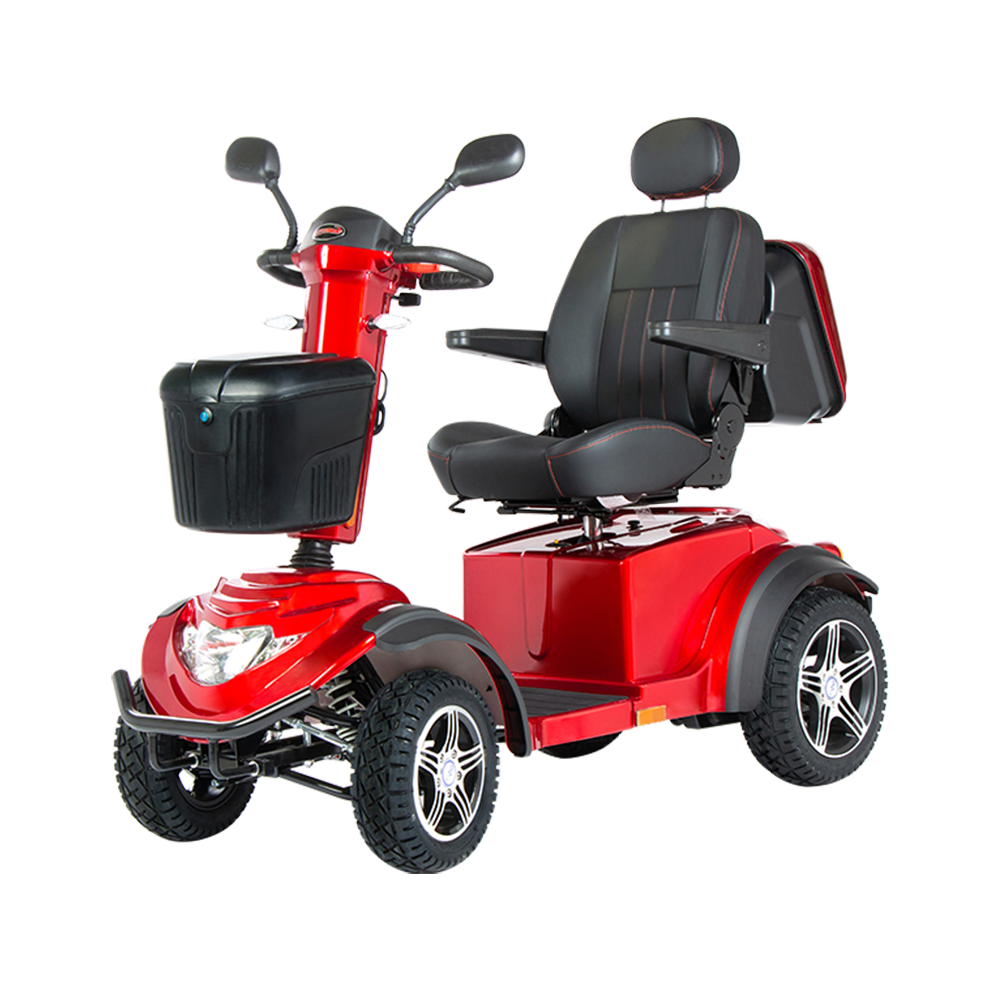 1400W Smart Off-Road Mobility Scooter R9S SMART: 210kg Capacity, All-Terrain
R9S SMART
While ordinary scooters stick to paved roads, the R9S SMART opens new horizons for of... -
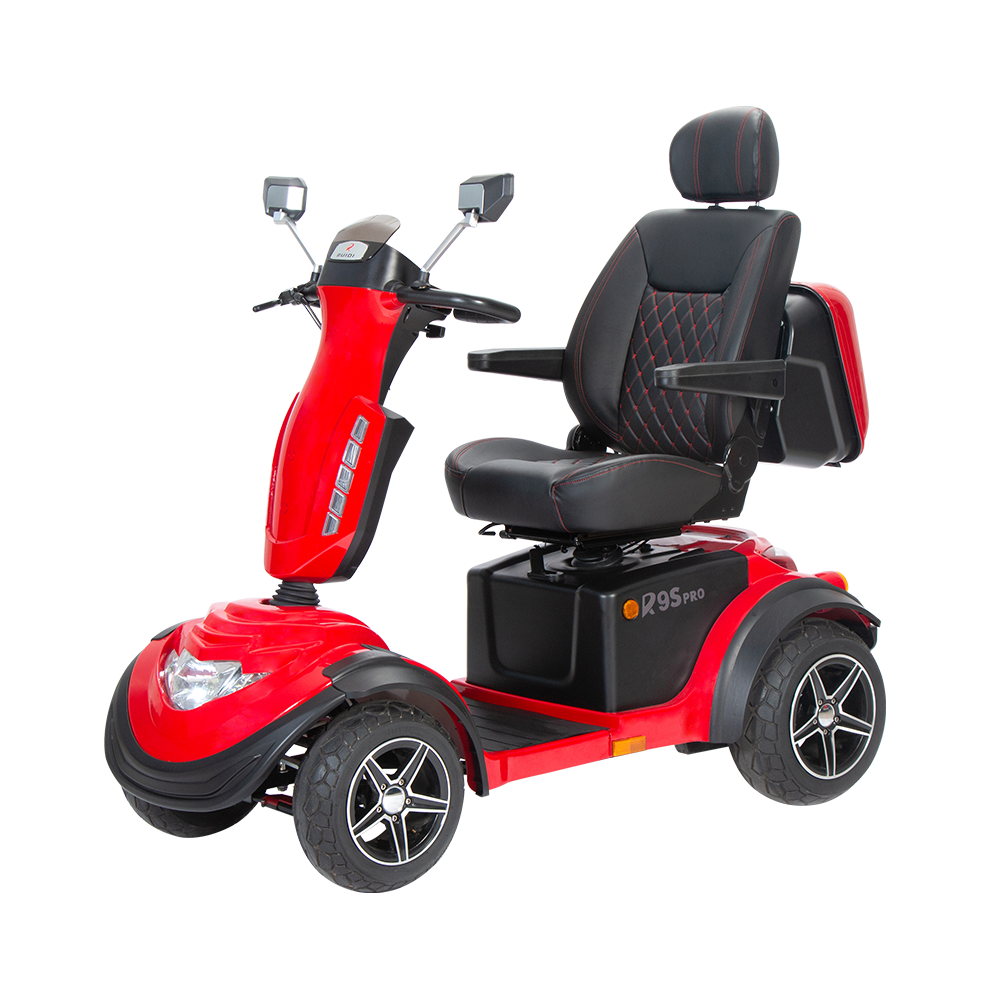 Peak Performance Mobility Scooter R98SPRO: 1400W Power, 70km Max Range
R98SPRO
The R98SPRO, as Ruidi's flagship all-terrain mobility scooter, redefines outdoor trav... -
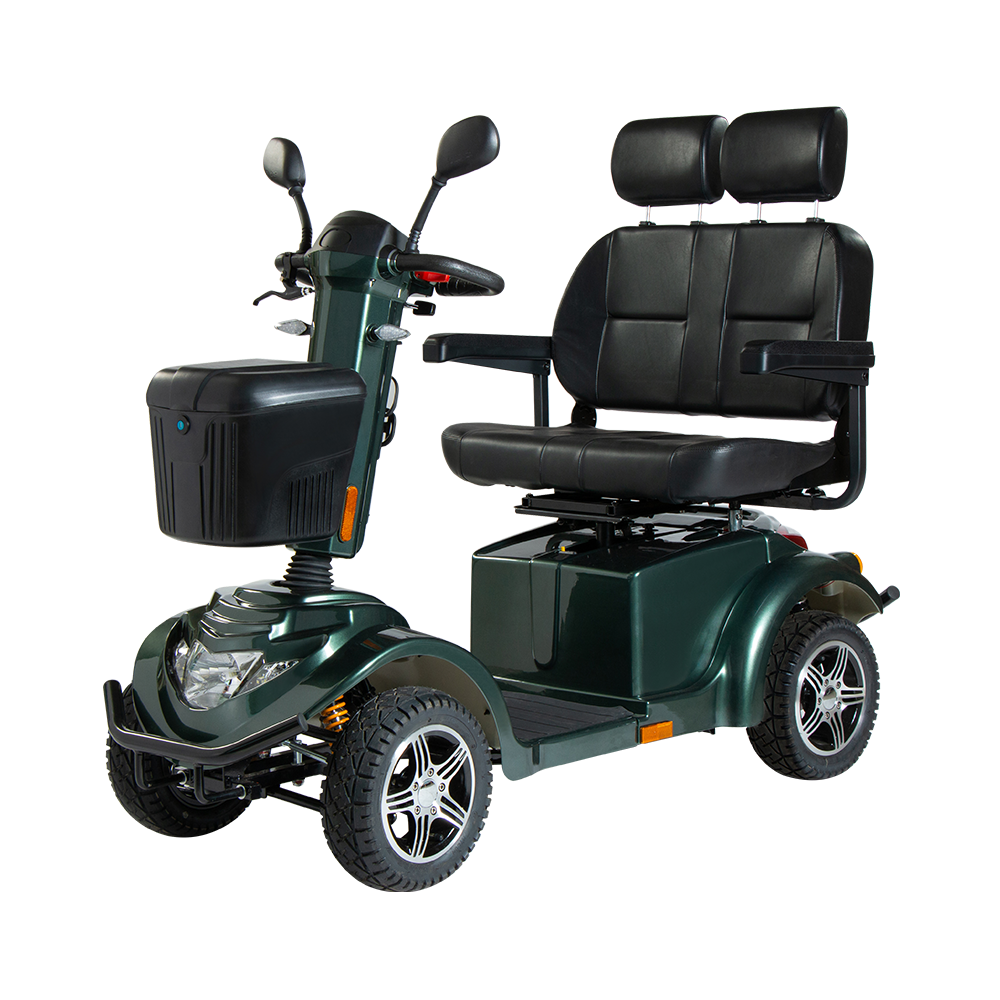 Comfort Dual-Seat Mobility Scooter R9SM-DOUBLE :Share the Ride, Enhanced Comfort
R9SM-DOUBL
The R9SM-DOUBLE is a dual-seat all-terrain mobility scooter designed for shared journ... -
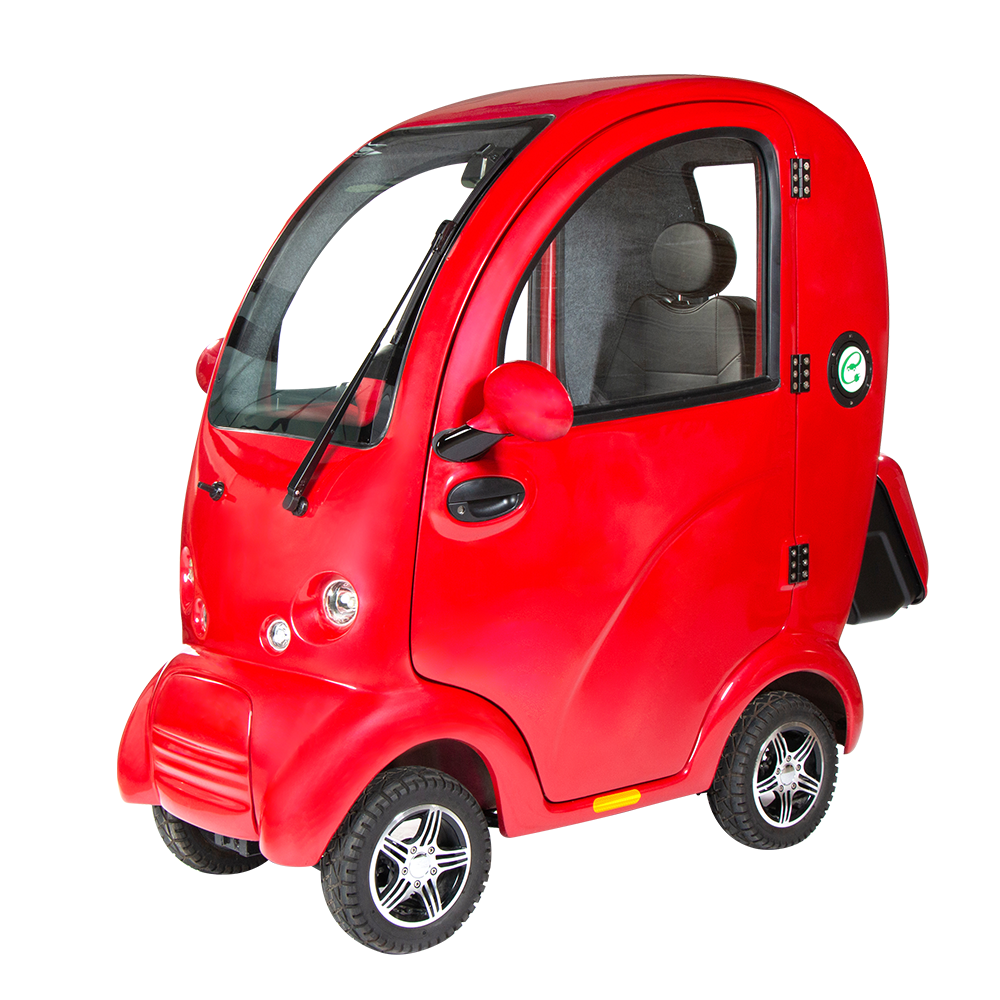 All-Weather Mobility Scooter CABIN X9: Enclosed Cabin, Mobile Sanctuary
CABIN X9
The CABIN X9 redefines comfort standards in personal mobility, creating a moving priv... -
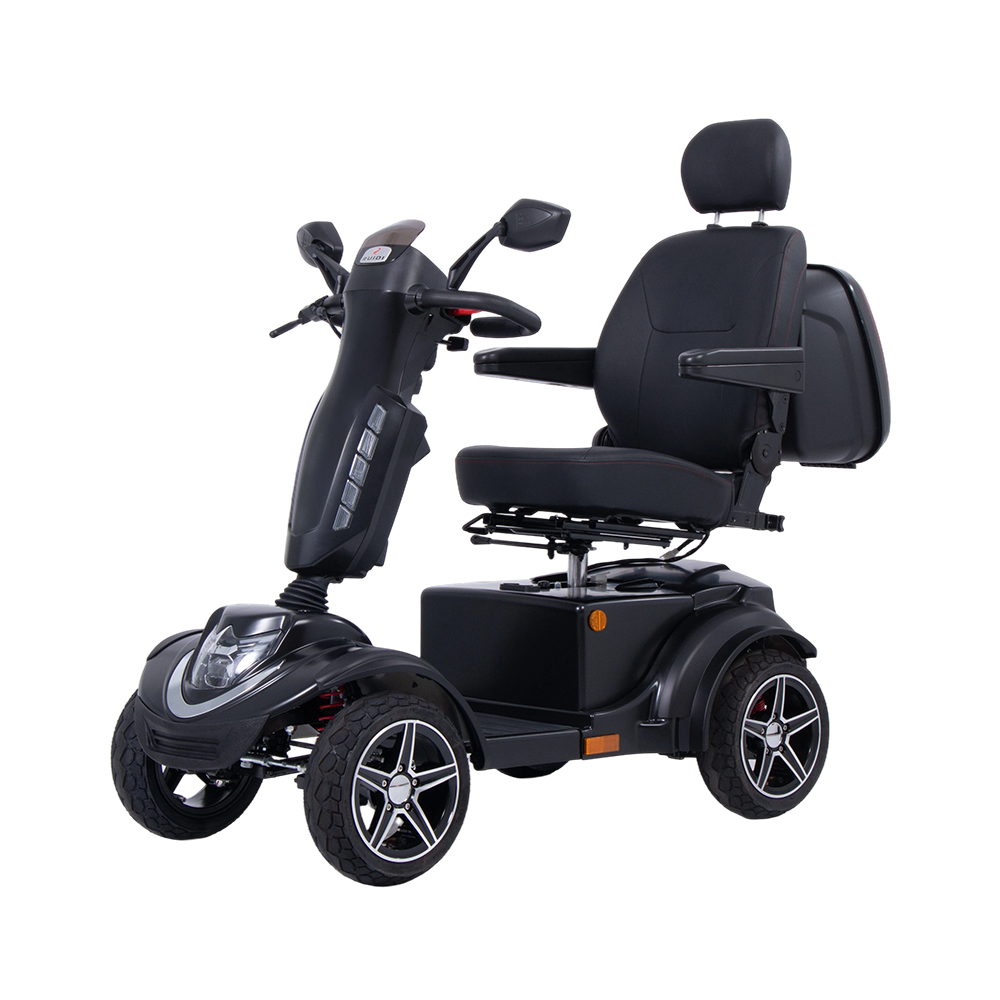 Comfort & Efficient Mobility Scooter R4SE: 65km Range, Heated Seat
R4SE
The R4SE mobility scooter offers an ideal solution for daily travel with its excellen... -
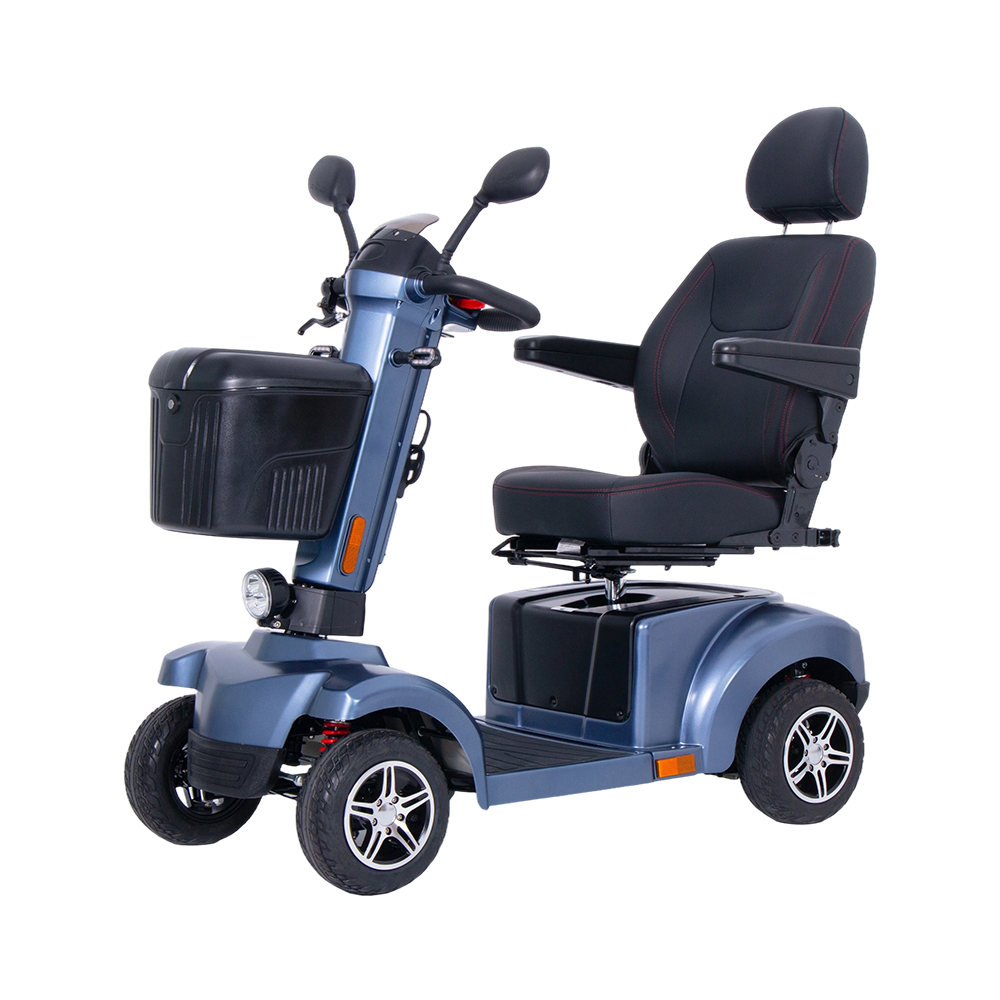 Compact & Agile Mobility Scooter R45SM: Lightweight Design for Efficient Travel
R45SM
Designed for daily travel that prioritizes flexibility and convenience, the R45SM mob... -
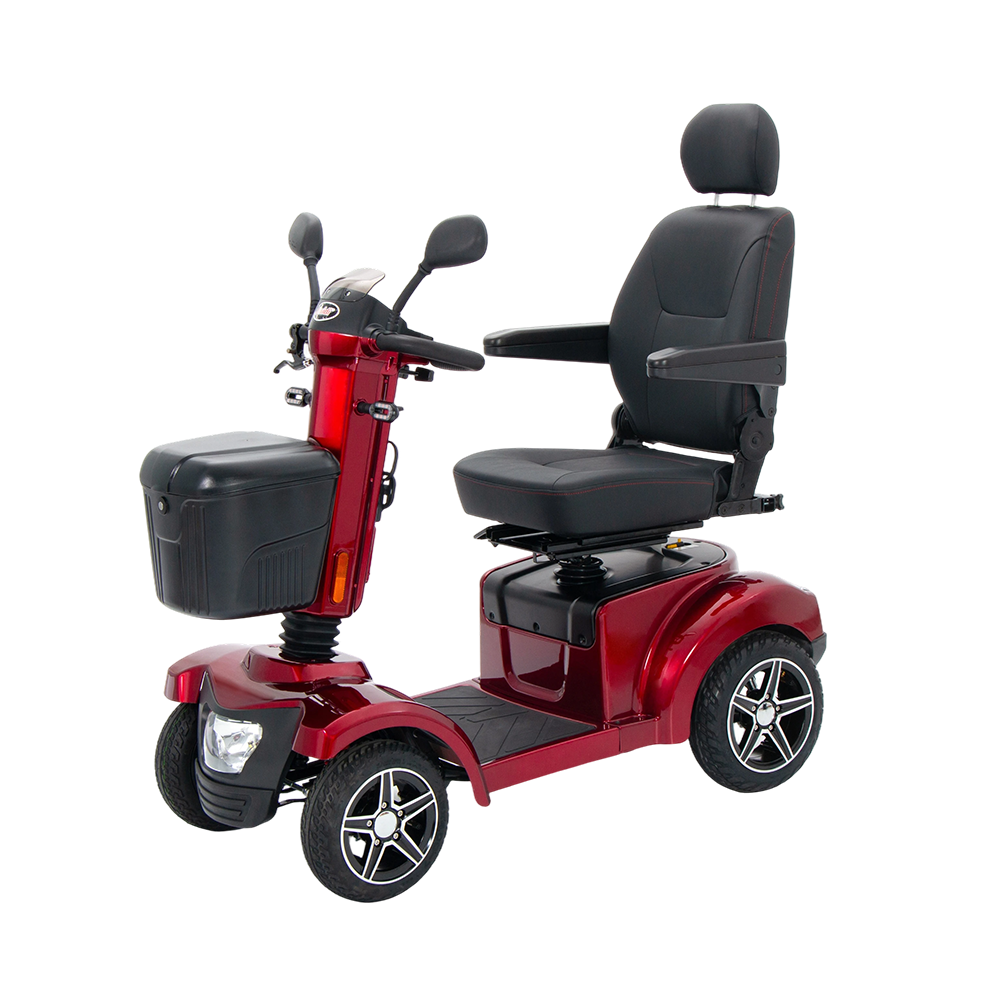 Balanced Performance Mobility Scooter R5SM: Robust Power, Stable Travel
R5SM
The R5SM mobility scooter achieves an excellent balance between power, stability, and... -
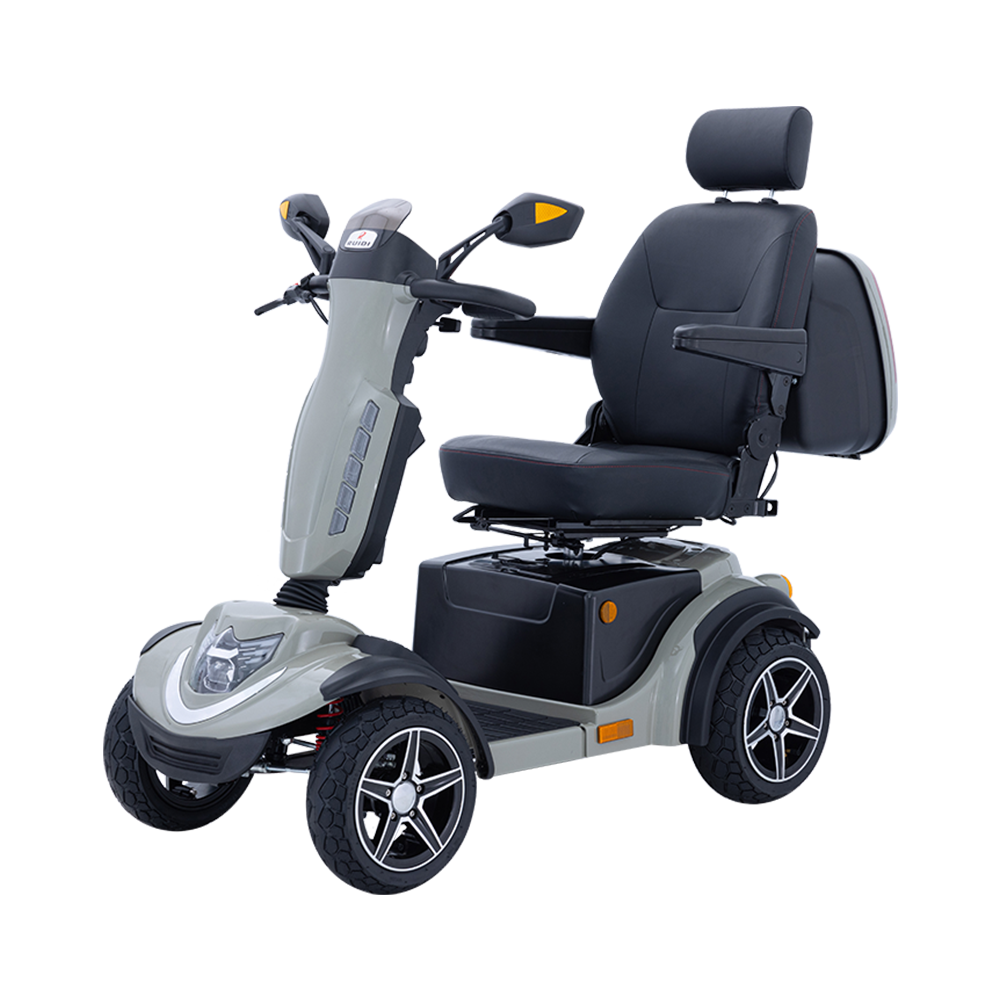 Tech-Luxury Mobility Scooter: TFT Display, Keyless Start, Dual Safety
R49SE
This all-new tech-luxury mobility scooter seamlessly integrates intelligent technolog...

Electric Mobility Scooter

ABOUT
Zhejiang Ruidi Vehicle Industry Co., Ltd.
Zhejiang Ruidi Vehicle Industry Co., Ltd. is a professional manufacturer engaged in the research, development, and production of various electric vehicles. Our products are widely applied in elderly mobility, sports and leisure, and recreational fields.
The company’s manufacturing base is located in Jinhua Industrial Park, Zhejiang Province, covering an area of approximately 35,000 square meters. The facility is equipped with over 100 sets of advanced production equipment and four efficient production lines, ensuring stable production capacity and reliable product quality.
At present, our products are exported to the United States, Canada, Europe, and Australia, as well as supplied to the Chinese domestic market. Our main product series include mobility scooters for the elderly, electric walking chairs, foldable electric mobility scooters, and enclosed cabin-type electric mobility scooters.
We consistently adhere to a quality-centered management philosophy and are supported by a professional and efficient team. We are committed to providing electric mobility products that are easy to operate, energy-saving, environmentally friendly, low-noise, and pollution-free. We believe these products bring greater comfort, convenience, and freedom to elderly and mobility-impaired users, helping them enjoy a higher quality of life.
View More
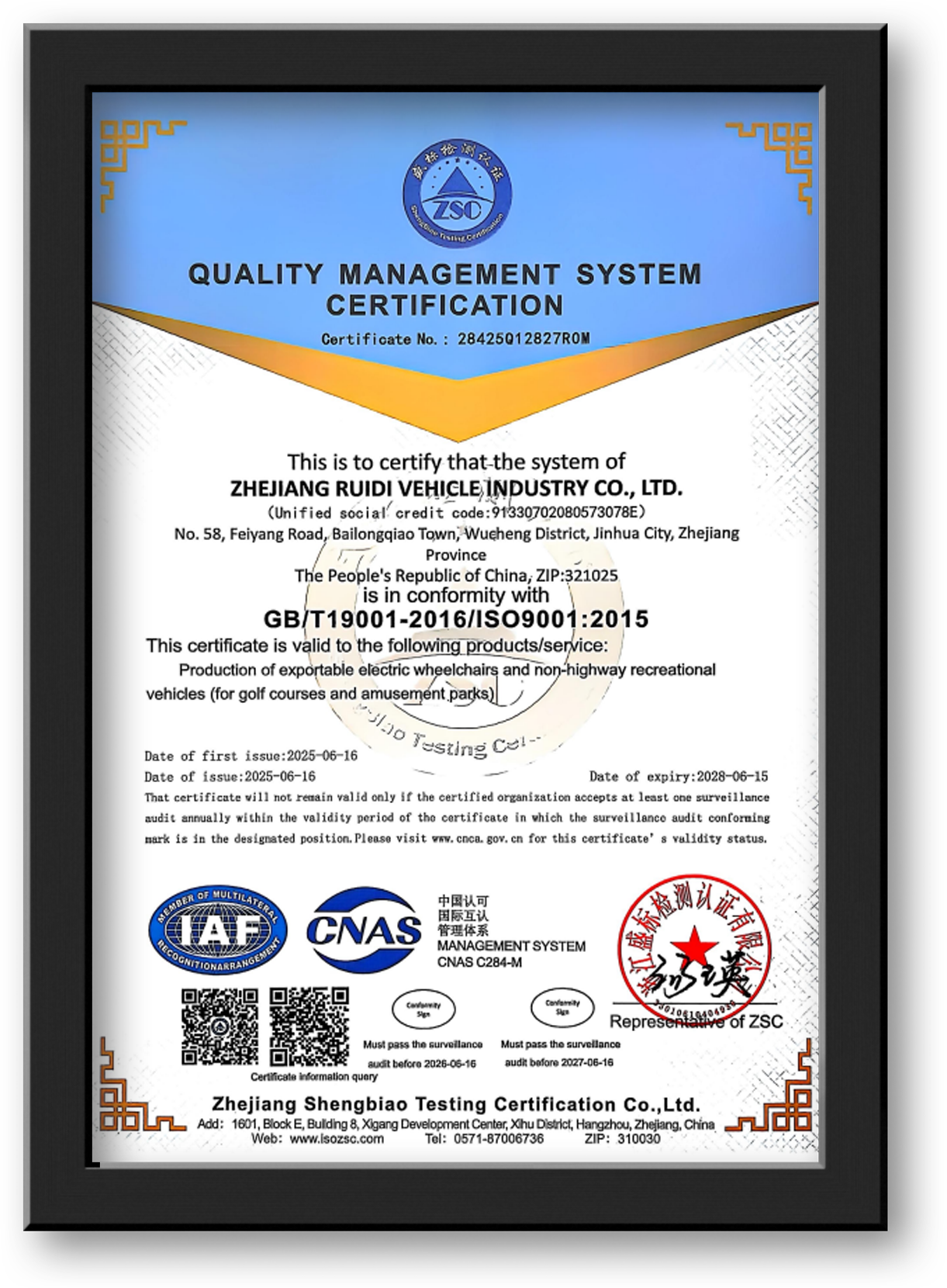
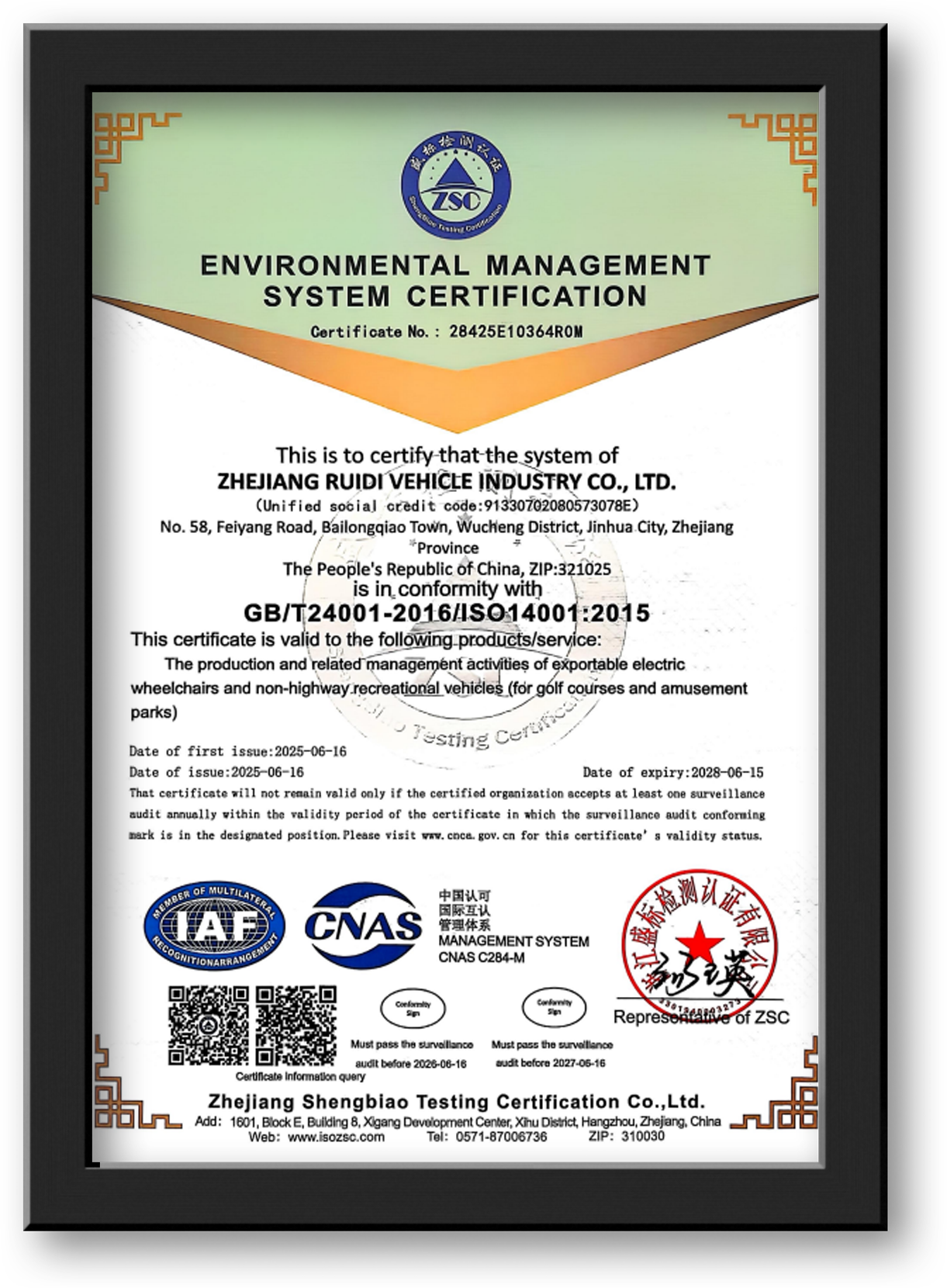
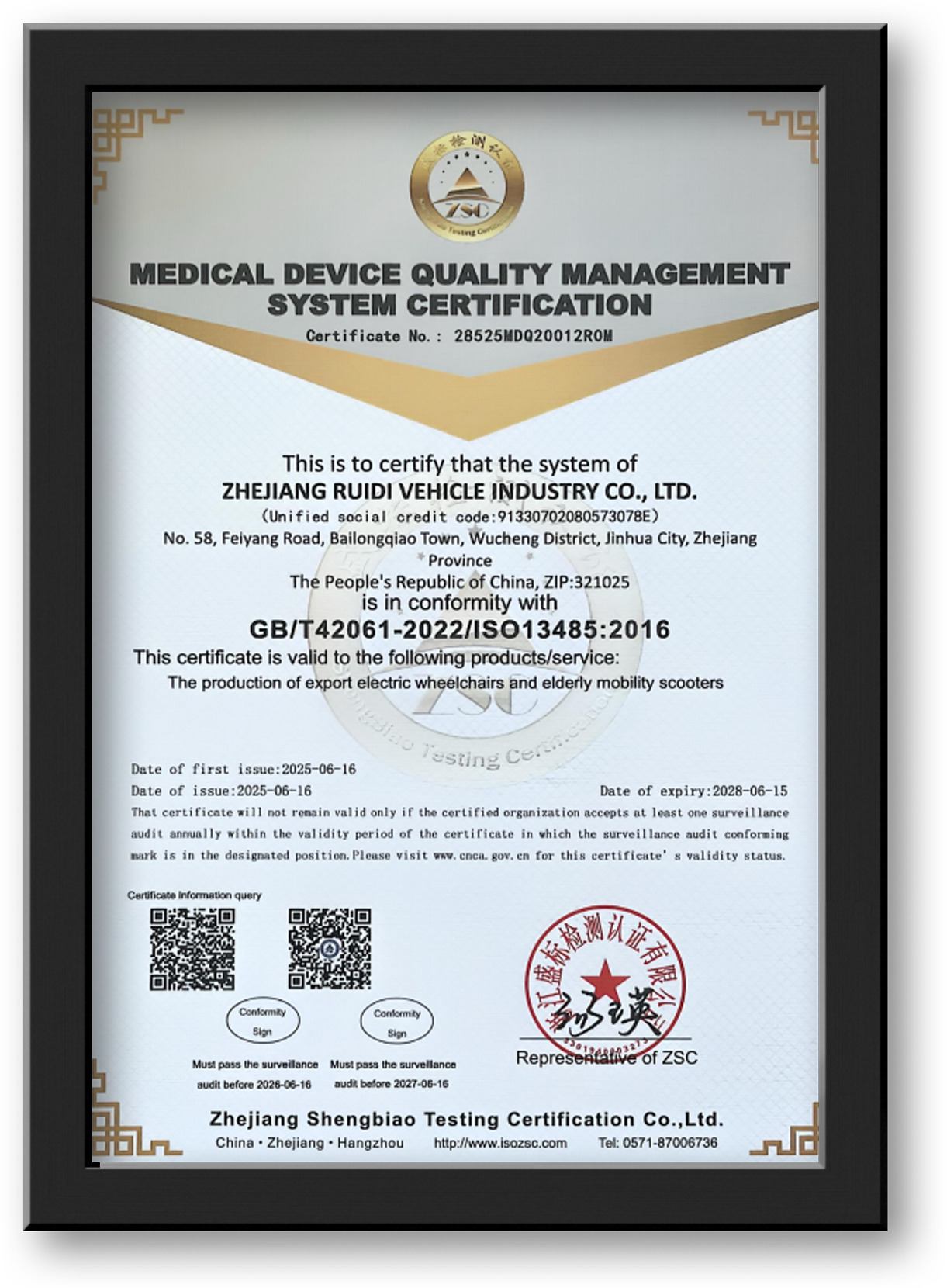
Patent Certificate
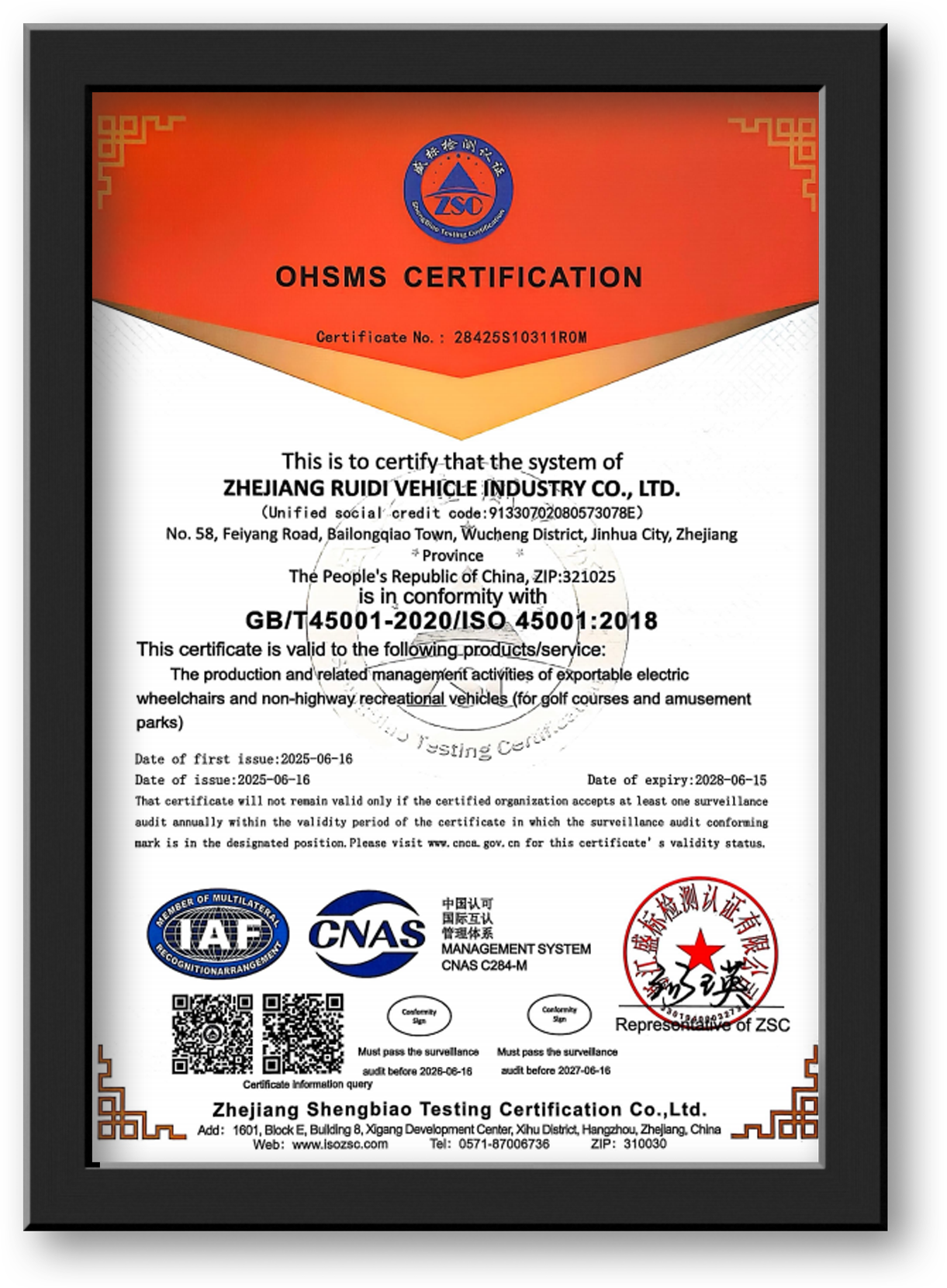
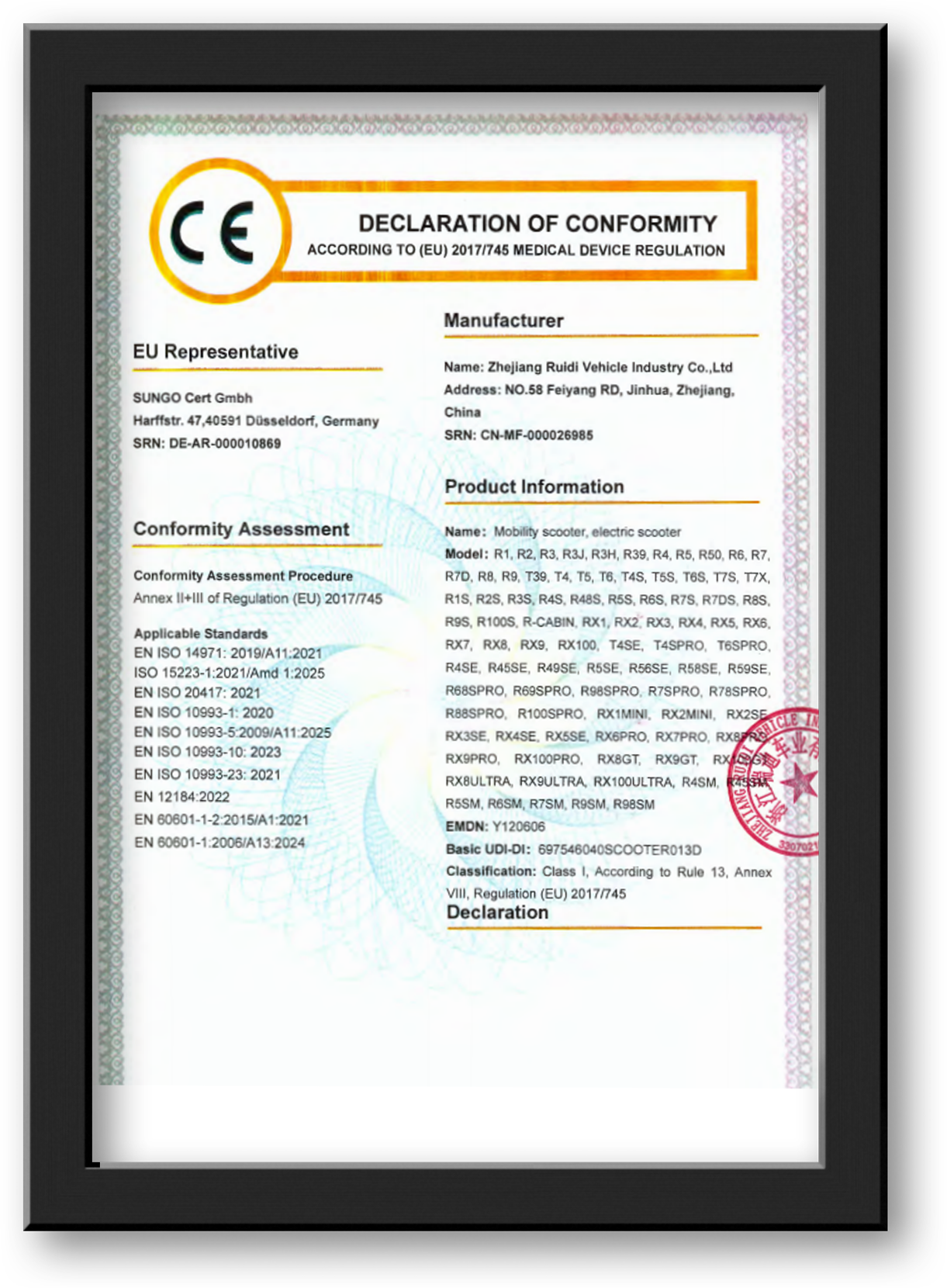
Latest Updates
View More-
2026.10.16
Travel Mobility Scooter Design Shifts Toward Outdoor Usability
A Travel Mobility Scooter designed for longer outdoor use faces different requirements from a compact model intended mainly for short local ...Read More -
2026.10.09
Small Lightweight Scooter Balances Portability With Daily Performance
A Small Lightweight Scooter is shaped by a practical balance between easy handling and usable mobility. Reducing dimensions can improve stor...Read More -
2026.10.02
How Do Factories Test Small Portable Mobility Scooters?
Testing Starts With the Folding Frame For small portable mobility scooters, the folding frame is a key part of product design. Users may fol...Read More -
2026.09.25
4 Wheel 2 Seat Mobility Scooter Expands Shared Mobility Options
A second seat changes more than the number of people a mobility scooter can carry. It changes how two people enter, sit, communicate, and mo...Read More
Industry Knowledge
Electric mobility scooters are appearing with increasing frequency in residential communities, shopping malls, and parks. For those with limited mobility, these devices are more than just assistive aids; they serve as a gateway to reclaiming independence in daily life. Many people, upon sitting on one for the time, suddenly realize just how effortless getting around can be—no longer do they need to worry about physical exhaustion or constantly rely on others; they are free to go wherever they please.
What Are They, and Who Uses Them?
Essentially, an electric mobility scooter is a compact electric vehicle featuring a seat, handlebar-style controls, and a sturdy chassis, designed specifically for short-distance travel. The operating logic is straightforward—forward, reverse, and steering—meaning that more users can hop on and master the controls within just a few minutes. Speeds are typically moderate, as the design priority is placed on stability and safety rather than high performance.
There are roughly three main groups of users:
- Elderly with limited mobility: With a mobility scooter, tasks such as grocery shopping, taking a stroll, or visiting neighbors no longer require family accompaniment; seniors can venture out on their own. Many older users report that the more significant change after adopting a scooter isn't merely the relief from leg fatigue, but rather the sense of psychological peace—they no longer feel like a burden to others.
- Patients undergoing rehabilitation: When temporarily unable to walk long distances, a mobility scooter can fulfill basic transportation needs without disrupting daily routines. This is particularly beneficial during the rehabilitation phases for orthopedic or neurological conditions; doctors sometimes recommend using a scooter to reduce physical strain on the injured area while allowing patients to maintain normal social engagement, thereby preventing the dual physical and psychological decline often associated with prolonged bed rest.
- Experience fatigue easily when walking: This does not necessarily imply a severe medical condition; rather, issues such as chronic fatigue, joint problems, or persistent lower back discomfort can turn a walk of just a few hundred meters into a task requiring advance planning. For this group, a mobility scooter is not viewed as a "disability aid," but rather as a practical tool—much in the same vein as eyeglasses or hearing aids.
How to Choose the Right Model
There are three primary types available on the market, each with its own specific focus.
The Standard Model is the more common variety. It features moderate dimensions, a respectable battery range, and a seat that is typically more thickly padded than those found on portable models. It is ideally suited for daily use on flat, even surfaces—such as those found in residential communities, parks, and shopping malls. If you anticipate using the scooter on a daily basis and primarily within a fixed geographical area, the Standard Model often represents the good value for money. The core selling point of portable models is their ability to be folded or disassembled; the overall vehicle weight is significantly lighter, and some models can be broken down to fit into the trunk of a standard sedan, or even taken aboard trains or airplanes. In recent years, portable models have gained increasing popularity because they expand the usage scenarios for mobility scooters beyond just "right outside your door" to "usable almore anywhere." For users who travel frequently or enjoy visiting relatives and sightseeing, portability is often a more critical factor than battery range.
Heavy-duty models are primarily designed for users with a higher body weight or for scenarios involving travel over complex terrain—such as rural paths, stone-paved park walkways, or landscapes involving inclines and declines. These vehicles feature sturdier chassis, wider wheels, and good shock absorption; however, the trade-off is a heavier body weight and reduced portability.
| Type | Key Features | Suitable Scenarios |
| Standard | Good stability, moderate range | Residential communities, parks, shopping malls |
| Portable | Foldable or detachable, lightweight | Travel, visiting relatives, sightseeing |
| Heavy-Duty | High load capacity, robust chassis | Complex outdoor terrain |
Key Considerations Before Buying
Usage Frequency: If you plan to use the scooter almore every day, you cannot compromise on seat comfort or overall vehicle stability. A seat that is too thin or lacks sufficient cushioning will cause significant back and waist discomfort during prolonged use; similarly, an unstable chassis can be unnerving when navigating even slightly uneven surfaces.
- Usage Environment: Whether you intend to use the scooter primarily indoors or outdoors will determine the specific requirements for tires, shock absorption, and chassis durability. Outdoor environments present more complex road conditions and therefore demand a more robust vehicle. If you desire the flexibility to use the scooter for local errands as well as occasional travel, a portable model may offer the more practical solution.
- Storage Space: This is a factor that many people overlook before purchasing, only to find it becomes a headache afterward. A standard-sized mobility scooter parked in the corner of a living room can actually take up a considerable amount of space. If you have limited space at home, a foldable model—though typically higher in price—can significantly improve your day-to-day living experience.
- Handling and Control: This aspect is difficult to evaluate solely by reviewing technical specifications. Every individual possesses unique physical strength, reaction times, and handling habits. It is highly recommended that you physically test-ride the scooter before making a purchase; even just taking a few laps around the store can give you a clear sense of whether the vehicle handles naturally and comfortably for you. If there are no physical retail stores nearby, consider purchasing through a retailer that offers a return or exchange policy, allowing you to test the scooter for a period of time before making a final decision.
- Battery Range: The mileage figures stated by manufacturers typically represent values achieved under ideal conditions; in actual use, factors such as road surface conditions, payload, and the frequency of uphill travel can significantly reduce this range. It is advisable to apply a 30% discount to the stated range to estimate your actual usable distance, and then compare this figure against your own daily travel radius to determine if it meets your needs.
Do Not Neglect Routine Maintenance
Mobility scooters do not require overly complex maintenance, but regular inspections can prevent many unnecessary issues and extend the overall lifespan of the vehicle.
The battery is the component requiring the more attention. Poor charging habits—such as frequently overcharging or storing the unit for extended periods with a low charge—will significantly accelerate battery aging. It is recommended to unplug the charger promptly once the battery is fully charged, and to maintain a charge level of approximately 50% when storing the vehicle for long periods of disuse.
Tire pressure affects both riding stability and range; checking it regularly with a pressure gauge is a good habit, particularly during seasonal transitions when temperature fluctuations can cause changes in tire pressure.
The braking and control systems should be checked periodically to ensure responsiveness. If you notice an increased braking distance or a sluggishness in steering, address the issue immediately; do not put off necessary repairs.
It is advisable to regularly clean dust and dirt from the vehicle body, paying particular attention to the wheel hubs and undercarriage. Vehicles used outdoors are prone to accumulating mud, and if left uncleaned for extended periods, this can compromise the lifespan of the drivetrain and braking components.
Important Considerations During Use
For first-time users, it is recommended to practice in an open, spacious area rather than rushing to operate the vehicle in crowded places. A mobility scooter has a wider turning radius than a walking pedestrian; navigating narrow passageways or areas with heavy foot traffic requires greater experience in judging distances.
When using the vehicle in public spaces, be sure to yield to pedestrians—especially children and the elderly—whose movements can often be difficult to anticipate. Indoor venues such as shopping malls and hospitals typically permit the use of mobility scooters; however, many places have implicit expectations regarding speed, making slow and cautious driving a matter of basic courtesy.
If you intend to travel on inclines, you must verify the vehicle's climbing capability and its braking performance on descents. These two specifications are well worth inquiring about specifically when purchasing the vehicle.
An electric mobility scooter is not a luxury item; for those who truly need one, it represents the difference between being able to leave the house independently and being unable to do so. By selecting the right model, using it correctly, and maintaining it properly, you can achieve a tangible and significant improvement in your quality of life. Rather than viewing it as a "last resort" or mere auxiliary tool, try looking at it from a different perspective: it simply allows you to navigate the rhythm of your own life with a little more ease.
We'd love to hear from you!

QUICK LINKS
PRODUCTS
CONTACT INFORMATION
 No.58 Feiyang Road , Jinhua 321025, Zhejiang, China
 +86-13905796145
 [email protected]
  +86-579-82268015
Mobility Scooter For Elderly Factory
Copyright © Zhejiang Ruidi Vehicle Industry Co., Ltd. Rights Reserved.