English
 中文简体
中文简体 Español
 Deutsch
information to be updated

Recreational scooters/Golf Cart
The Ruidi Leisure Utility Vehicle (Golf Cart) is a reliable choice for diverse transportation and utility tasks within your campus. It is suitable not only for golf courses but also widely used in resorts, residential communities, large industrial parks, and more. We emphasize the versatility of our products, providing ample carrying capacity to meet various transport needs in both work and leisure settings. The vehicles are easy to operate and offer a stable ride, ensuring users can handle them with ease. We also offer a range of optional accessories to adapt to different scenarios and personal preferences. In manufacturing, we focus on durability and long-term reliability. Whether used for material handling, site patrols, or as convenient personal transport, the Ruidi LUV, with its practical design and dependable performance, is an ideal partner for enhancing your work efficiency and leisure quality.

ABOUT
Zhejiang Ruidi Vehicle Industry Co., Ltd.
Zhejiang Ruidi Vehicle Industry Co., Ltd. is a professional manufacturer engaged in the research, development, and production of Recreational scooters/Golf Cart. Our products are widely applied in elderly mobility, sports and leisure, and recreational fields.
The company’s manufacturing base is located in Jinhua Industrial Park, Zhejiang Province, covering an area of approximately 35,000 square meters. The facility is equipped with over 100 sets of advanced production equipment and four efficient production lines, ensuring stable production capacity and reliable product quality.
At present, our products are exported to the United States, Canada, Europe, and Australia, as well as supplied to the Chinese domestic market. Our main product series include mobility scooters for the elderly, electric walking chairs, foldable electric mobility scooters, and enclosed cabin-type electric mobility scooters.
We consistently adhere to a quality-centered management philosophy and are supported by a professional and efficient team. We are committed to providing electric mobility products that are easy to operate, energy-saving, environmentally friendly, low-noise, and pollution-free. We believe these products bring greater comfort, convenience, and freedom to elderly and mobility-impaired users, helping them enjoy a higher quality of life.
View More
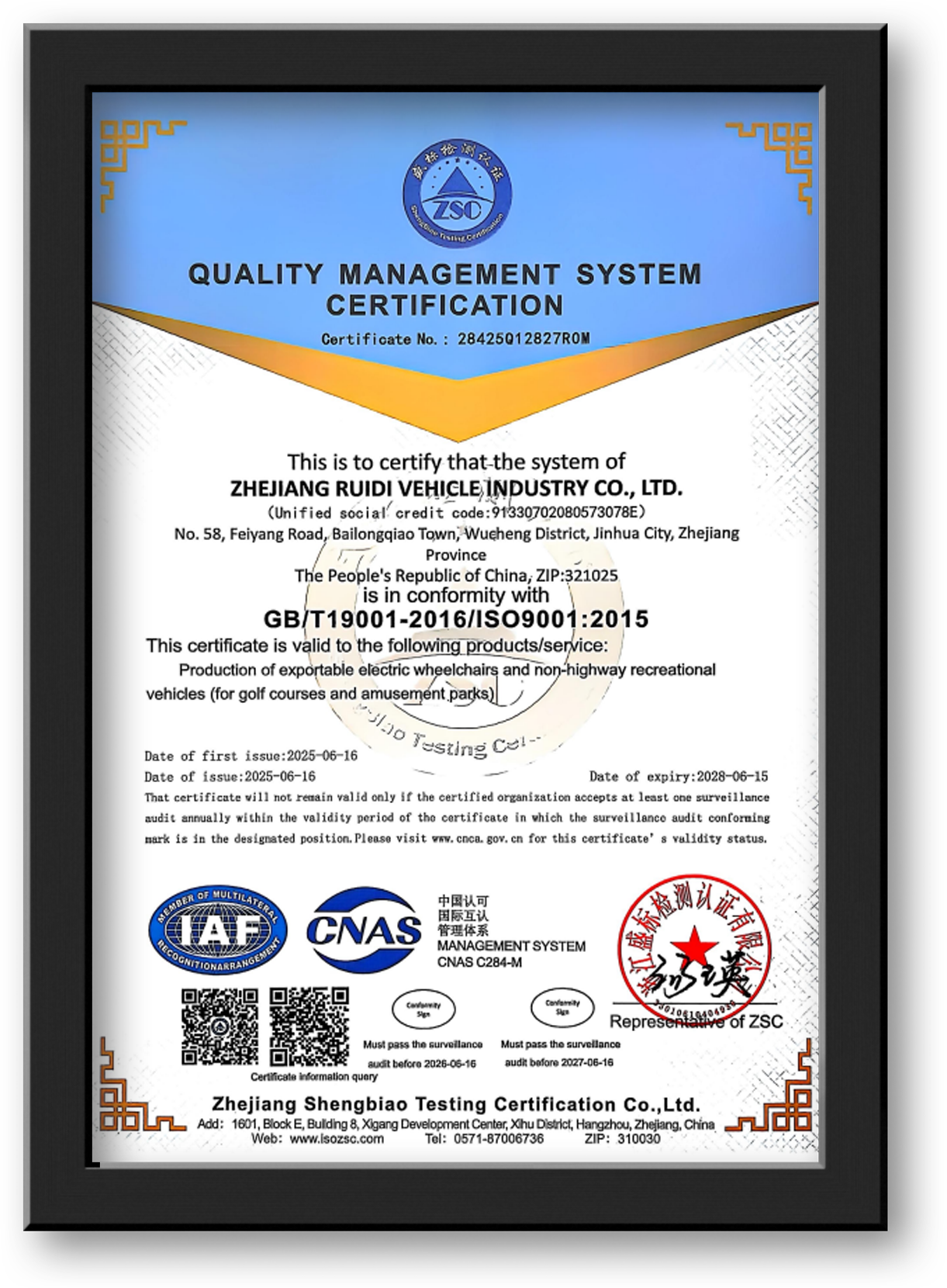
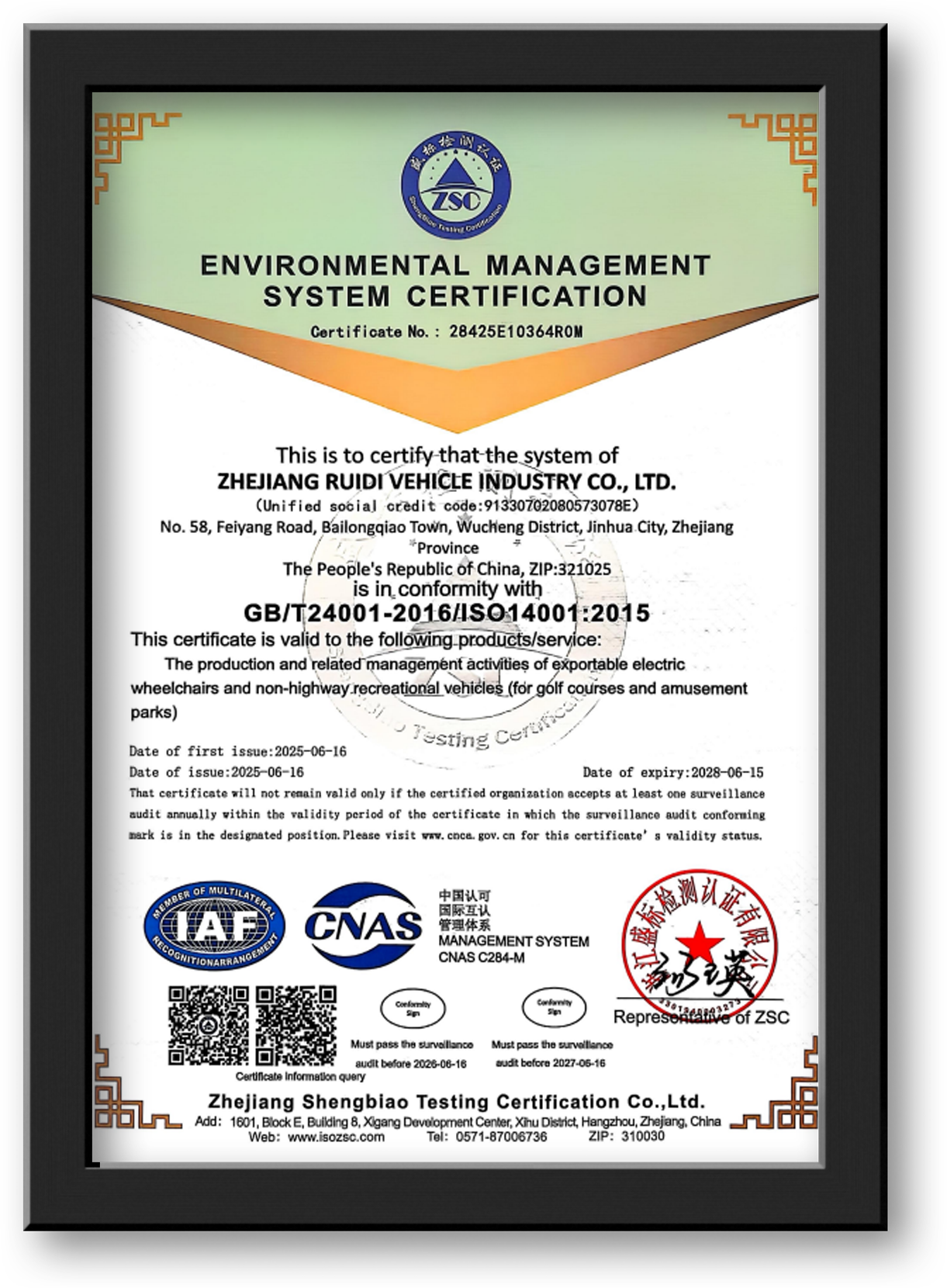
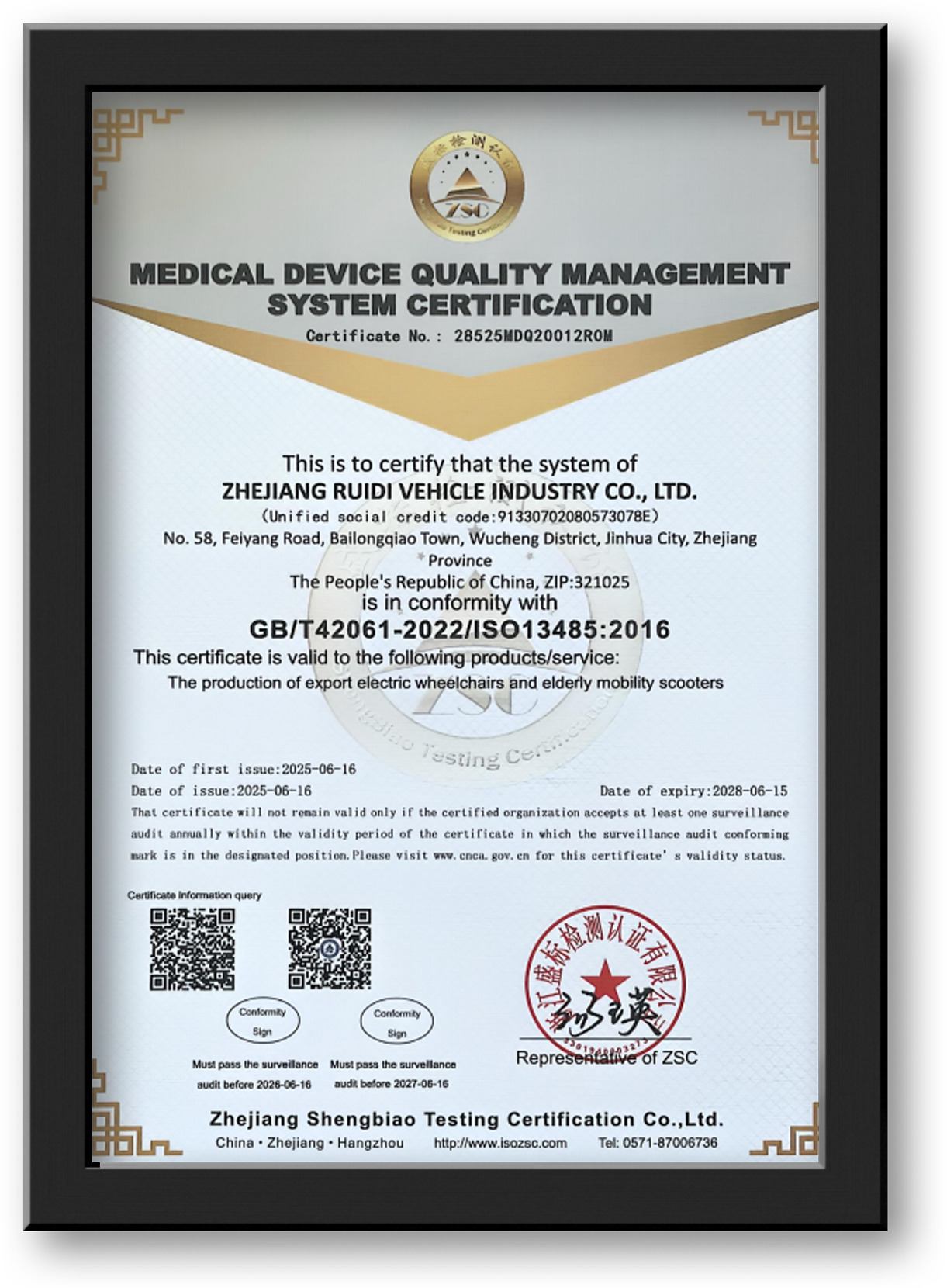
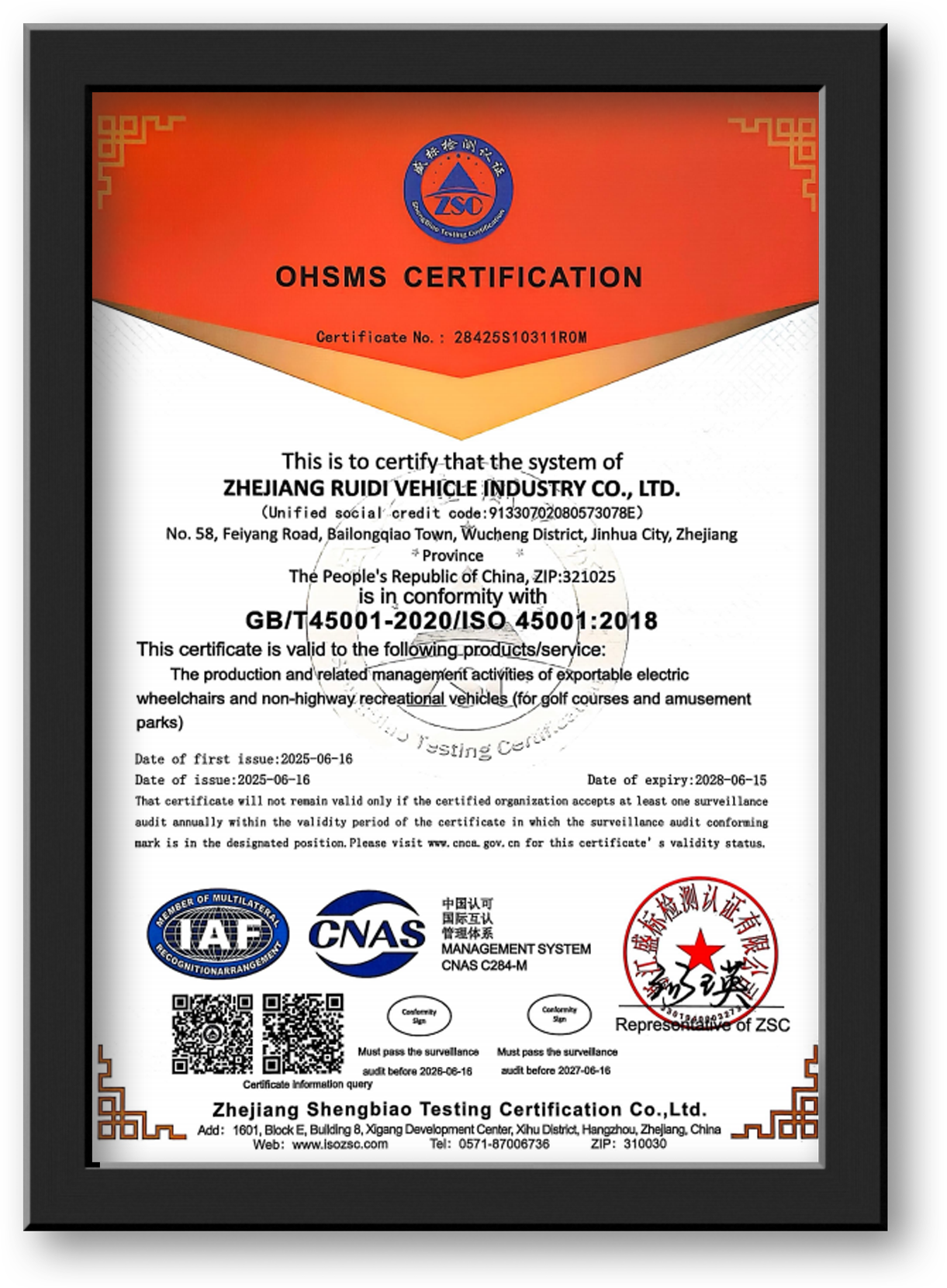
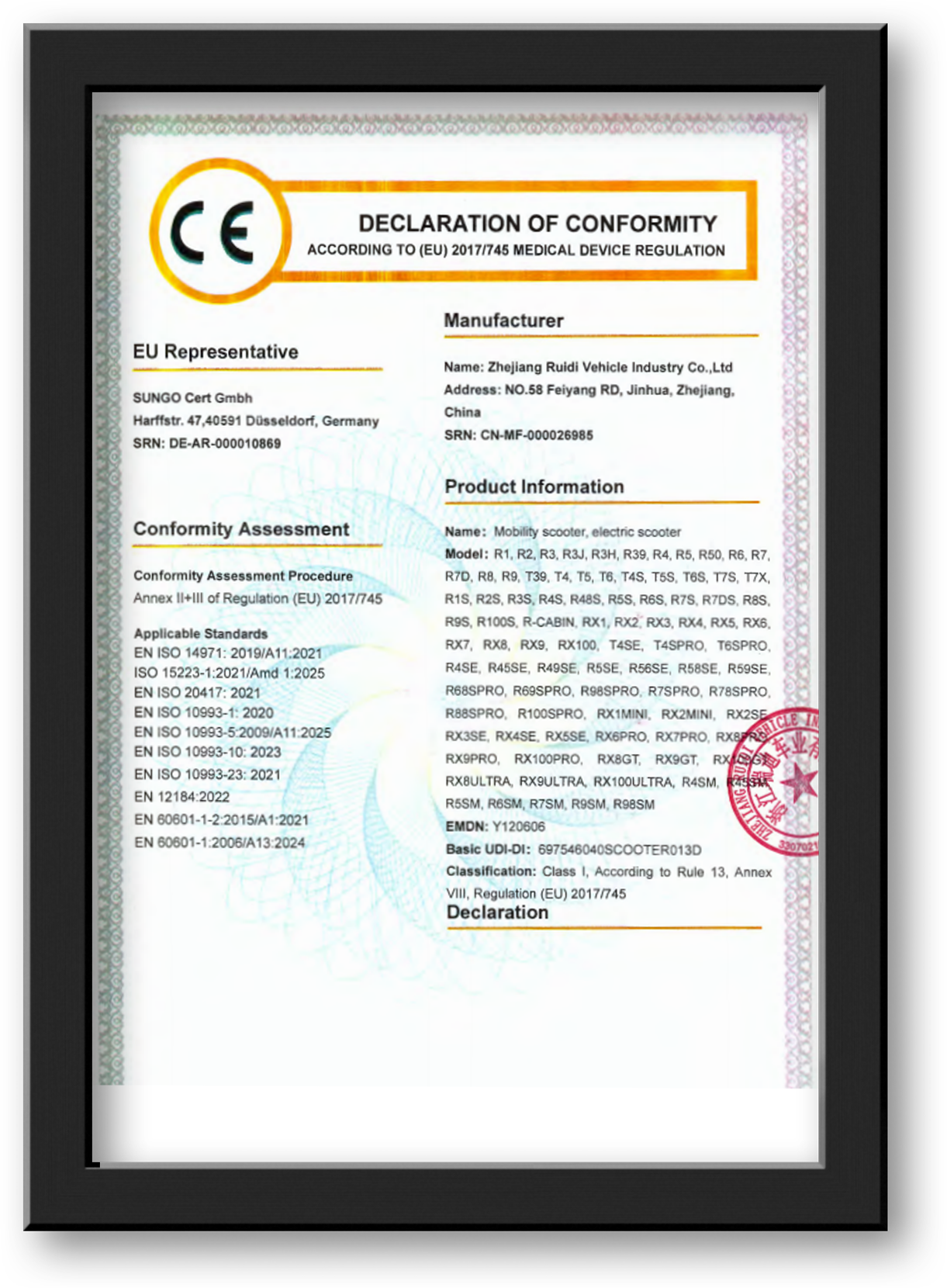
Patent Certificate
Latest Updates
View More-
2026.10.16
Travel Mobility Scooter Design Shifts Toward Outdoor Usability
A Travel Mobility Scooter designed for longer outdoor use faces different requirements from a compact model intended mainly for short local ...Read More -
2026.10.09
Small Lightweight Scooter Balances Portability With Daily Performance
A Small Lightweight Scooter is shaped by a practical balance between easy handling and usable mobility. Reducing dimensions can improve stor...Read More -
2026.10.02
How Do Factories Test Small Portable Mobility Scooters?
Testing Starts With the Folding Frame For small portable mobility scooters, the folding frame is a key part of product design. Users may fol...Read More -
2026.09.25
4 Wheel 2 Seat Mobility Scooter Expands Shared Mobility Options
A second seat changes more than the number of people a mobility scooter can carry. It changes how two people enter, sit, communicate, and mo...Read More
Industry Knowledge
Against the backdrop of increasingly diversified short-distance transportation options, the vehicles utilized within campuses and open-area settings are gradually forming a new structural ecosystem. Among these, the "Recreational Mobility Scooter" and the "Golf Cart" stand out as two archetypal examples, serving distinct roles in the realms of lightweight personal mobility and multi-passenger short-distance shuttling, respectively.
Functional Positioning of the Recreational Mobility Scooter
Recreational mobility scooters typically feature a single-rider or lightweight structural design, emphasizing basic mobility capabilities and recreational attributes. Their design prioritizes ease of operation and flexibility of use.
Their key characteristics include:
- Single-rider or light-load structure
- Simple operation, suitable for quick learning
- Suitable for use on paved paths and in open spaces
- Speed control focused primarily on stability
These devices are more commonly found in parks, residential communities, and recreational tourism zones, where they are used for short-distance travel or light sightseeing.
Structural and Application Characteristics of the Golf Cart
Golf carts were originally designed for internal shuttling within sports venues; however, as their applications have expanded, their usage scenarios now encompass a wide range of enclosed or semi-enclosed areas.
Their primary structural characteristics include:
- Multi-seat design (typically accommodating 2 to 6 passengers)
- Primarily electric-powered, ensuring smooth operation
- Possesses a certain cargo-carrying capacity
- Suitable for campus roadways and low-speed environments
Compared to lightweight personal mobility devices, golf carts lean more toward "multi-passenger shuttling and functional transportation."
Comparative Analysis of the Two Vehicle Types
From an application perspective, while there are distinct differences in their positioning, the two types of vehicles also exhibit a degree of complementarity.
| Comparison Dimensions | Recreational Mobility Scooter | Golf Cart |
| Passenger Capacity | Single-rider or light load | Multi-passenger (2–6 people) |
| Usage Scenarios | Parks, walking trails | Campuses, scenic area roadways |
| Operation Method | Single-user control | Standard driving operation |
| Travel Distance | Primarily short-distance | Medium-to-short distance |
| Functional Attributes | Recreational experience | Shuttling and transportation |
As illustrated in the table above, the recreational mobility scooter leans more toward providing a personal experience, whereas the golf cart places greater emphasis on multi-passenger transportation functionality.
Analysis of Typical Application Scenarios
- 1. Parks and Open Scenic Areas
In open-space environments, recreational mobility scooters are typically utilized to facilitate independent movement for visitors, while golf carts are deployed for park services or shuttle operations.
- 2. Large-scale Campuses and Resort Areas
Golf carts are widely utilized in these environments to connect various functional zones—such as accommodation areas, activity centers, and dining facilities.
- 3. Residential Communities and Internal Roadways
Some gated communities employ recreational mobility devices for short-distance travel, often supplementing them with small shuttle vehicles to enhance overall operational efficiency.
- 4. Events and Temporary Operational Settings
During exhibitions or large-scale events, both types of vehicles are frequently deployed for personnel transport and on-site logistical coordination.
Design Features of Recreational Mobility Scooters
Recreational mobility scooters are typically designed with a primary focus on lightweight construction and ease of operation.
Key design principles include:
- Lightweight Structural Design: Facilitating easy portability and storage.
- Low-Speed Control System: Ensuring user safety.
- Simplified User Interface: Minimizing the learning curve for new users.
- Optimized Battery Range: Catering to frequent, short-duration usage.
- Stability-Focused Design: Adapting to a variety of road and surface conditions.
This design philosophy endows these scooters with a high degree of adaptability within recreational settings.
Engineering and Functional Expansion of Golf Carts
Through years of practical application, the functionality of golf carts has gradually expanded, extending far beyond their original confines on sports grounds.
Key areas of design evolution include:
- Increased Passenger Capacity
- Optimized Electric Propulsion Systems
- Low-Noise Operation Design
- Robust Braking Systems
- Optimized Space Utilization
In certain application scenarios, additional compact storage compartments are incorporated to accommodate tools, luggage, or personal belongings.
Differentiated Operational Models
In practice, these two types of vehicles typically employ distinct operational models:
1. Recreational Mobility Scooters
- Self-service rental models
- Designated-point deployment
- Time-based billing structures
2. Golf Carts
- Fixed-route shuttle services
- Chauffeur-driven services
- Group charter/rental options
This differentiated approach to operations allows the two types of vehicles to form a complementary ecosystem within the same campus or facility.
Key Considerations for Maintenance and Management
During actual operation, both types of equipment require the support of a robust maintenance framework:
- Regular battery status checks
- Maintenance of tires and braking systems
- Monitoring of motor performance and condition
- Cleaning and protective upkeep
- Inspection of safety components
Given that these devices are frequently operated in open-air environments—where they are subject to significant wear and tear as well as environmental stressors—maintenance schedules are typically established on a regular and systematic basis.
We'd love to hear from you!

QUICK LINKS
PRODUCTS
CONTACT INFORMATION
 No.58 Feiyang Road , Jinhua 321025, Zhejiang, China
 +86-13905796145
 [email protected]
  +86-579-82268015
Recreational Mobility Scooter Supplier
Copyright © Zhejiang Ruidi Vehicle Industry Co., Ltd. Rights Reserved.