English
 中文简体
中文简体 Español
 Deutsch
-
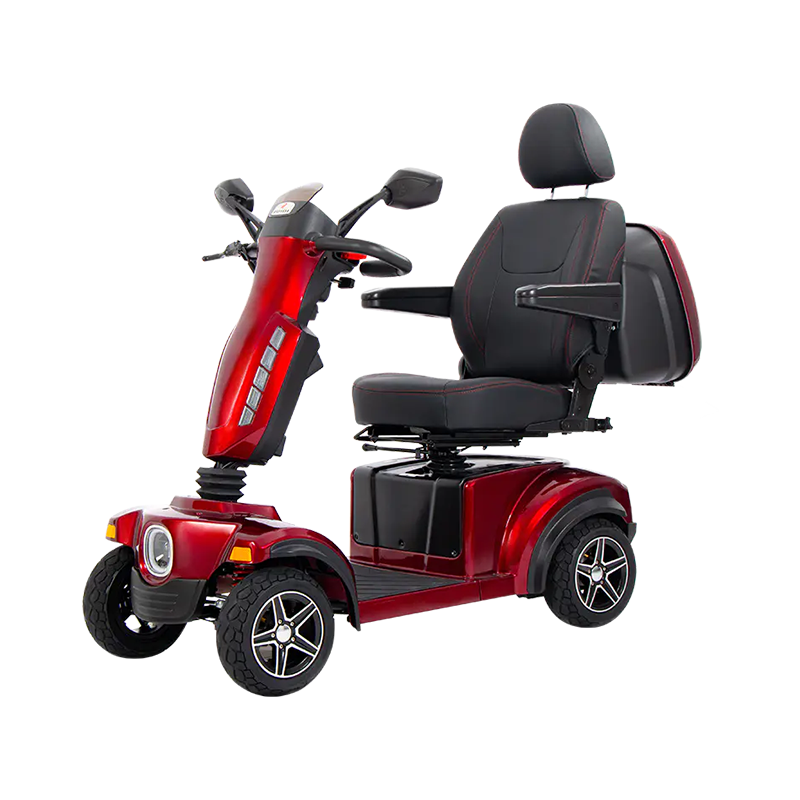 Versatile Compact Mobility Scooter R45SE: Heated Seat, 48Km Range, Urban Freedom
R45SE
The Ruidi R45SE is a compact mobility scooter that combines impressive performance wi... -
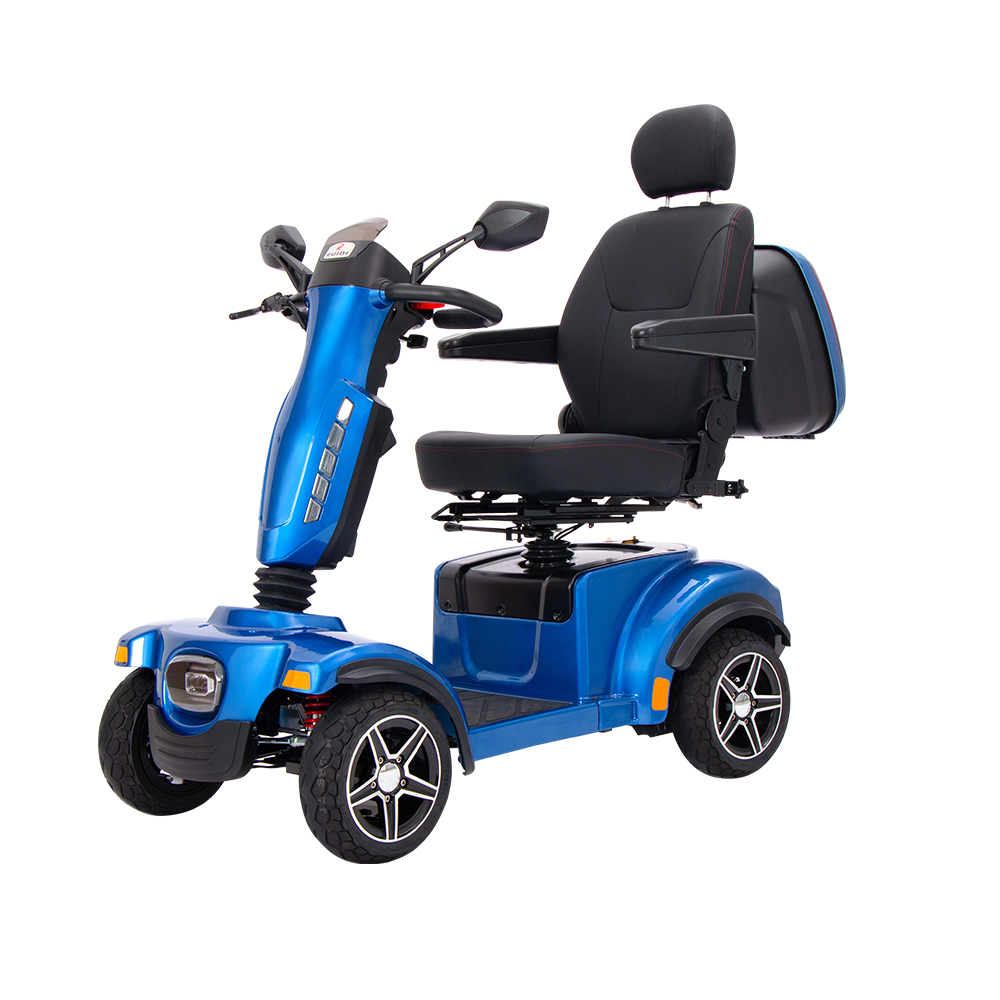 Safe & Comfortable Mobility Scooter R5SE: Thoughtful Travel Companion for The Elderly
R5SE
The Ruidi R5SE Safe & Comfortable Mobility Scooter is meticulously designed for t... -
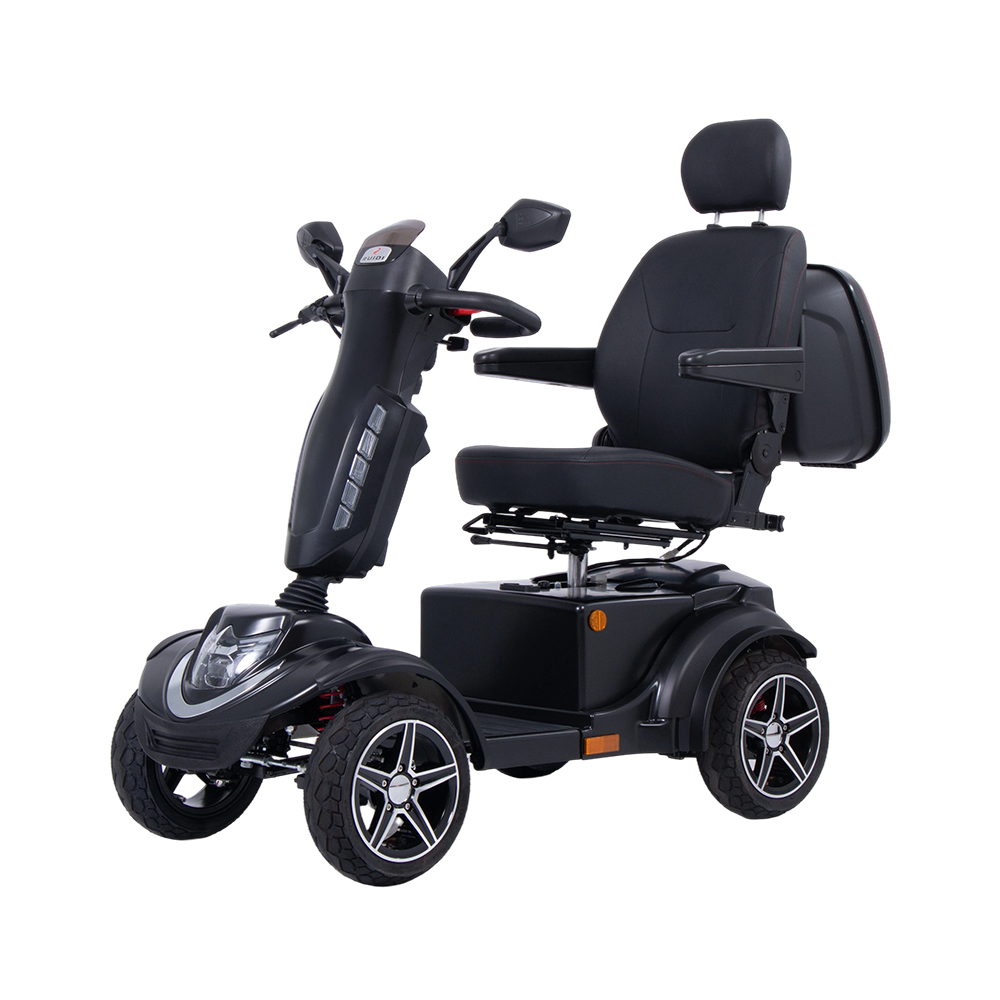 Comfort & Efficient Mobility Scooter R4SE: 65km Range, Heated Seat
R4SE
The R4SE mobility scooter offers an ideal solution for daily travel with its excellen... -
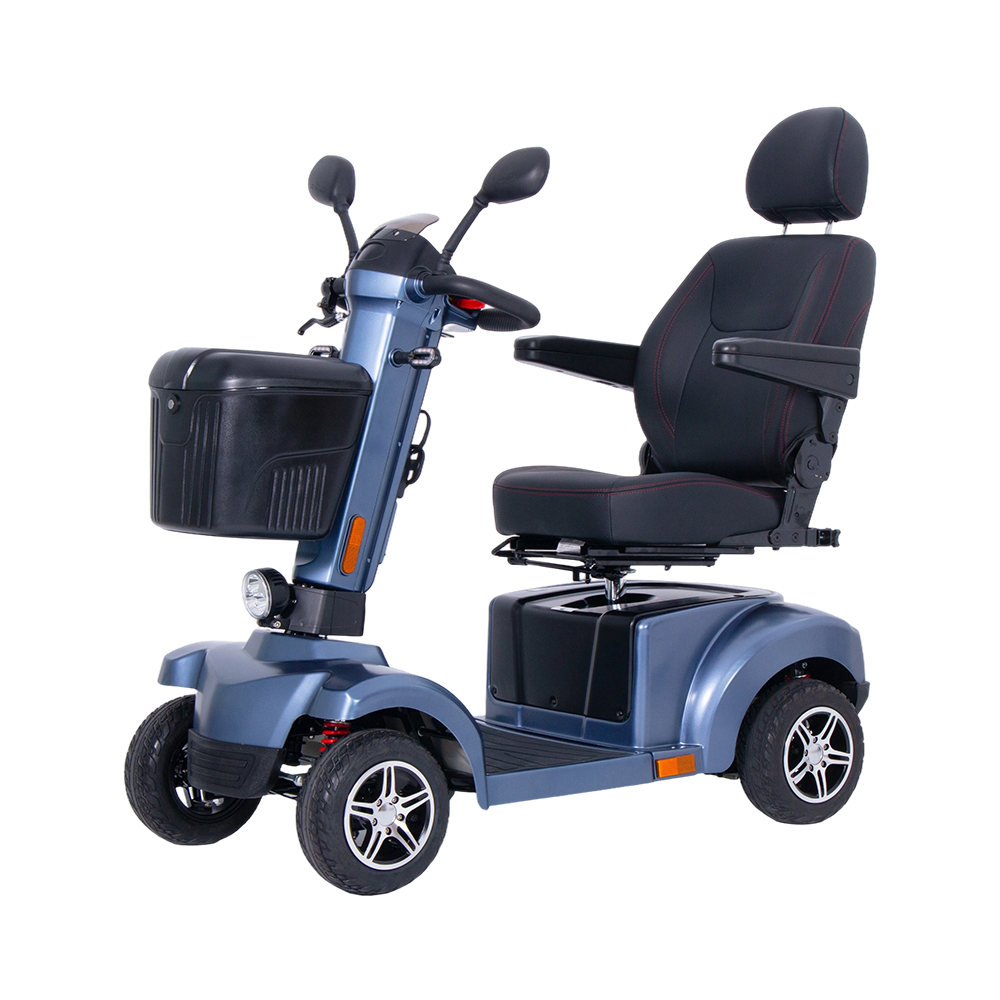 Compact & Agile Mobility Scooter R45SM: Lightweight Design for Efficient Travel
R45SM
Designed for daily travel that prioritizes flexibility and convenience, the R45SM mob... -
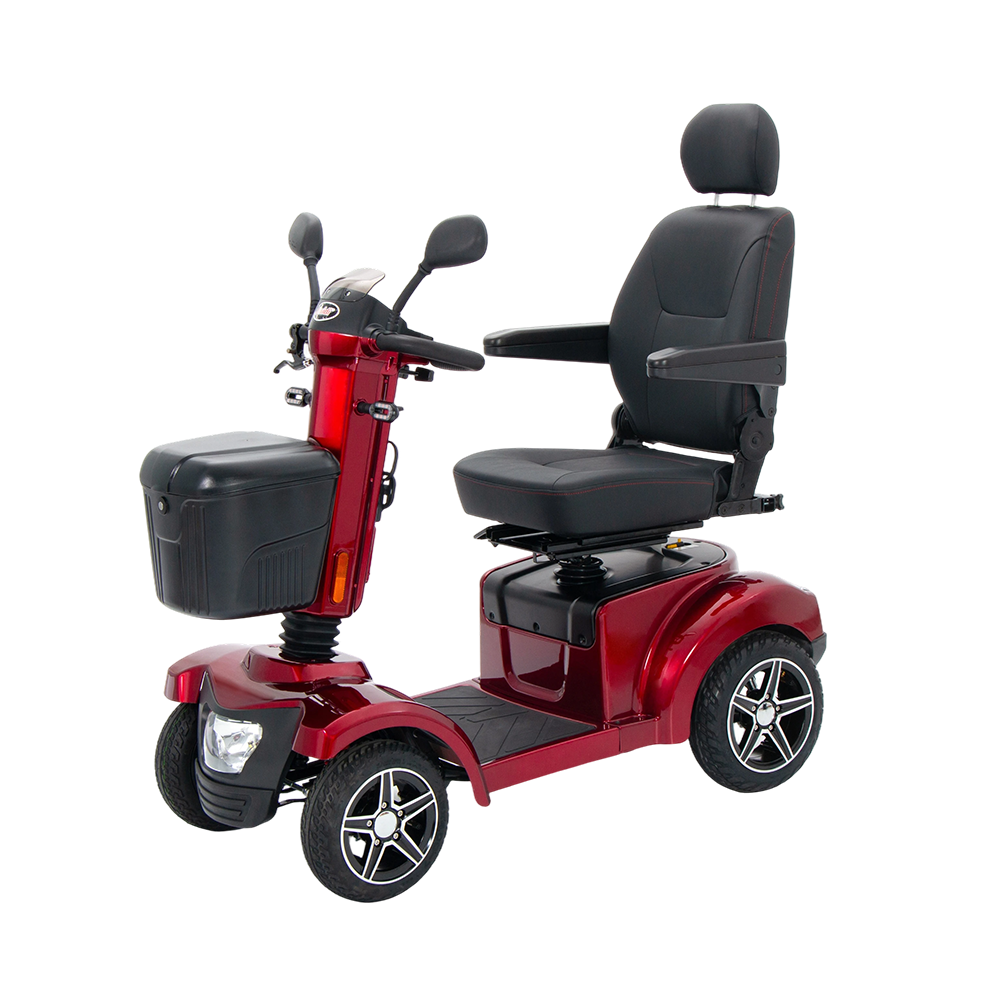 Balanced Performance Mobility Scooter R5SM: Robust Power, Stable Travel
R5SM
The R5SM mobility scooter achieves an excellent balance between power, stability, and...

Small Mobility Scooters
Engineered for high-frequency short trips and easy navigation in tight spaces. Ruidi's Small Mobility Scooter boasts an ultra-compact, lightweight frame and an exceptionally tight turning radius as its core advantages, allowing you to maneuver effortlessly between supermarket aisles and through apartment corridors. It is the ideal and reliable partner for daily errands, neighborhood strolls, and indoor activities.

ABOUT
Zhejiang Ruidi Vehicle Industry Co., Ltd.
Zhejiang Ruidi Vehicle Industry Co., Ltd. is a professional manufacturer engaged in the research, development, and production of Small Mobility Scooters. Our products are widely applied in elderly mobility, sports and leisure, and recreational fields.
The company’s manufacturing base is located in Jinhua Industrial Park, Zhejiang Province, covering an area of approximately 35,000 square meters. The facility is equipped with over 100 sets of advanced production equipment and four efficient production lines, ensuring stable production capacity and reliable product quality.
At present, our products are exported to the United States, Canada, Europe, and Australia, as well as supplied to the Chinese domestic market. Our main product series include mobility scooters for the elderly, electric walking chairs, foldable electric mobility scooters, and enclosed cabin-type electric mobility scooters.
We consistently adhere to a quality-centered management philosophy and are supported by a professional and efficient team. We are committed to providing electric mobility products that are easy to operate, energy-saving, environmentally friendly, low-noise, and pollution-free. We believe these products bring greater comfort, convenience, and freedom to elderly and mobility-impaired users, helping them enjoy a higher quality of life.
View More
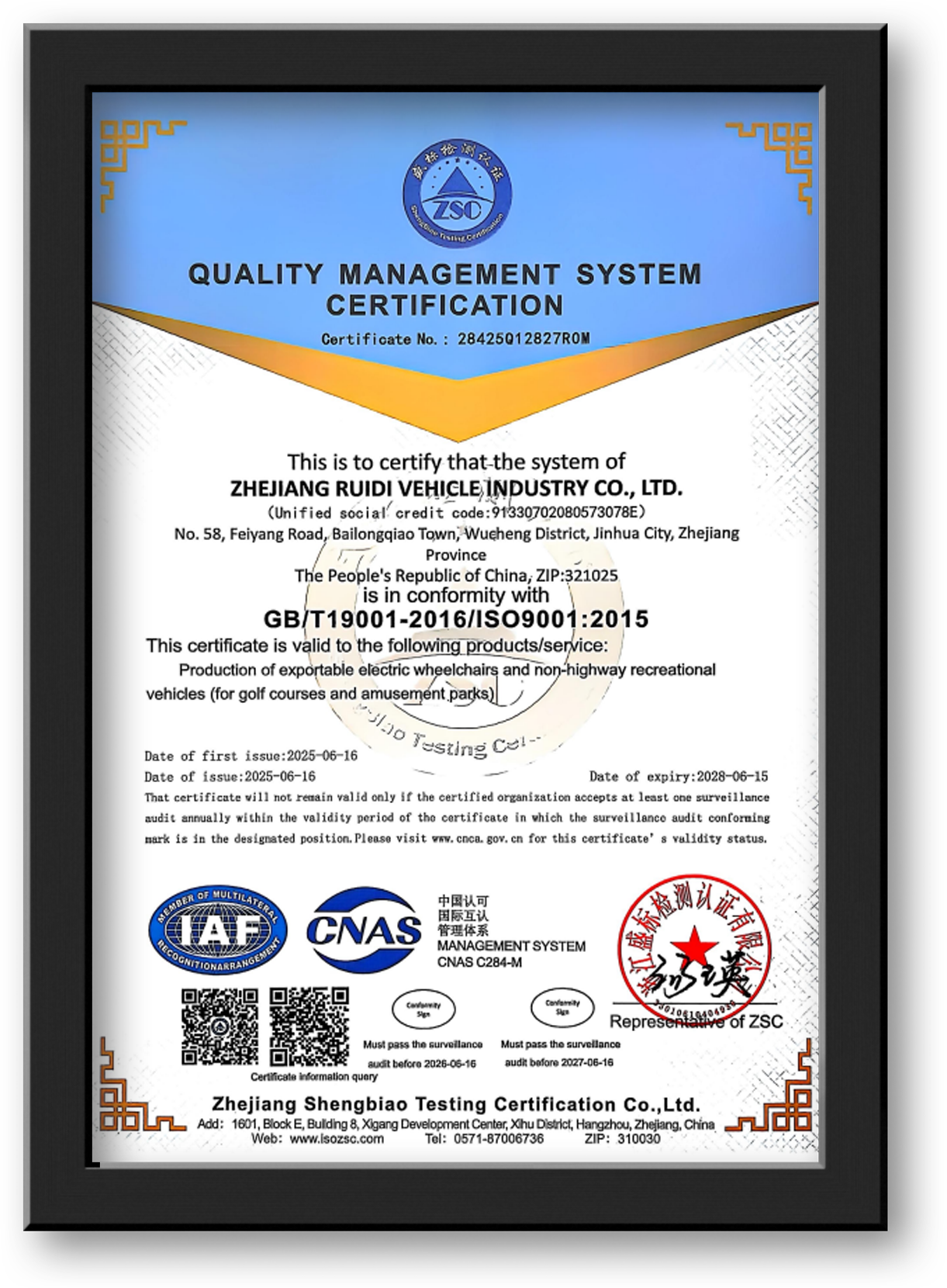
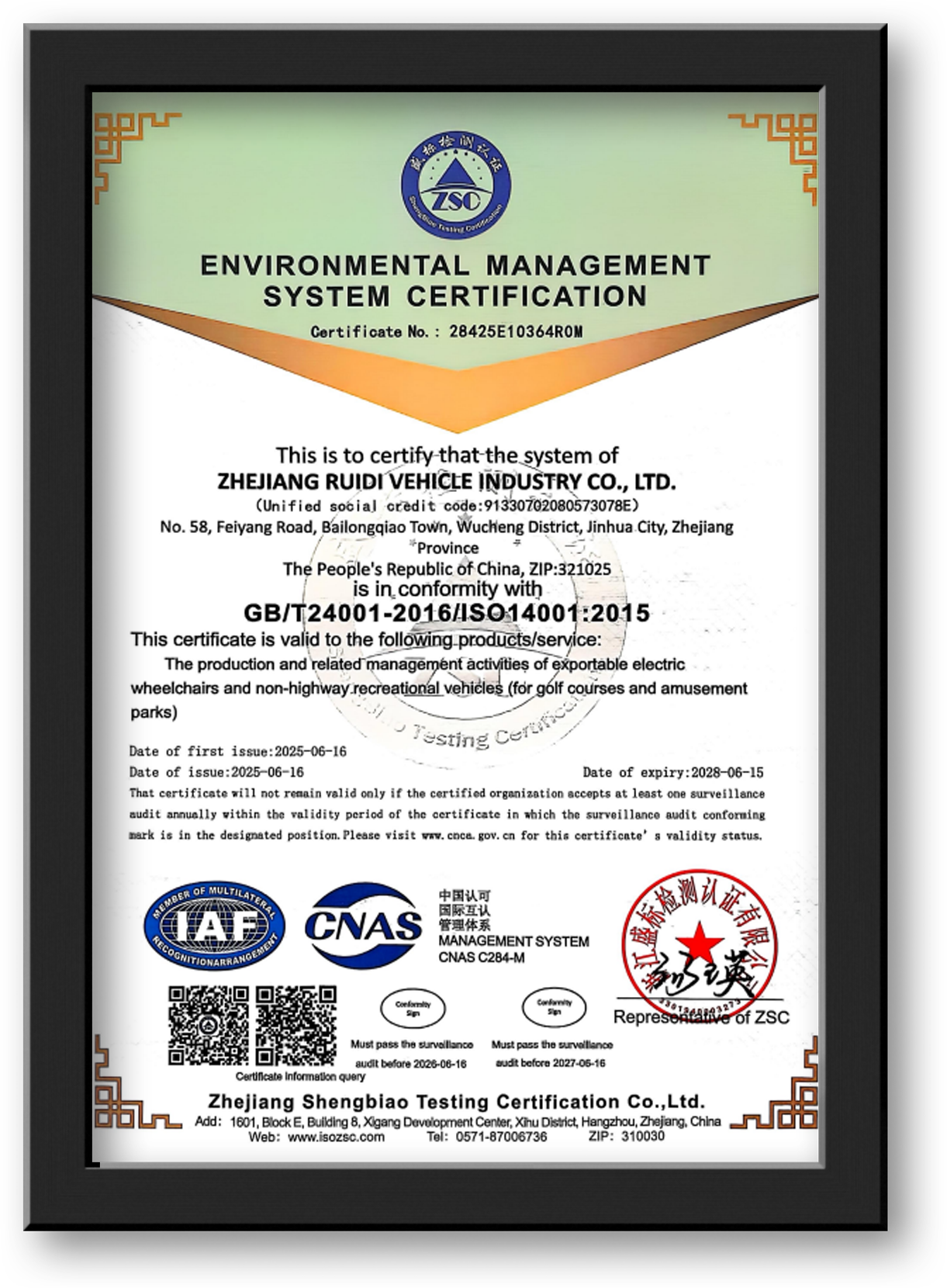
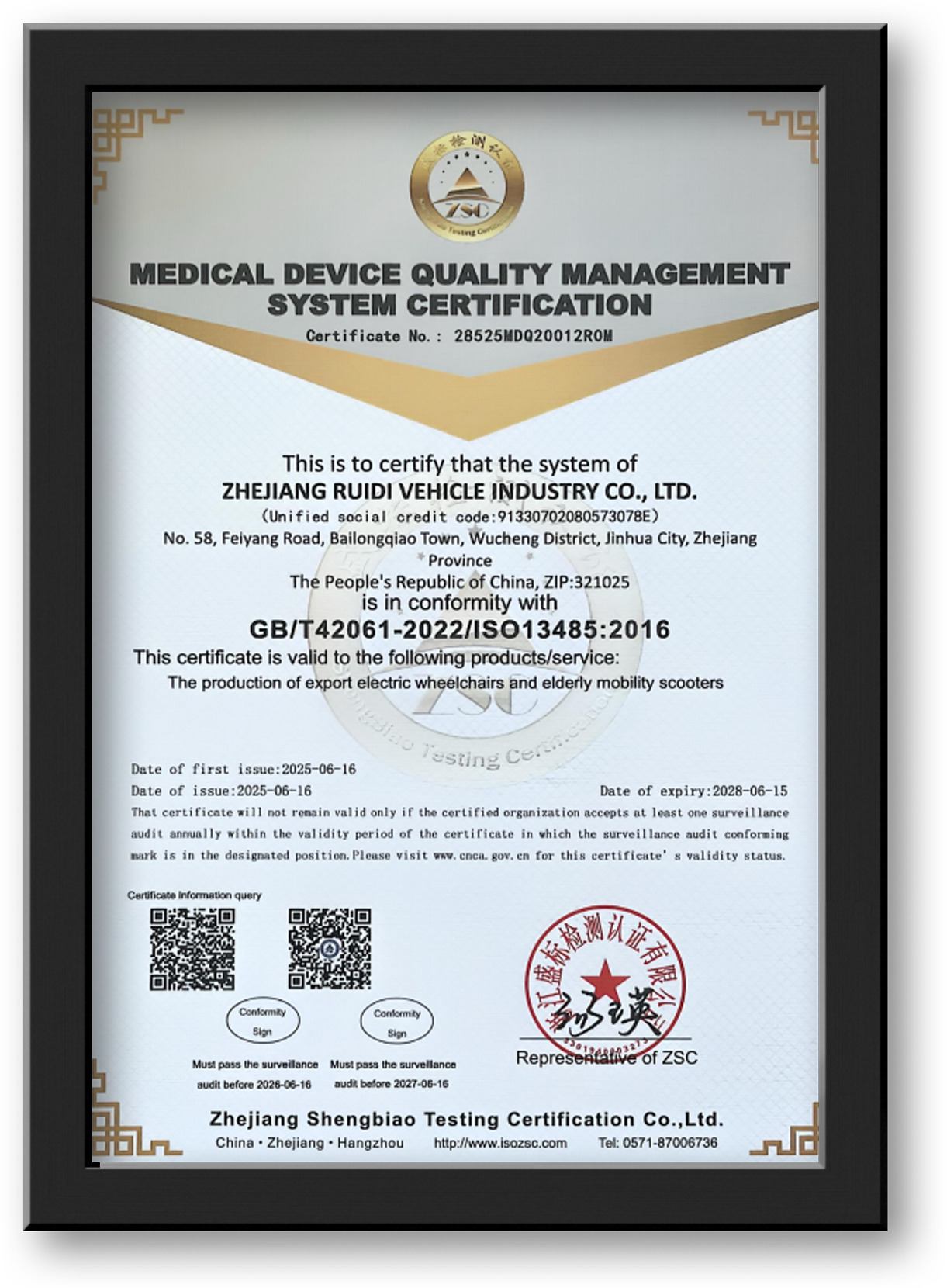
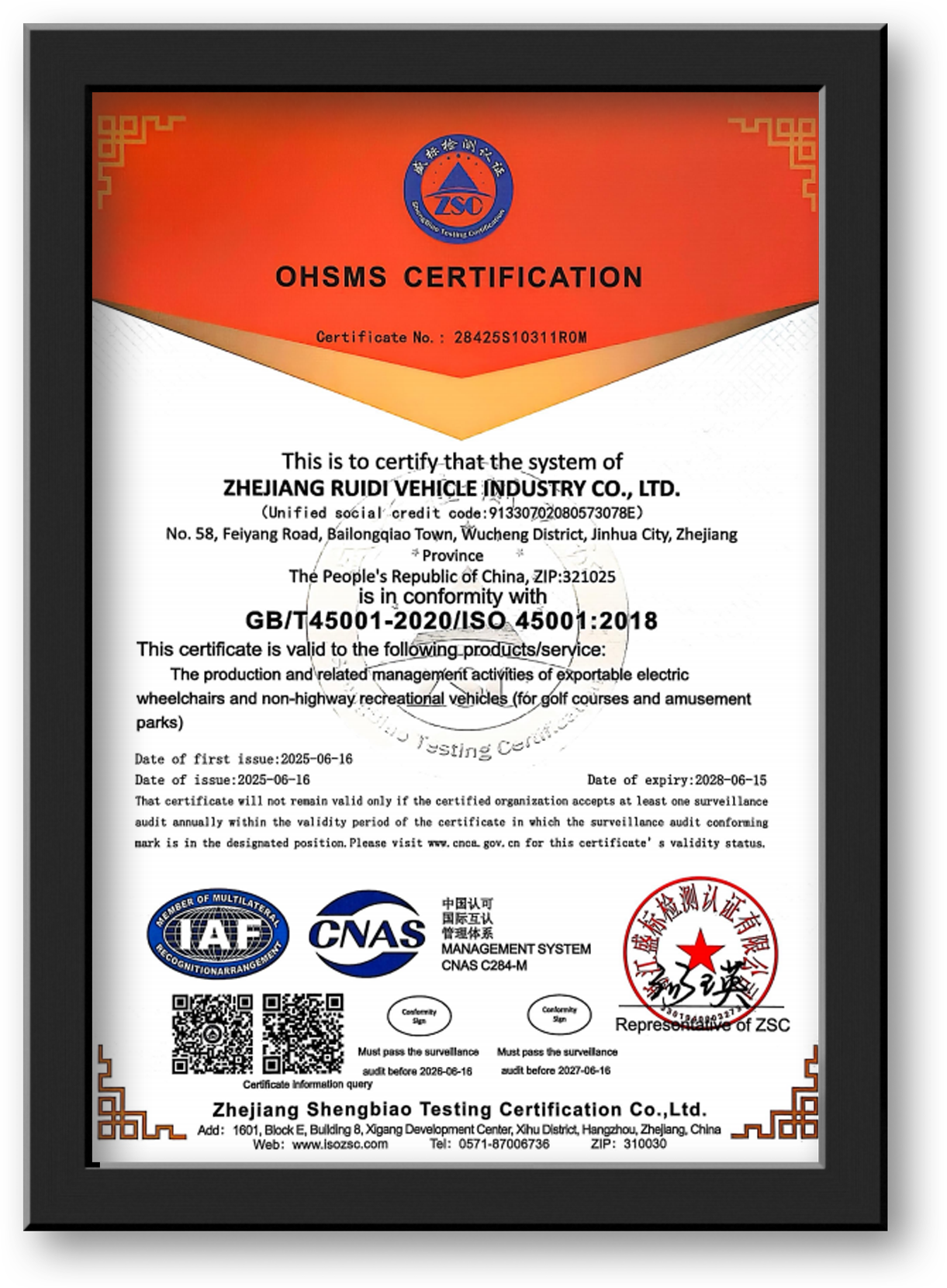
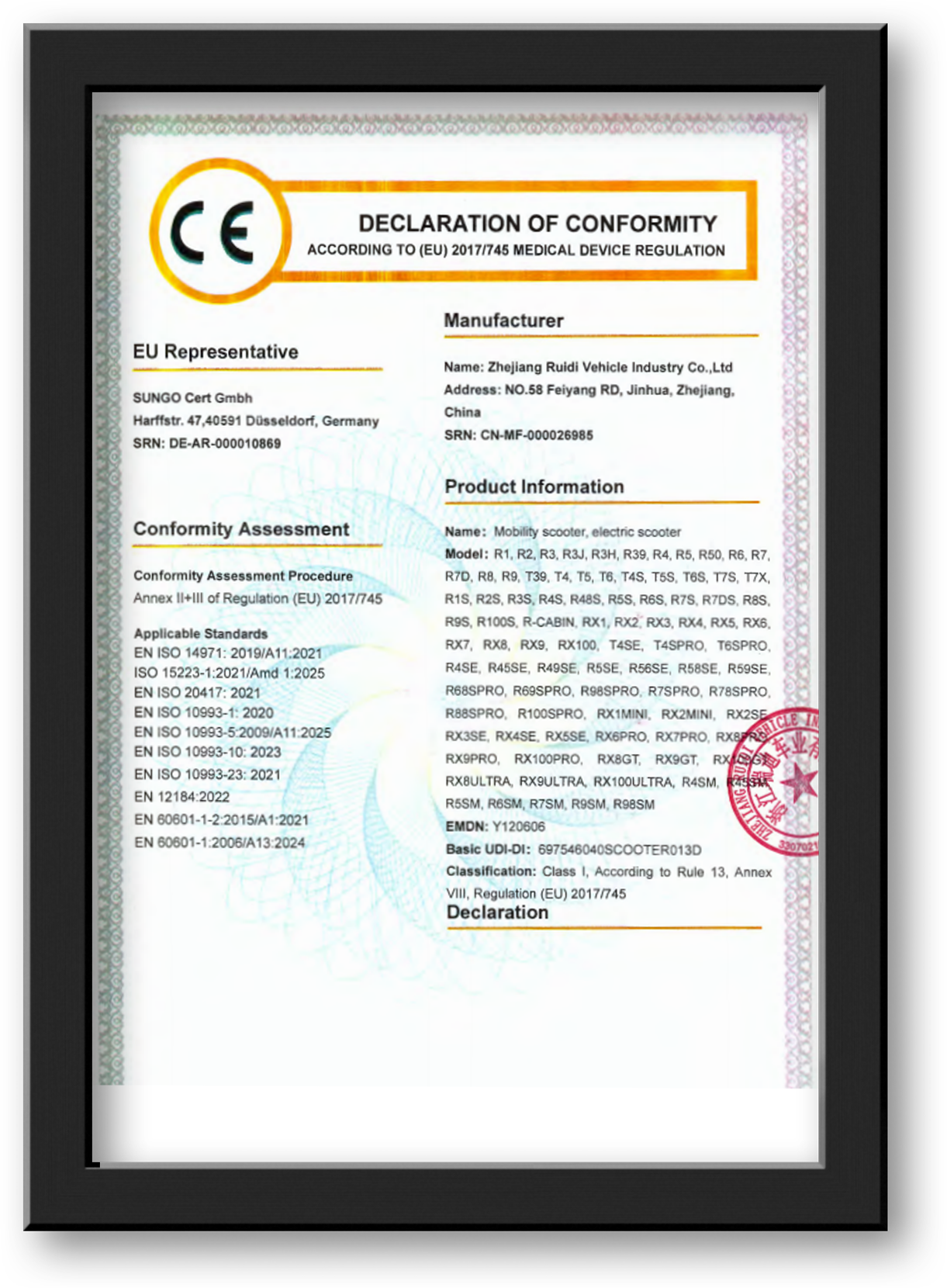
Patent Certificate
Latest Updates
View More-
2026.10.16
Travel Mobility Scooter Design Shifts Toward Outdoor Usability
A Travel Mobility Scooter designed for longer outdoor use faces different requirements from a compact model intended mainly for short local ...Read More -
2026.10.09
Small Lightweight Scooter Balances Portability With Daily Performance
A Small Lightweight Scooter is shaped by a practical balance between easy handling and usable mobility. Reducing dimensions can improve stor...Read More -
2026.10.02
How Do Factories Test Small Portable Mobility Scooters?
Testing Starts With the Folding Frame For small portable mobility scooters, the folding frame is a key part of product design. Users may fol...Read More -
2026.09.25
4 Wheel 2 Seat Mobility Scooter Expands Shared Mobility Options
A second seat changes more than the number of people a mobility scooter can carry. It changes how two people enter, sit, communicate, and mo...Read More
Industry Knowledge
The Small Mobility Scooter is an assistive transportation device designed specifically for individuals with mobility impairments. Thanks to its lightweight nature, agility, and ease of operation, it has found widespread application in fields such as elderly care, post-operative rehabilitation, and independent travel for people with disabilities.
Features of Small Portable Mobility Scooters
The core design philosophy behind small portable mobility scooters is "carry it with you, use it anytime." These models typically feature a modular design, allowing them to be disassembled or folded within minutes for easy storage in a car trunk or for checked baggage transport. They are the preferred choice for users who frequently travel or rely on vehicle transportation.
Key Features:
- Modular Disassembly: The scooter body can typically be broken down into 3 to 5 separate components, with the weight of each individual piece kept under 10 kg, allowing elderly users to handle the process independently.
- Folding Mechanism: Some models feature a "one-touch" folding design that allows the scooter to be folded in under 10 seconds, ready for storage in a vehicle cabin or luggage compartment.
- Removable Battery: The lithium-ion battery can typically be removed and carried separately, offering greater convenience when passing through security checkpoints or traveling by air.
- Wheel Configuration: more models feature either a three-wheel or four-wheel design; three-wheel models offer greater turning agility, while four-wheel models provide good stability.
- Flexible Charging: Supports charging via standard household power outlets, with a typical charging time of 6 to 10 hours.
- Target Users: Elderly individuals who travel frequently, patients undergoing post-operative rehabilitation with travel plans, and users who rely on public transportation or air travel. Users are advised to verify the airline's regulations regarding battery capacity (typically limited to 300Wh or less) prior to travel.
Features of Small Lightweight Scooters
Small lightweight scooters prioritize weight reduction as their primary objective. By utilizing high-strength, lightweight materials—such as aerospace-grade aluminum alloy and carbon fiber—the total weight of the vehicle is reduced to under 20 kg, with some models weighing as little as 15 kg. These models are particularly well-suited for use in confined spaces, such as within private homes, shopping malls, and hospital corridors.
Key Features:
- Ultra-Lightweight Frame: The scooter body is constructed using aerospace-grade aluminum alloy or aluminum-magnesium alloy, offering exceptional strength while maintaining an extremely low weight.
- Compact Dimensions: The body width typically ranges between 55 and 65 cm, allowing the scooter to pass easily through standard doorways (typically 76 cm or wider).
- Small Turning Radius: The turning radius typically falls between 80 and 100 cm, making the scooter highly agile and ideal for maneuvering within tight spaces.
- Ergonomic Seating: Features adjustable seat height and armrest positions to accommodate users of varying body types.
- Low-Floor Design: Facilitates easier mounting and dismounting, making it particularly suitable for users with limited leg strength.
- Target Users: Primarily seniors who spend more of their time indoors, individuals with mild mobility impairments, and users residing in space-constrained environments such as apartments. If the user also requires outdoor usage, it is recommended to select a model equipped with shock-absorption capabilities.
Comparison of Two Product Categories
| Comparison Criteria | Small Portable Mobility Scooters | Small Lightweight Mobility Scooters |
| Total Weight | 20–35 kg (Lighter individual components when disassembled) | 15–22 kg (Lighter overall weight) |
| Total Weight | Supports quick disassembly/folding | Typically non-disassemblable; a few models are foldable |
| Applicable Scenarios | Travel, long-distance trips | Daily indoor use, short trips within the community |
| Applicable Scenarios | 20–40 km | 15–25 km |
| Stability | Higher for 4-wheel models; average for 3-wheel models | Low center of gravity; good stability |
| Turning Agility | Steel frame / Aluminum alloy blend | Aviation-grade aluminum alloy / Carbon fiber |
| Turning Agility | Steel frame / Aluminum alloy blend | Aviation-grade aluminum alloy / Carbon fiber |
| Recommended Users | Users with strong travel needs or frequent outings | Senior users primarily active indoors |
Purchasing Advice
When selecting a small mobility scooter, it is recommended to consider the following factors comprehensively:
- Prioritize Usage Scenarios: If the scooter will be used primarily indoors or within a residential community, prioritize lightweight models; if there is a need for travel or outings, portable folding models are more suitable.
- User Physical Condition: Assess the user's upper-body strength to determine whether they can independently perform disassembly/folding operations or if caregiver assistance is required.
- User Weight & Load Capacity: When purchasing, ensure that the vehicle's rated load capacity exceeds the user's body weight by at least 20% to ensure an adequate safety margin.
- Battery & Range: Select an appropriate battery capacity based on daily travel distances to avoid frequent recharging, which can negatively impact the user experience.
- After-Sales Support: Prioritize brands that offer local repair services and spare parts availability to ensure peace of mind for long-term use.
While both small portable mobility scooters and small lightweight mobility scooters fall under the "small" category, each possesses a distinct core value proposition. The former prioritizes freedom of movement, making it ideal for active users with a wide radius of activity; the latter prioritizes lightness and agility, making it better suited for daily use scenarios centered around the home.
We'd love to hear from you!

QUICK LINKS
PRODUCTS
CONTACT INFORMATION
 No.58 Feiyang Road , Jinhua 321025, Zhejiang, China
 +86-13905796145
 [email protected]
  +86-579-82268015
Small Portable Mobility Scooter Supplier
Copyright © Zhejiang Ruidi Vehicle Industry Co., Ltd. Rights Reserved.