English
 中文简体
中文简体 Español
 Deutsch
-
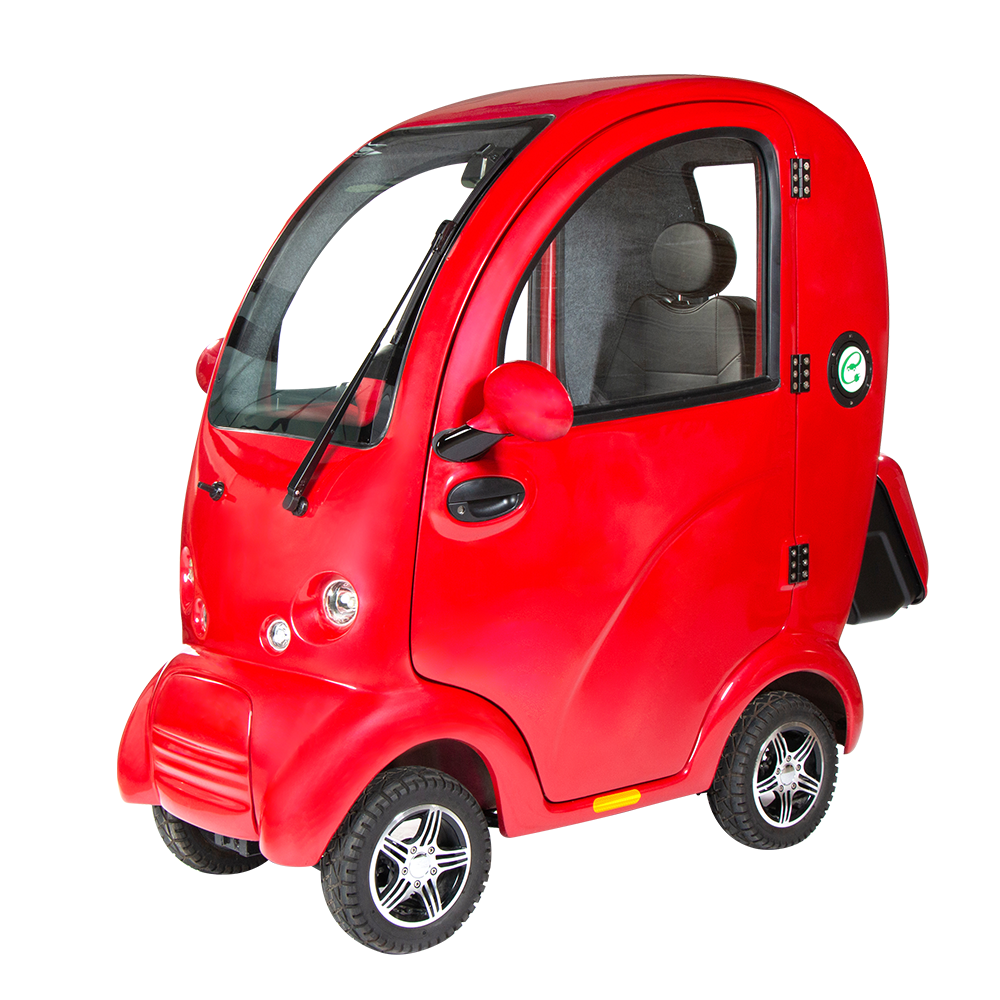 All-Weather Mobility Scooter CABIN X9: Enclosed Cabin, Mobile Sanctuary
CABIN X9
The CABIN X9 redefines comfort standards in personal mobility, creating a moving priv...

Fully enclosed Mobility Scooters
The Ruidi Fully Enclosed Mobility Scooter is your moving fortress on the road. It features a high-strength steel frame and a sturdy unitary body, ensuring structural stability and occupant safety. For cold climates, we've specially integrated an innovative dual heating system for both the seat and handlebars, providing instant warmth to your hands and body, transforming winter travel into a comfortably warm experience. Additionally, the vehicle comes with a high-definition rearview camera linked to a built-in display, offering a clear view behind you when reversing. This significantly reduces blind spots and makes parking and maneuvering in tight spaces much safer and easier. Combined with the all-weather protection of the fully enclosed cabin, this scooter is more than just a vehicle; it's a premium mobility solution that blends structural security, thoughtful comfort, and intelligent safety features, empowering you to travel with confidence, comfort, and safety in any season.

ABOUT
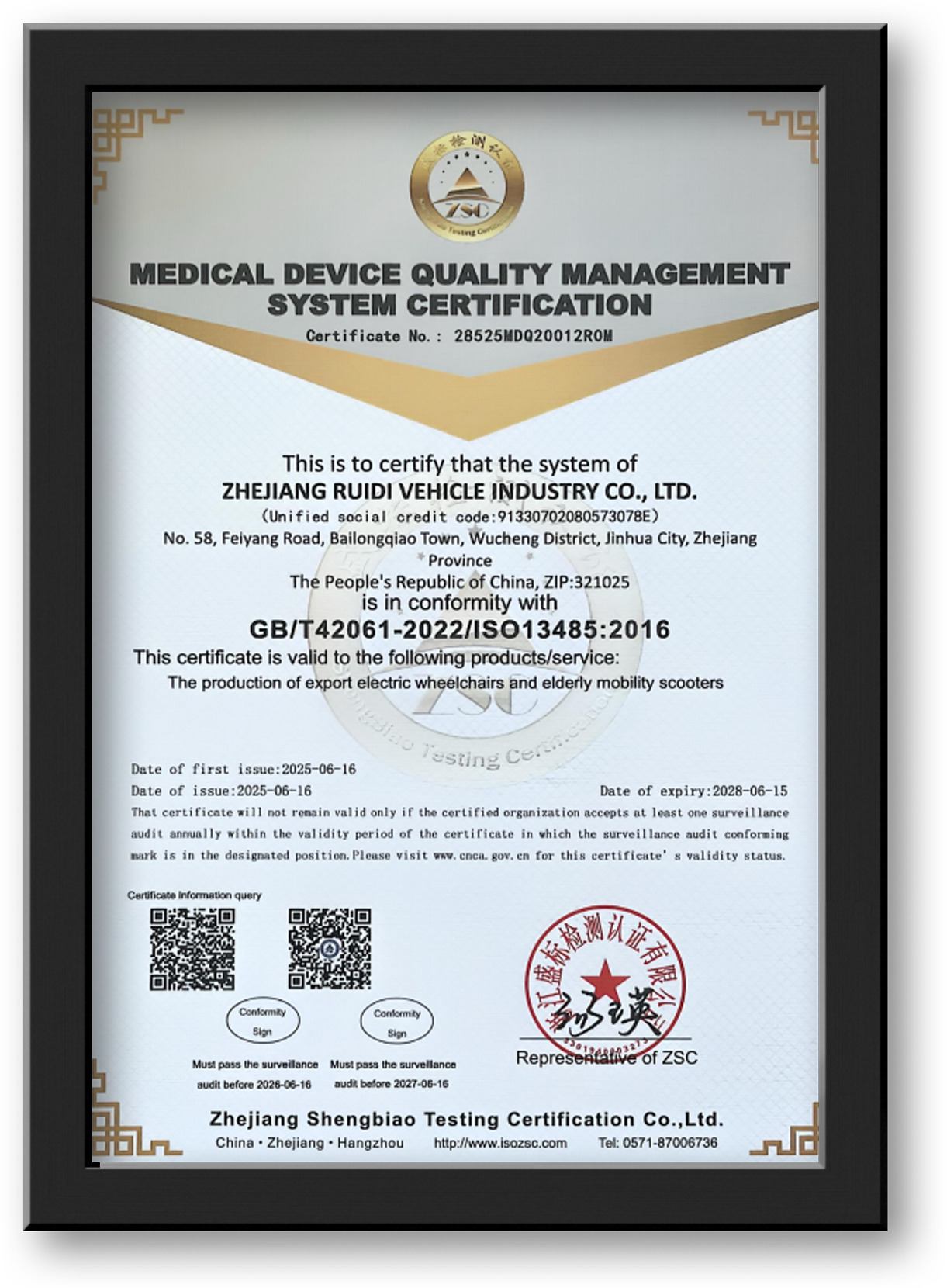
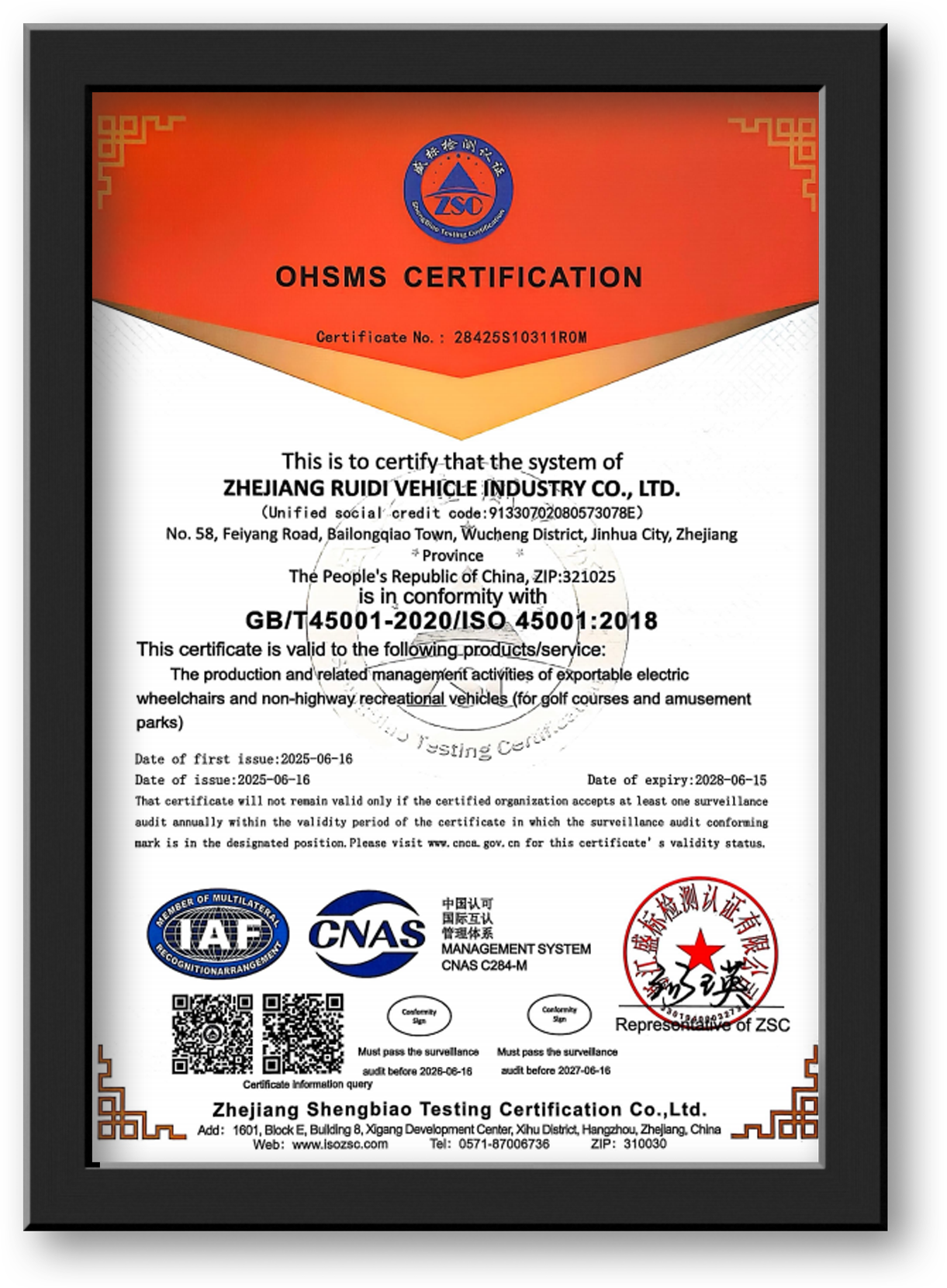
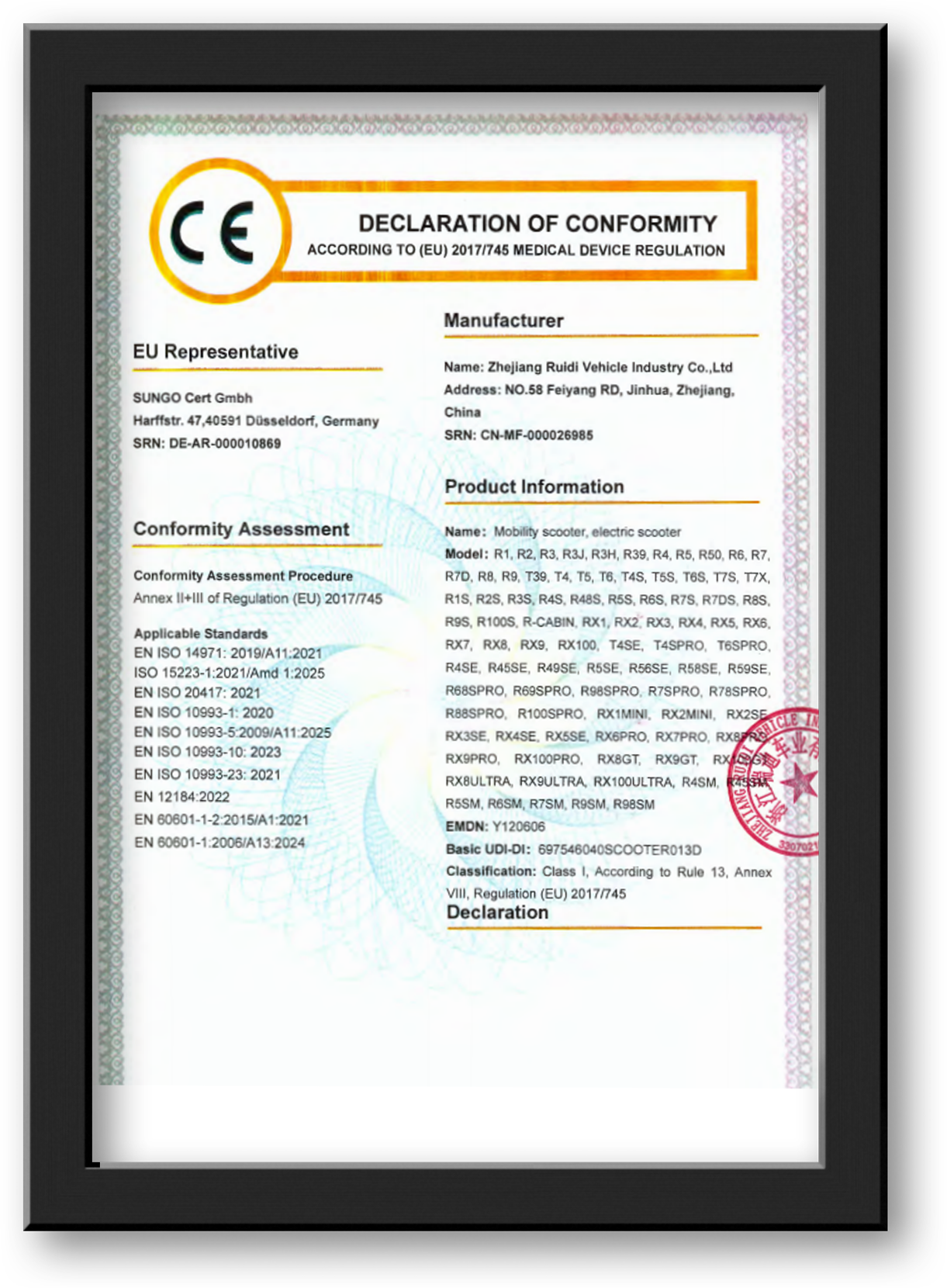
Zhejiang Ruidi Vehicle Industry Co., Ltd.
Zhejiang Ruidi Vehicle Industry Co., Ltd. is a professional manufacturer engaged in the research, development, and production of Fully enclosed Mobility Scooters. Our products are widely applied in elderly mobility, sports and leisure, and recreational fields.
The company’s manufacturing base is located in Jinhua Industrial Park, Zhejiang Province, covering an area of approximately 35,000 square meters. The facility is equipped with over 100 sets of advanced production equipment and four efficient production lines, ensuring stable production capacity and reliable product quality.
At present, our products are exported to the United States, Canada, Europe, and Australia, as well as supplied to the Chinese domestic market. Our main product series include mobility scooters for the elderly, electric walking chairs, foldable electric mobility scooters, and enclosed cabin-type electric mobility scooters.
We consistently adhere to a quality-centered management philosophy and are supported by a professional and efficient team. We are committed to providing electric mobility products that are easy to operate, energy-saving, environmentally friendly, low-noise, and pollution-free. We believe these products bring greater comfort, convenience, and freedom to elderly and mobility-impaired users, helping them enjoy a higher quality of life.
View More
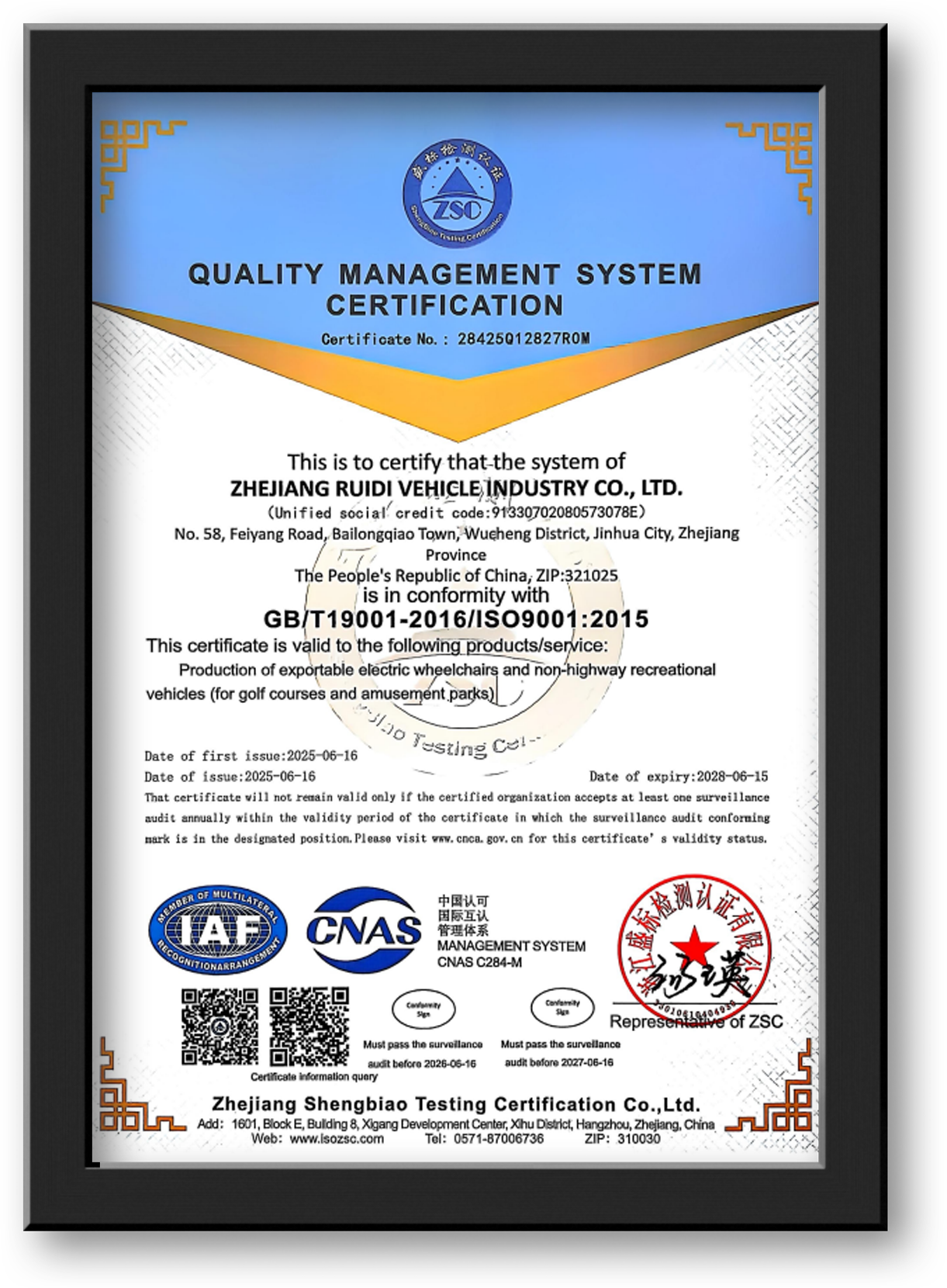
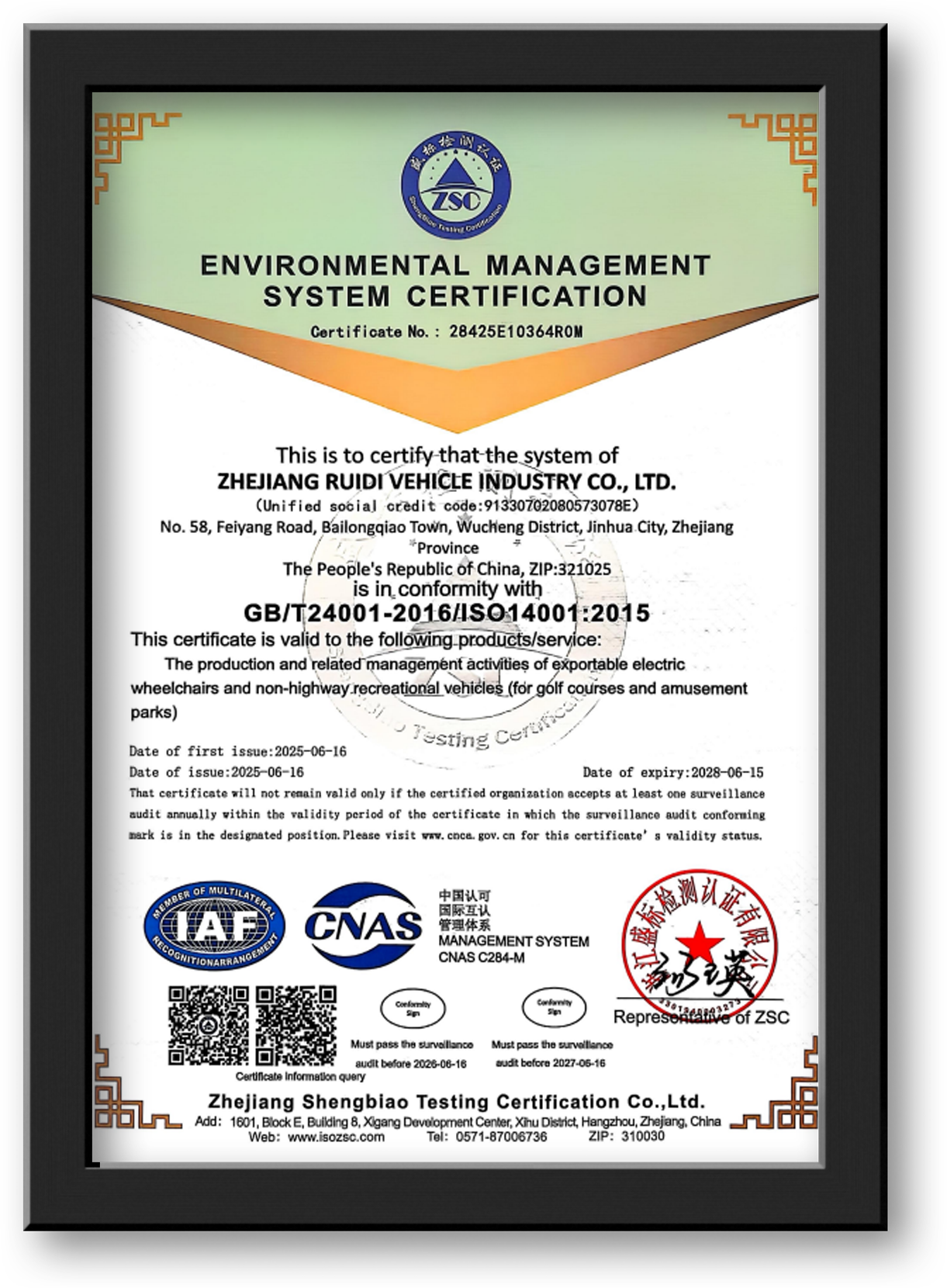
Patent Certificate
Latest Updates
View More-
2026.10.16
Travel Mobility Scooter Design Shifts Toward Outdoor Usability
A Travel Mobility Scooter designed for longer outdoor use faces different requirements from a compact model intended mainly for short local ...Read More -
2026.10.09
Small Lightweight Scooter Balances Portability With Daily Performance
A Small Lightweight Scooter is shaped by a practical balance between easy handling and usable mobility. Reducing dimensions can improve stor...Read More -
2026.10.02
How Do Factories Test Small Portable Mobility Scooters?
Testing Starts With the Folding Frame For small portable mobility scooters, the folding frame is a key part of product design. Users may fol...Read More -
2026.09.25
4 Wheel 2 Seat Mobility Scooter Expands Shared Mobility Options
A second seat changes more than the number of people a mobility scooter can carry. It changes how two people enter, sit, communicate, and mo...Read More
Industry Knowledge
The Fully Enclosed Mobility Scooter represents a structural upgrade in personal mobility devices regarding their "environmental isolation capabilities." Unlike traditional open-style scooters—which prioritize ventilation and lightweight design—this category introduces a closed cabin structure that partially or completely shields the user from the external environment (wind, rain, dust, low temperatures, and noise). This transformation effectively evolves the mobility aid from an "open mobile platform" into a "micro-mobility cabin system."
Mobility Scooters with Suspension: An Engineering Approach Centered on Chassis Comfort
From a structural engineering perspective, the Mobility Scooter with Suspension serves as the foundational support unit for the fully enclosed system. Since the enclosed cabin increases the vehicle's overall weight and raises its center of gravity, the importance of its suspension system is significantly heightened.
1. Functional Redefinition of the Suspension System
In traditional open-style mobility scooters, the suspension primarily serves the purpose of "basic shock absorption." However, within a fully enclosed system, its functions expand to include:
- Maintaining the structural stability of the enclosed cabin
- Reducing the transmission of vibrations within the cabin interior
- Enhancing riding posture comfort
- Mitigating driver fatigue during prolonged operation
Consequently, the suspension system is no longer merely an auxiliary module; it has become a core subsystem that fundamentally shapes the overall vehicle experience.
2. Independent Suspension and Multi-Axis Coordinated Design
Designs featuring suspension structures typically incorporate the following elements:
- Front independent suspension system (to enhance steering stability)
- Rear composite shock absorption structure (to bear the drive load)
- Damping-adjustable shock absorbers (to adapt to varying road surfaces)
In the context of an enclosed cabin, this multi-axis coordinated design is particularly critical, as even the slightest vibration can trigger an "amplification effect" within the cabin interior, thereby negatively impacting the user experience.
3. Center of Gravity Control and Stability Challenges
Given that enclosed structures typically result in increased vehicle height, the system must effectively address the following issues:
- Increased risk of lateral rollover
- Amplified centrifugal forces during cornering
- Reduced stability when traversing inclines or ramps
Therefore, the suspension system is tasked with more than just ensuring comfort; it must also actively contribute to dynamic stability control—for instance, by utilizing damping adjustments to achieve an "active stabilization effect."
Electric Cabin Scooter: The Structural Evolution of Enclosed Mobility Systems
The Electric Cabin Scooter represents the core form of the Fully Enclosed Mobility Scooter; in essence, it is a "micro-electric mobility pod" that emphasizes spatial enclosure and functional integration.
1. Cabin Structure and Environmental Isolation Capabilities
The defining characteristic of the Electric Cabin Scooter is its complete cabin design, which includes:
- A fully enclosed body shell
- A front windshield system
- Door-based or sliding entry/exit mechanisms
- Basic sealing designed to protect against rain and dust
This structure endows the vehicle with environmental adaptability akin to that of a "micro-car," while still retaining the low-speed attributes typical of a standard mobility scooter.
2. Energy Systems and Spatial Integration
Since the cabin structure occupies a significant amount of space, the battery and propulsion systems require a highly integrated design:
- Chassis-embedded battery layout
- Rear axle structure with an integrated drive motor
- Low-power-consumption design for air conditioning or ventilation systems (in select high-end models)
Energy management focuses primarily on:
- Controlling heat accumulation within the enclosed environment
- Maximizing driving range while ensuring cabin comfort
- Balancing the energy consumption of auxiliary systems (lighting, ventilation, entertainment)
3. Driving and Interaction System Design
Electric Cabin Scooters typically feature an interaction logic that more closely resembles that of an automobile:
- Steering wheel or joystick-based controls
- Digital instrument display systems
- Reversing aids and environmental awareness modules (in select models)
The objective is to minimize the learning curve for users transitioning from an "open-style mobility scooter" to an "enclosed-cabin mobility device."
Structural Comparison: Functional Division Between Suspension Systems and Cabin Systems
| Dimension | Mobility Scooter With Suspension | Electric Cabin Scooter |
| Core Focus | Chassis Comfort and Stability | Cabin Enclosure and Environmental Isolation |
| Technical Emphasis | Suspension and Shock Absorption Systems | Cabin Structure and Sealing Systems |
| User Experience | Enhanced Ride Comfort | Protection from Climate and Environment |
| Impact on Weight | Moderate | Higher |
| Impact on Energy Consumption | Low | Higher (due to auxiliary systems) |
The relationship between the two is not one of mutual exclusion or substitution, but rather one of hierarchical layering: the suspension system provides the "dynamic foundation," while the cabin system establishes the "environmental boundary."
Systems Engineering Challenges: The Ripple Effects of Enclosed Structures
Designing a Fully Enclosed Mobility Scooter involves far more than simply attaching an outer shell; it triggers a series of systemic changes across the entire vehicle.
1. Thermal Management Challenges
An enclosed cabin leads to:
- Accelerated heat accumulation
- Restricted internal airflow
- Increased thermal load on the motor and battery
Therefore, it is essential to incorporate:
- Passive ventilation structures
- Small-scale fan circulation systems
- Thermal insulation materials
2. Weight and Energy Consumption Coupling
The cabin structure introduces additional weight, resulting in:
- Reduced acceleration performance
- Increased battery consumption
- Extended braking distances
The system must compensate for these factors through power optimization algorithms.
3. Visibility and Safety Issues
An enclosed cabin can compromise:
- Situational awareness of the surrounding environment
- Efficiency of visual judgment during steering maneuvers
Consequently, the design typically incorporates:
- Large-area windshields
- Optimized side-window structures
- Reversing assistance systems
Evolution of Application Scenarios
The emergence of the Fully Enclosed Mobility Scooter has propelled personal mobility devices into more complex operating environments:
1. All-Weather Urban Commuting
Enabling stable operation in conditions involving:
- Rain
- Cold weather
- Strong winds
2. Medical and Rehabilitation Support
The enclosed structure offers:
- Enhanced privacy
- A more stable internal temperature environment
- A safer experience for long-term use
3. Semi-Outdoor Functional Mobility
Suitable for use within:
- Large campuses or complexes
- Healthcare facilities
- Gated communities
The Fully Enclosed Mobility Scooter represents a paradigm shift in personal mobility devices—transitioning from "open-air tools for movement" to "enclosed micro-transportation pods." Within this ecosystem:
- Mobility Scooters with Suspension form the foundation for chassis comfort and stability
- Electric Cabin Scooters define the superstructure that provides an enclosed space and environmental isolation
Together, these elements drive the evolution of mobility scooters from mere "functional transport tools" into "all-weather, semi-automotive, and environmentally adaptive mobility systems," endowing them with enhanced independent operational capabilities and good user protection within complex urban environments.
We'd love to hear from you!

QUICK LINKS
PRODUCTS
CONTACT INFORMATION
 No.58 Feiyang Road , Jinhua 321025, Zhejiang, China
 +86-13905796145
 [email protected]
  +86-579-82268015
OEM/ODM Mobility Scooter With Suspension
Copyright © Zhejiang Ruidi Vehicle Industry Co., Ltd. Rights Reserved.