

 English
 中文简体
中文简体 Español
 Deutsch
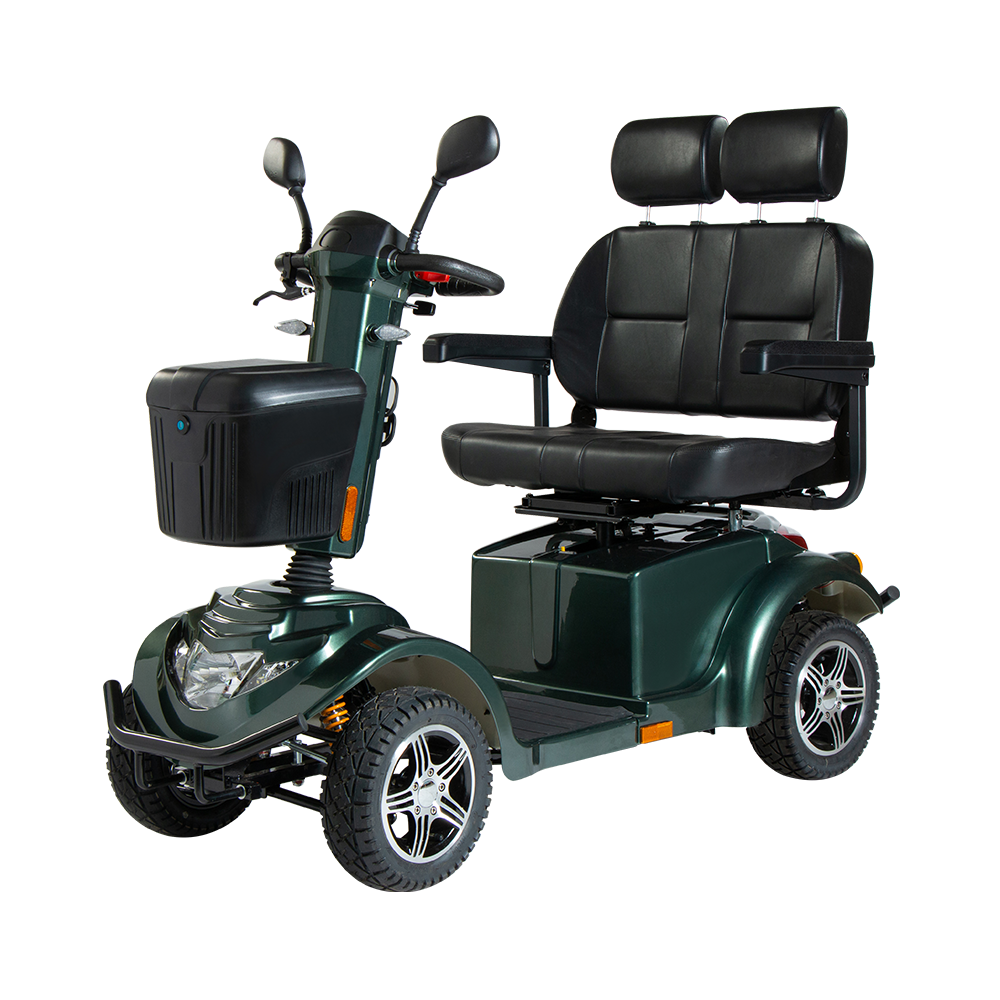
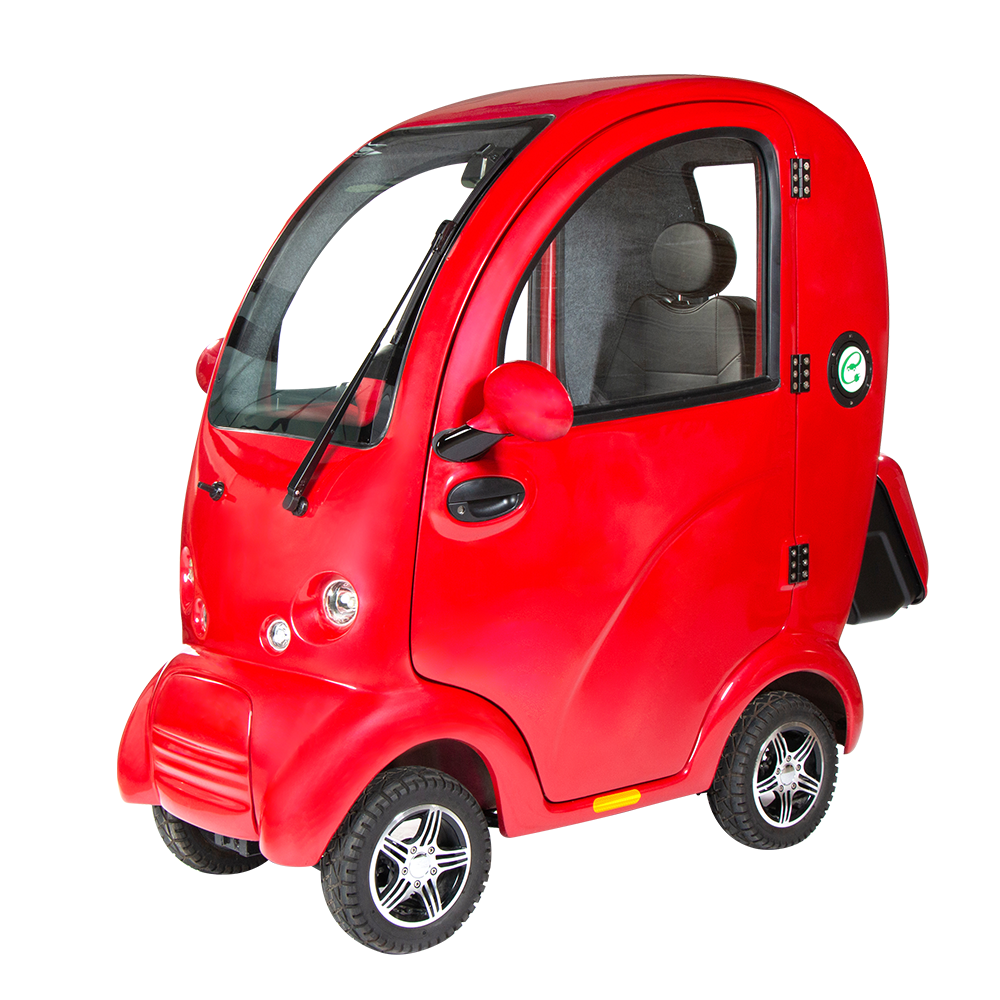
A Small Lightweight Scooter is shaped by a practical balance between easy handling and usable mobility. Reducing dimensions can improve storage and maneuverability, but the vehicle still needs enough battery capacity, motor output, seating space, and ground clearance for its intended environment. This balance is becoming more important as manufacturers develop compact models for urban travel, shopping areas, community routes, and everyday outdoor use.
Compact Design Starts With the Intended Route
Not every compact scooter has the same purpose. Some prioritize narrow turning spaces and shorter trips, while others use a larger battery or stronger motor within a compact chassis.
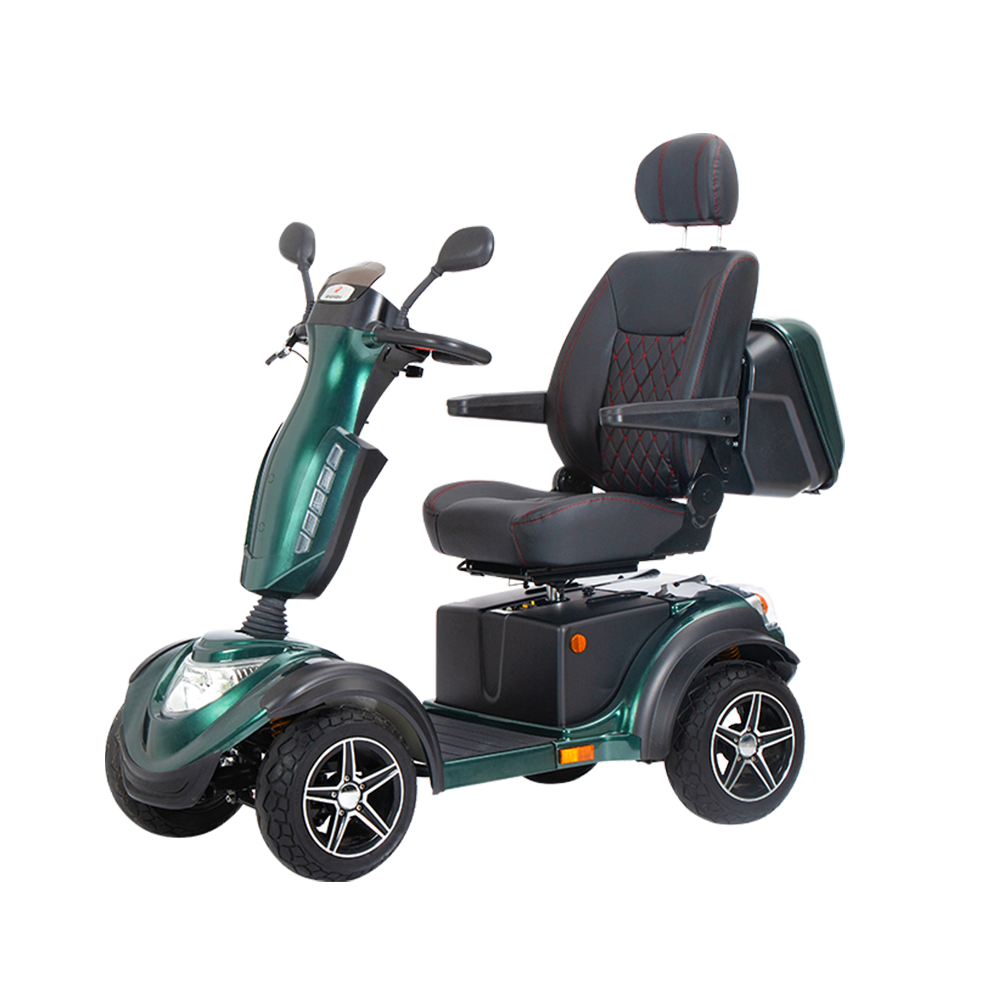
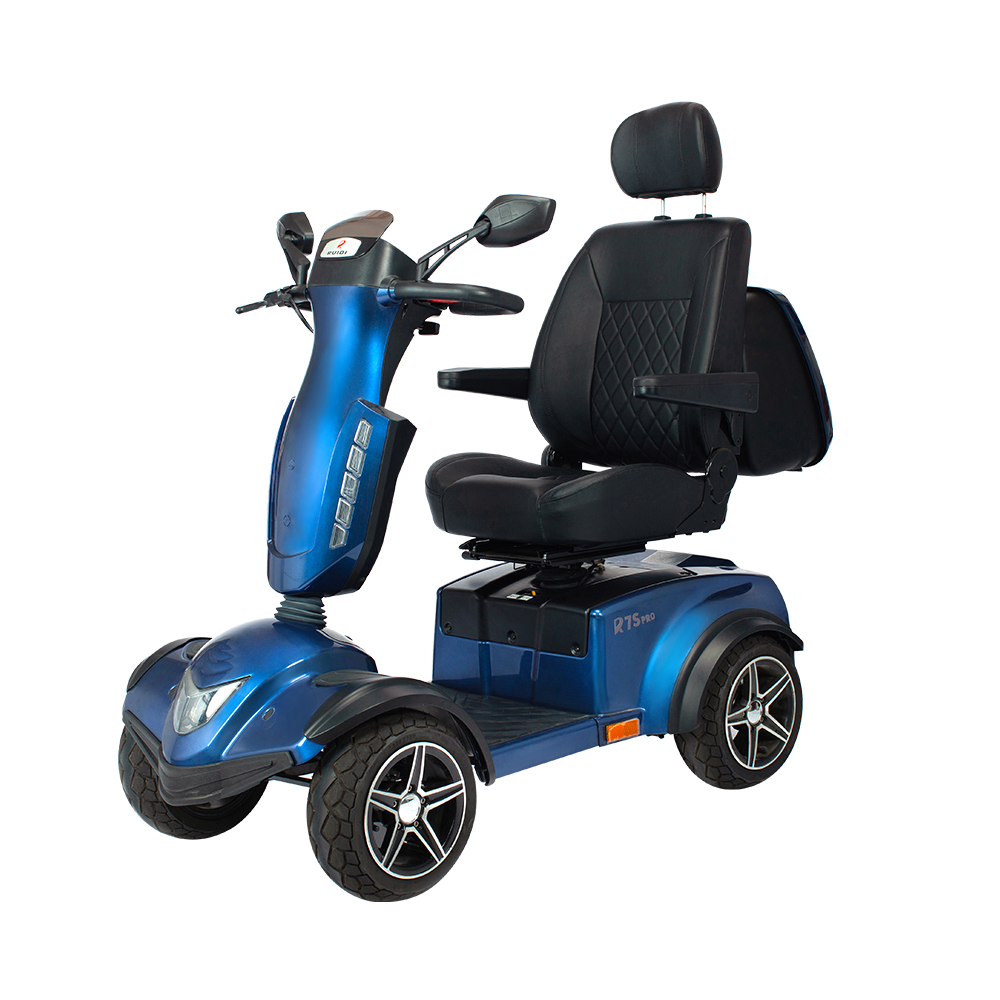
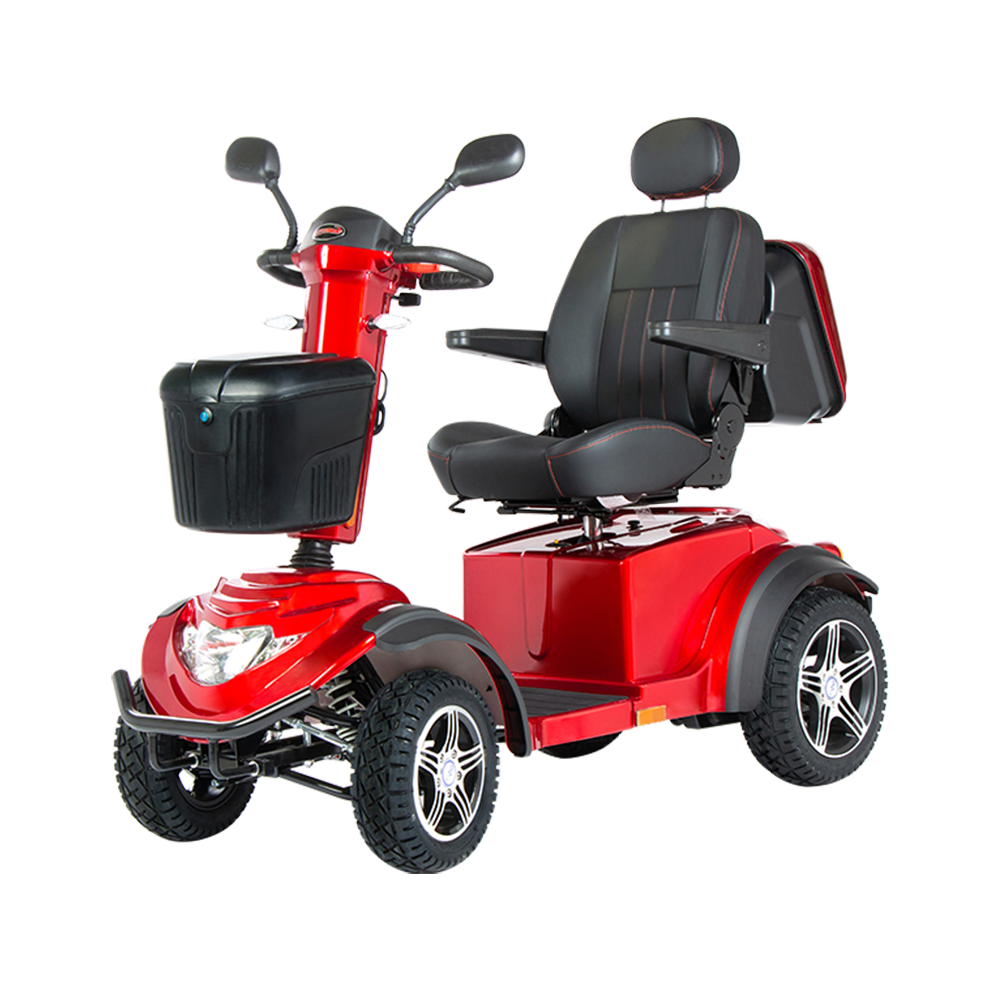
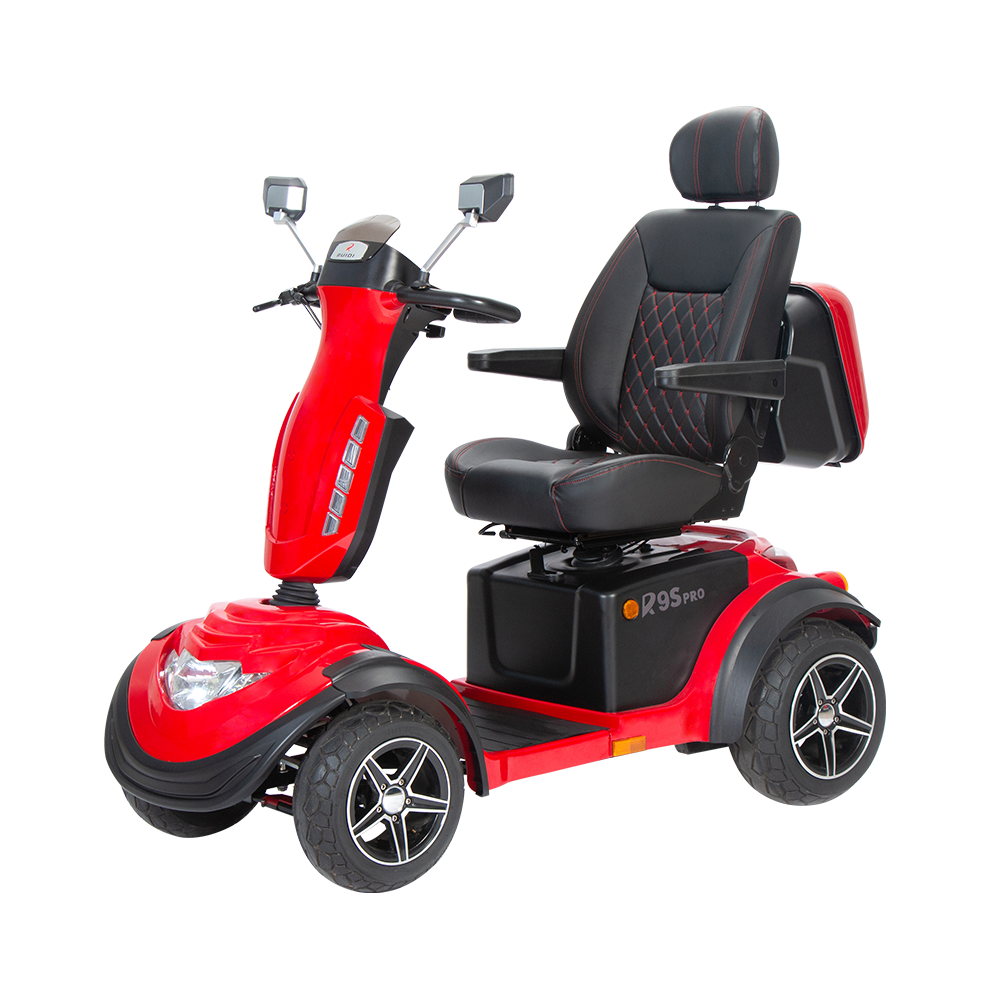
A Small Lightweight Scooter therefore needs to be developed around its expected route rather than a simple target for mini size. Ruidi's small-scooter range includes models with different dimensions, motor ratings, battery combinations, wheel sizes, and load capacities, showing how compact platforms can be configured for different daily requirements.
Battery Capacity Changes the Weight Balance
Battery packs are among the components that affect total vehicle weight. Increasing capacity can extend travel distance, but additional battery mass also changes the chassis and overall handling.
For a Small Lightweight Scooter, battery selection is consequently tied to the use case. Ruidi's R45SE uses two 12V 55Ah batteries, while the R4SE uses two 12V 75Ah batteries and has a larger chassis and higher weight without batteries. These differences show how capacity, range, size, and weight are connected.
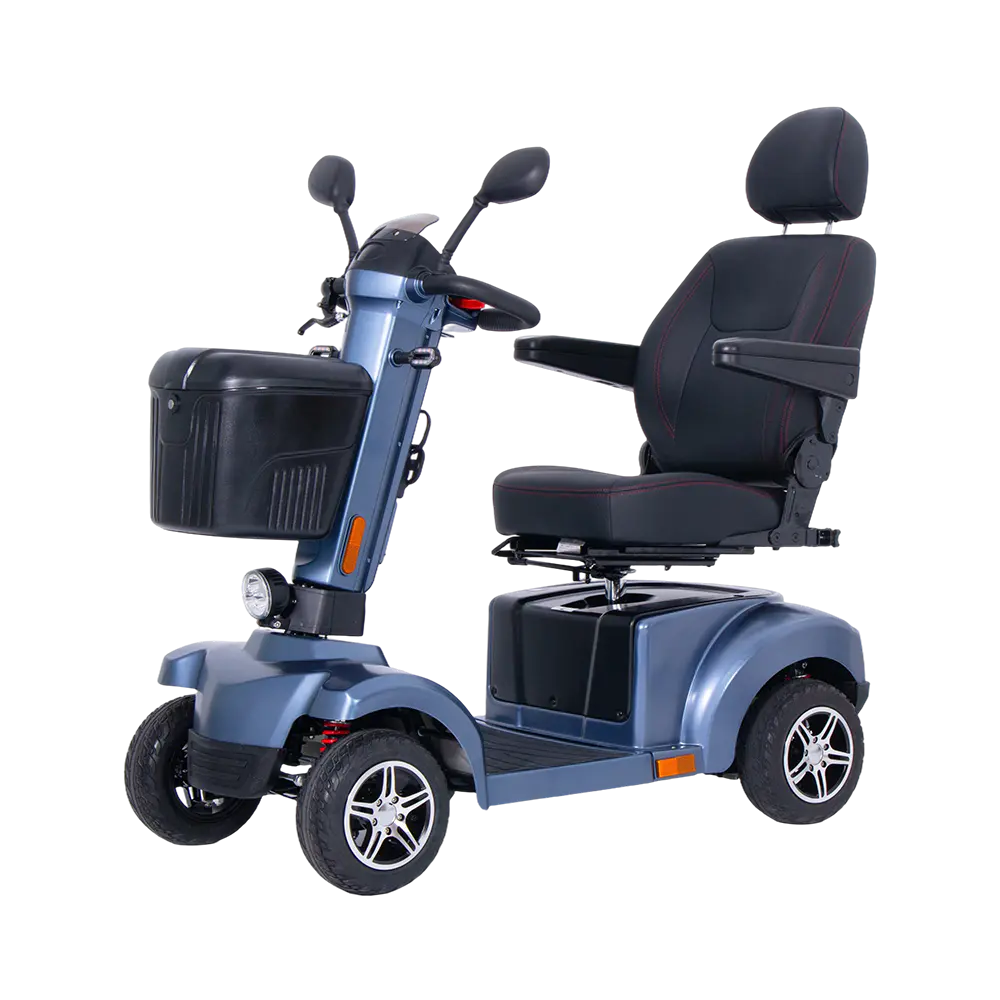
B2B buyers comparing compact mobility scooters should look at battery configuration together with range, charging requirements, vehicle weight, and expected daily use.
Motor Output Needs a Matching System
A smaller chassis still needs an appropriate drive system. Motor output influences response under rider load and on slopes, while the controller determines how electrical power reaches the motor.
The Small Lightweight Scooter category includes 450W and 700W motor configurations. Ruidi's R45SE uses a 450W motor with a PG90A controller, while the R5SE uses a 700W motor with a PG120A controller.
For manufacturers, increasing motor power can also change energy demand and system weight. Output is therefore better matched with vehicle mass, battery capacity, wheel arrangement, and operating conditions.
Wheel Size Shapes the Chassis
Wheels influence more than appearance. Their diameter affects chassis height, ground clearance, steering geometry, and the space available for other components.
On a Small Lightweight Scooter, these relationships become more noticeable because frame space is limited. Ruidi's small models use different wheel sizes and ground-clearance specifications, reflecting different approaches to urban handling and surface adaptability.
This means lightweight mobility scooter design cannot focus only on reducing frame material. Wheel dimensions also need to work with turning radius, ride height, battery placement, and rider position.
Compact Dimensions Still Need Usable Seating
A small vehicle still needs sufficient room for the rider. Seat dimensions, handlebar position, foot area, and entry height all have to fit within the available chassis.
The Small Lightweight Scooter range includes adjustable seating and handlebar arrangements on selected models, while some configurations add heated seats or heated handlebars.
For B2B product development, this is an important design balance. Reducing size does not necessarily mean every component should be reduced proportionally; limited space needs to be allocated to the functions that matter for the target market.
Turning Radius Supports Urban Maneuvering
Compact scooters are often used near shops, entrances, and other areas where turning space is limited. A smaller turning radius can influence how easily a rider changes direction in confined areas.
Ruidi's R45SE lists a turning radius of 2.1 m, with other small models using similar compact steering dimensions.
A Small Lightweight Scooter intended for urban use therefore needs to balance turning performance with wheel size, seat placement, and overall stability.
Load Capacity Remains Important
Reducing vehicle size does not remove the need to carry the intended rider and personal items. Frame strength, motor output, tires, battery performance, and braking components all relate to total operating load.
For a Small Lightweight Scooter, max oading capacity should be considered alongside vehicle weight. Current Ruidi small models list loads of about 150 kg to 160 kg, depending on the configuration.
For distributors, this specification helps define where a Small Lightweight Scooter fits within a product portfolio.
Compact Mobility Requires a Balanced Specification
The development of a compact scooter is ultimately an exercise in system balance. Battery capacity, motor output, controller, wheels, seating, turning radius, ground clearance, and load capacity all influence the final vehicle.
For manufacturers and B2B buyers, the useful model is therefore determined by the intended application rather than by weight alone. It needs to match how the scooter will be stored, transported, ridden, and maintained.
As compact mobility products diversify, the focus is shifting from simply making a scooter smaller toward using limited vehicle space efficiently.

 No.58 Feiyang Road , Jinhua 321025, Zhejiang, China
 +86-13905796145
 +86-579-82268015