


 English
 中文简体
中文简体 Español
 Deutsch
Testing Starts With the Folding Frame
For small portable mobility scooters, the folding frame is a key part of product design. Users may fold and unfold the scooter when storing it at home, placing it in a vehicle, or preparing it for travel. Repeated movement puts stress on hinges, joints, and locking points, making these areas relevant to product testing.
A factory can assess the frame through repeated folding and unfolding cycles, checking whether the mechanism continues to operate as intended. Vibration testing can also help identify areas that need attention during transport or use on uneven surfaces. These tests provide information about the frame’s response to repeated movement and mechanical stress.
The test conditions and cycle counts depend on the product design and the manufacturer’s testing plan. Buyers reviewing a model should confirm which tests apply to that specific scooter rather than assuming that every product follows the same procedure.
Packaging Tests Help Assess Transit Protection
A scooter may experience vibration, handling, and impact during domestic transport and international shipping. Packaging design therefore forms part of the product’s delivery preparation.
Drop testing of packaged samples can help assess how well the carton and internal supports protect the scooter during handling. The inspection may focus on the condition of the frame, joints, and other components after the test. Vibration testing can provide further information about how the packed unit responds to movement during transport.
For distributors importing small portable mobility scooters, these checks are relevant to packaging selection and shipment planning. The results can help the manufacturer review protective materials and the arrangement of components inside the carton.
|
Test Type |
What It Checks |
Relevance to Buyers |
|
Folding-cycle testing |
Hinge and locking mechanism operation after repeated use |
Helps assess the folding structure |
|
Vibration testing |
Response of the scooter or packaged unit to repeated movement |
Supports transport and structural evaluation |
|
Packaging drop testing |
Condition of the package and product after impact |
Helps review packaging protection |
|
Battery cycle testing |
Battery capacity over repeated charge and discharge cycles |
Provides information for battery planning |
Battery Testing Covers Use and Transport Requirements
Battery performance is another part of small portable mobility scooters testing. Cycle testing tracks how battery capacity changes after repeated charging and discharging. This information can help manufacturers and buyers understand battery performance over time, although the results depend on the battery model, test conditions, and usage pattern.
Lithium batteries also have transport requirements. UN 38.3 testing applies to lithium battery types and helps assess their response to conditions encountered during transport. Buyers arranging international shipments should confirm that the battery documentation matches the battery model supplied with the scooter.
Certification and documentation requirements vary by destination and product classification. For example, CE marking relates to applicable European product requirements, while U.S. FDA requirements depend on how a product is classified and marketed. Buyers should confirm the relevant requirements for the intended market instead of treating one certificate as sufficient for every destination.
Field Use Can Inform Product Development
Laboratory tests provide controlled information, while feedback from actual users can reveal how a scooter performs in its intended setting. Rental operators, rehabilitation providers, and individual users may encounter different conditions depending on how often the scooter is used and where it travels.
Airport use may involve frequent movement across smooth indoor floors, while home and community use can include pavement joints, curb transitions, or other uneven surfaces. These conditions can inform product reviews involving tires, folding mechanisms, seating components, and handling.
For manufacturers, feedback from service teams and users can help identify areas for further evaluation. It should be considered alongside test results and product specifications rather than treated as a replacement for controlled testing.
Test Records Help Buyers Compare Product Models
When sourcing small portable mobility scooters, B2B buyers may review test reports, battery documentation, and product specifications as part of model evaluation. The useful records depend on the intended market and the scooter’s configuration.
A test report should identify the model or component tested, the test method, and the conditions or results recorded. This helps buyers understand what the document covers. A general certificate or summary may address a different requirement from a specific folding, battery, or packaging test.
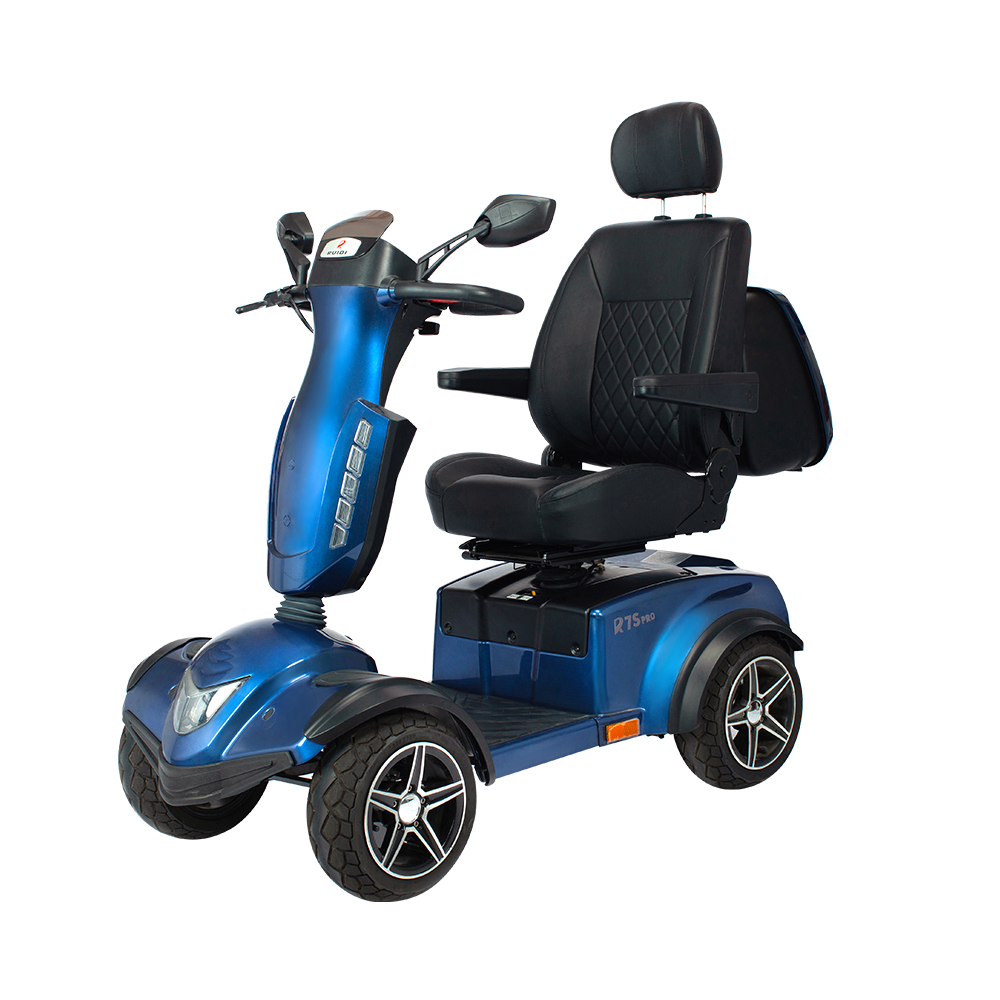
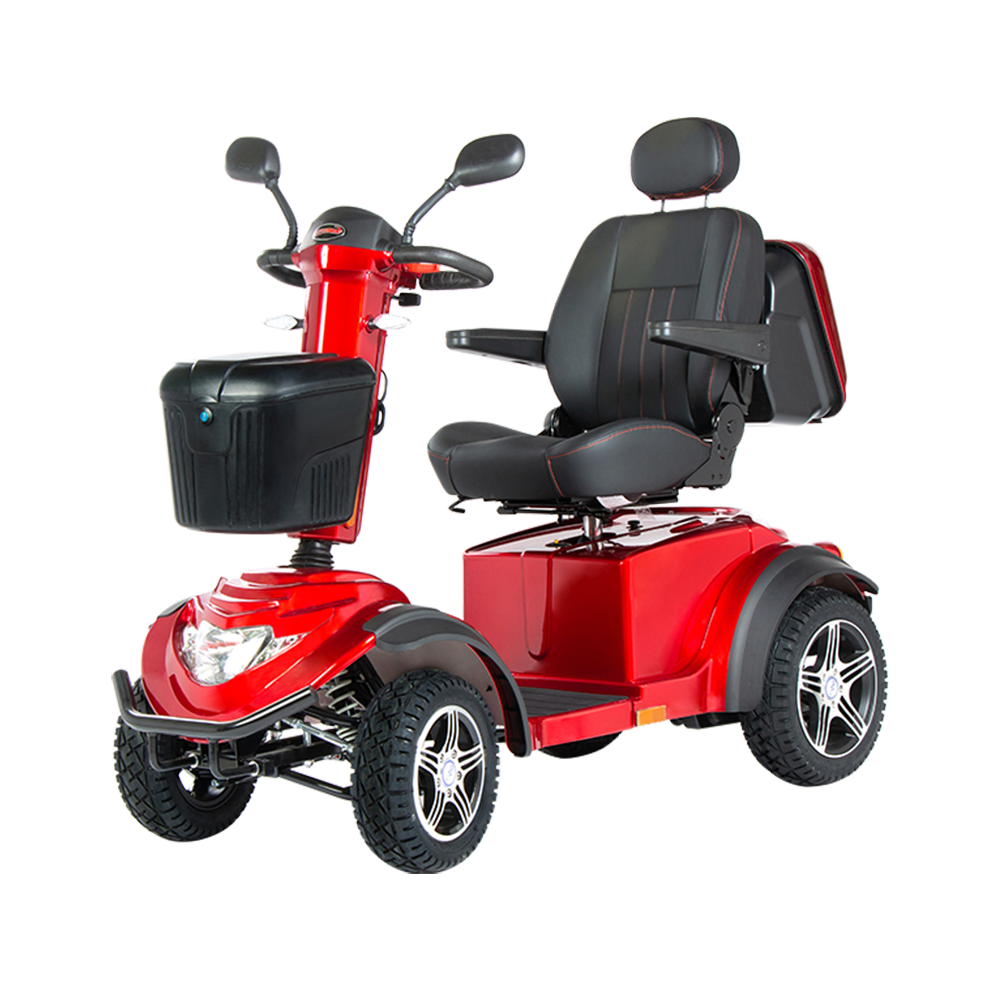
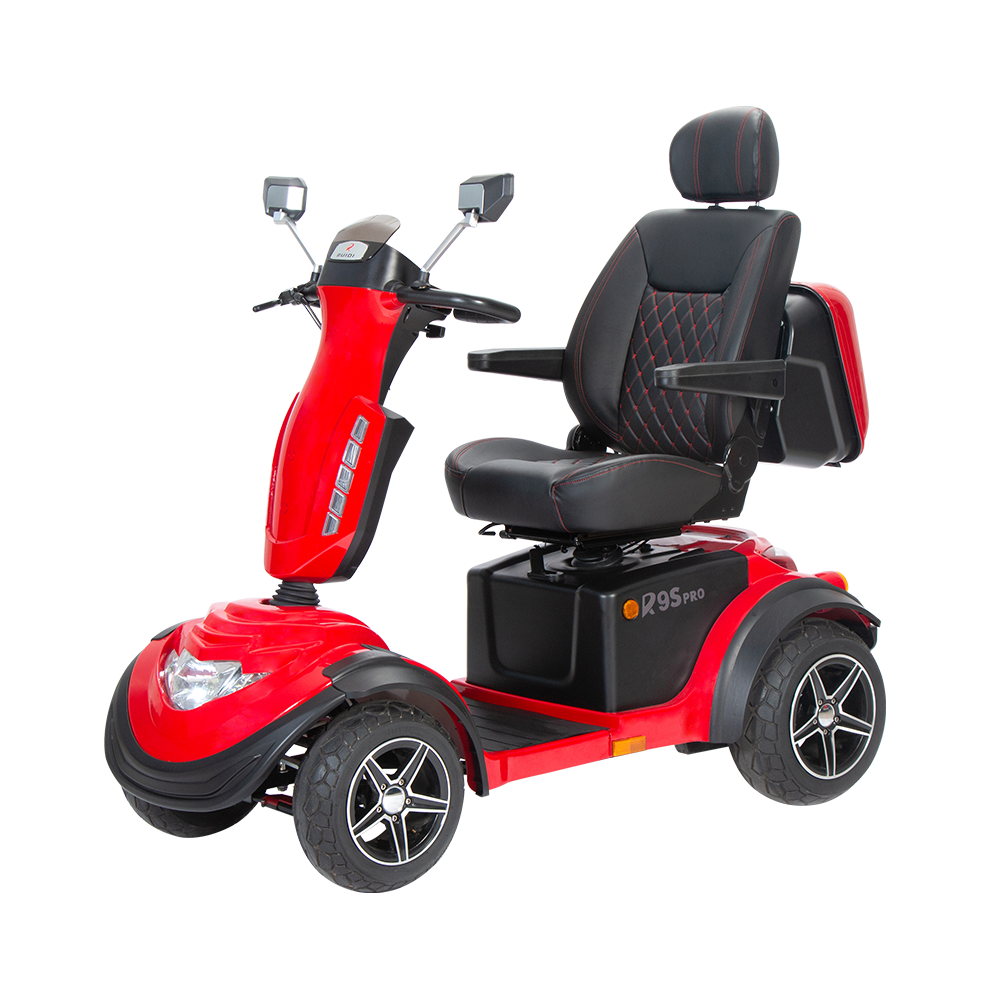
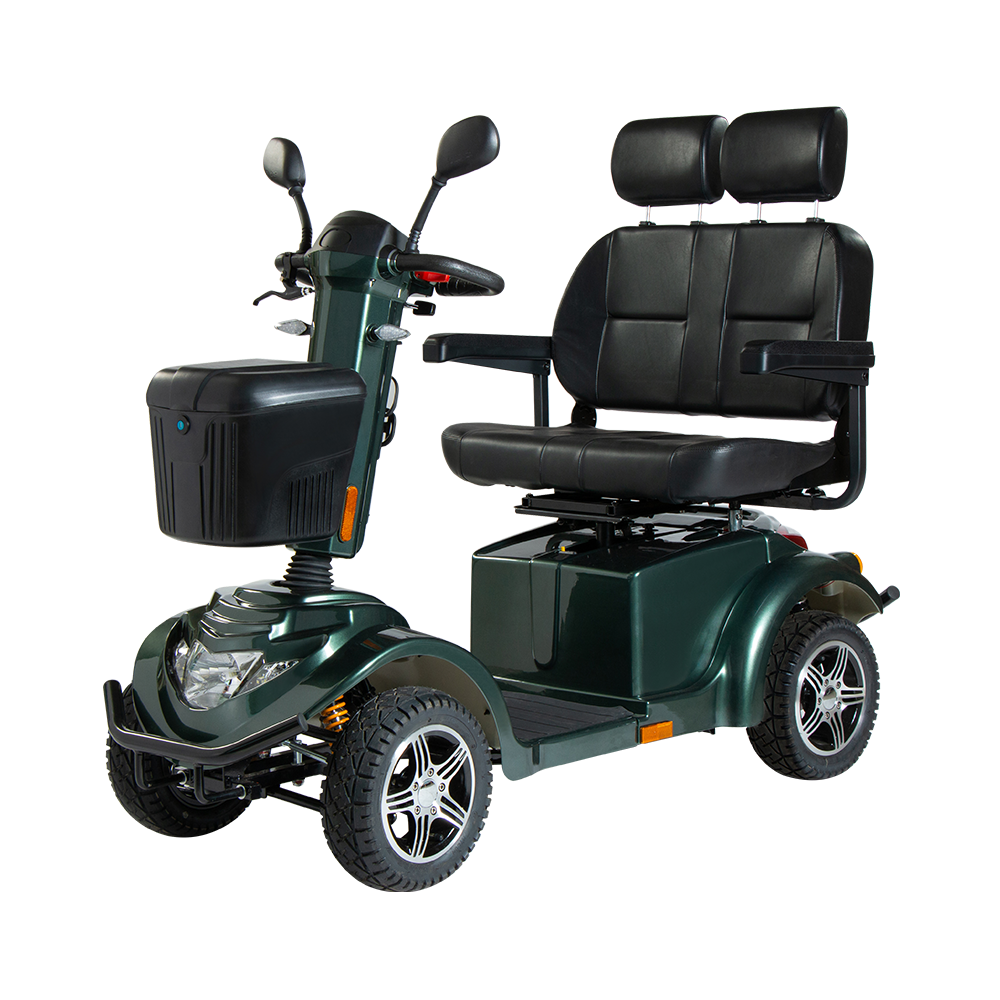
RUIDI Mobility’s product range includes small mobility scooters designed for portable use. Buyers considering a particular model can use its technical documentation to confirm the applicable specifications and available test records before placing an order.
Testing Connects Product Design With Shipment Preparation
Testing small portable mobility scooters involves several parts of the product: the folding frame, battery, packaging, and components used during everyday operation. Each test provides information about a particular feature or condition, so the results need to be read in relation to the model and its intended use.
For manufacturers and distributors, clear model identification and supporting documentation help connect product evaluation with purchasing and shipment planning. The specific tests, certification documents, and acceptance criteria should be confirmed for each scooter and destination market.

 No.58 Feiyang Road , Jinhua 321025, Zhejiang, China
 +86-13905796145
 +86-579-82268015