English
 中文简体
中文简体 Español
 Deutsch
information to be updated

Product Categories
- Mobility Scooters
- Electric Wheelchairs
- Sightseeing Scooters
-
Recreational scooters/Golf Cart
-
Accessories
Single Sightseeing Scooters

ABOUT
Zhejiang Ruidi Vehicle Industry Co., Ltd.
Zhejiang Ruidi Vehicle Industry Co., Ltd. is a professional manufacturer engaged in the research, development, and production of Single Sightseeing Scooters. Our products are widely applied in elderly mobility, sports and leisure, and recreational fields.
The company’s manufacturing base is located in Jinhua Industrial Park, Zhejiang Province, covering an area of approximately 35,000 square meters. The facility is equipped with over 100 sets of advanced production equipment and four efficient production lines, ensuring stable production capacity and reliable product quality.
At present, our products are exported to the United States, Canada, Europe, and Australia, as well as supplied to the Chinese domestic market. Our main product series include mobility scooters for the elderly, electric walking chairs, foldable electric mobility scooters, and enclosed cabin-type electric mobility scooters.
We consistently adhere to a quality-centered management philosophy and are supported by a professional and efficient team. We are committed to providing electric mobility products that are easy to operate, energy-saving, environmentally friendly, low-noise, and pollution-free. We believe these products bring greater comfort, convenience, and freedom to elderly and mobility-impaired users, helping them enjoy a higher quality of life.
View More
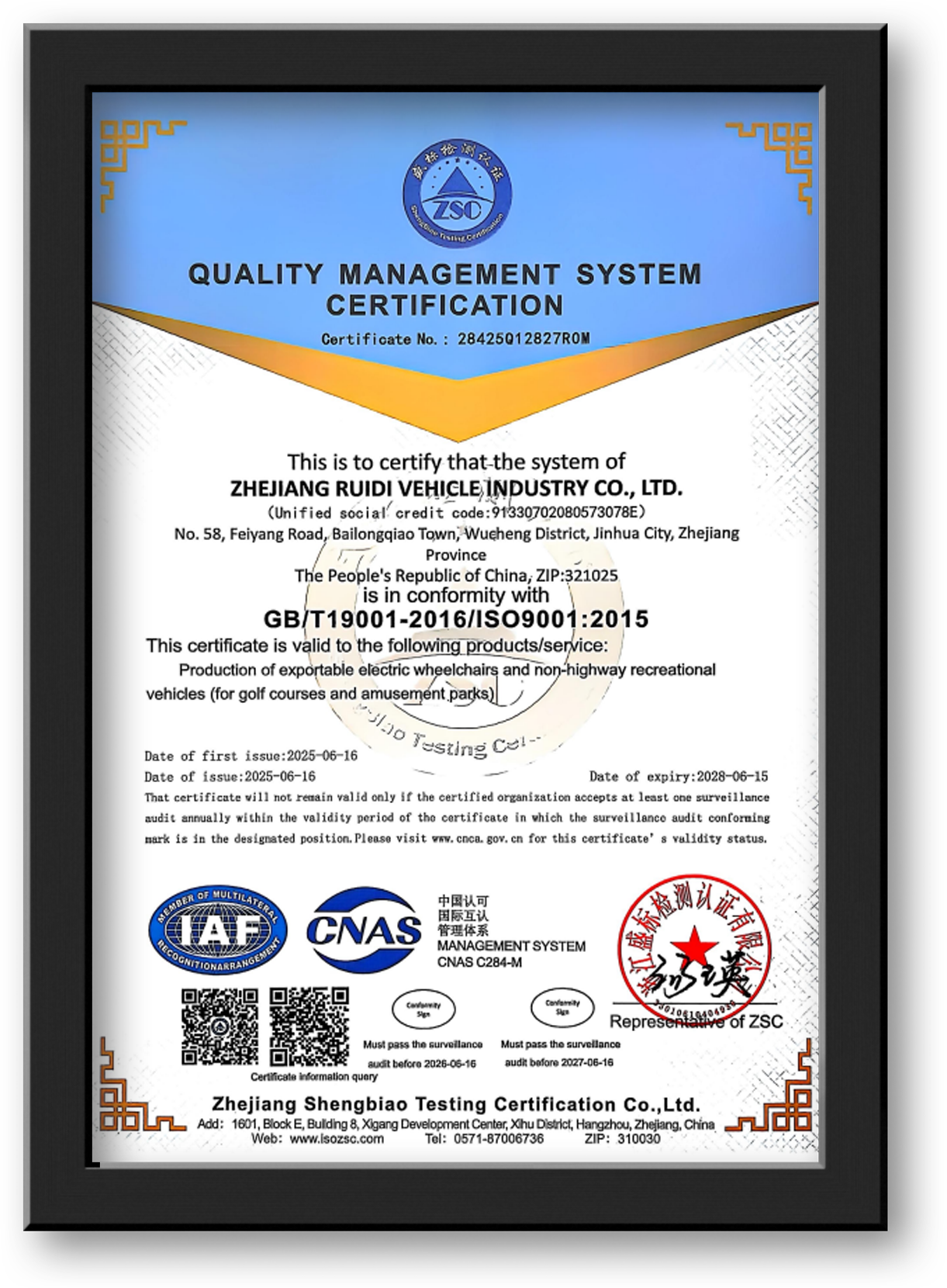
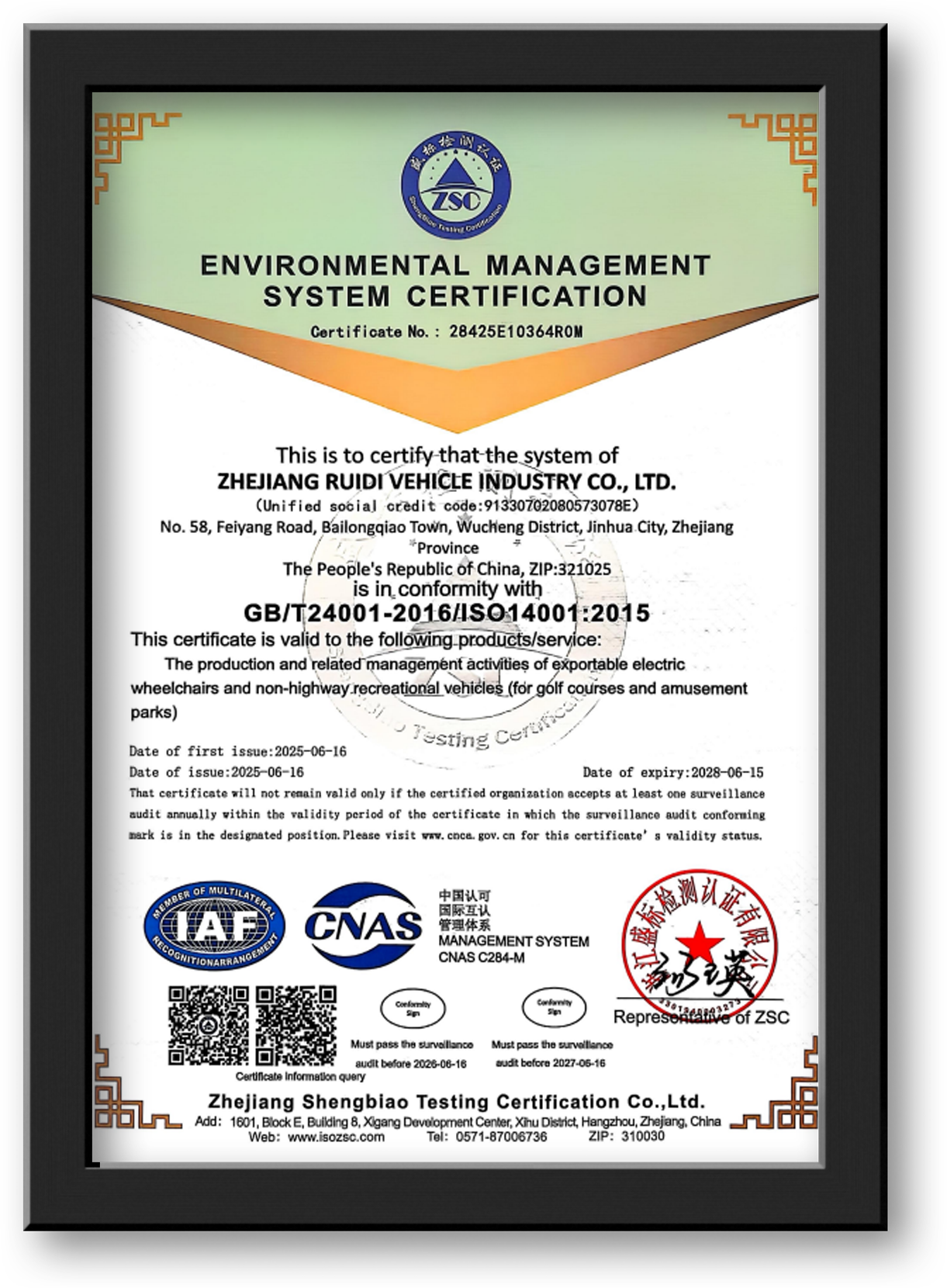
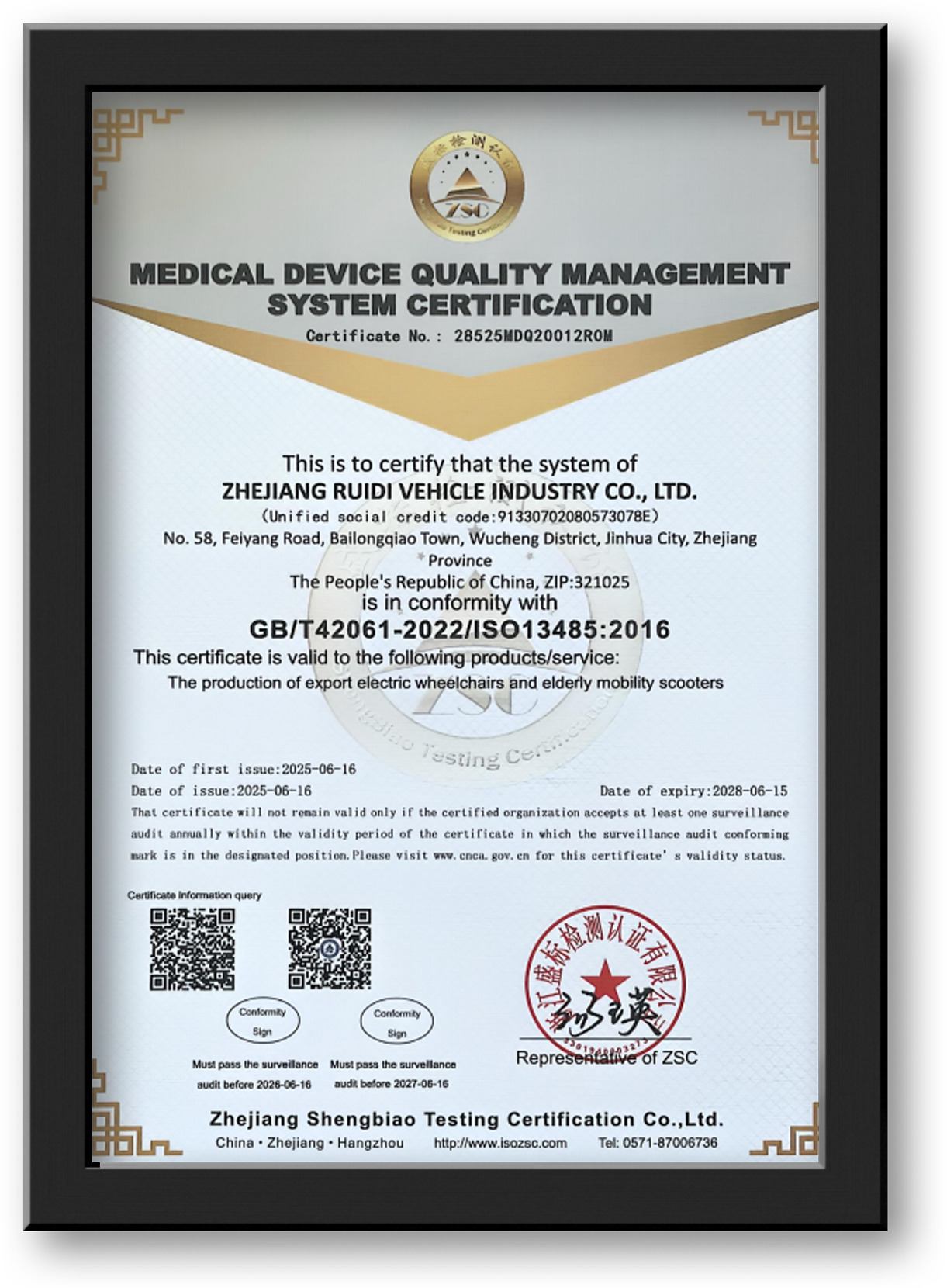
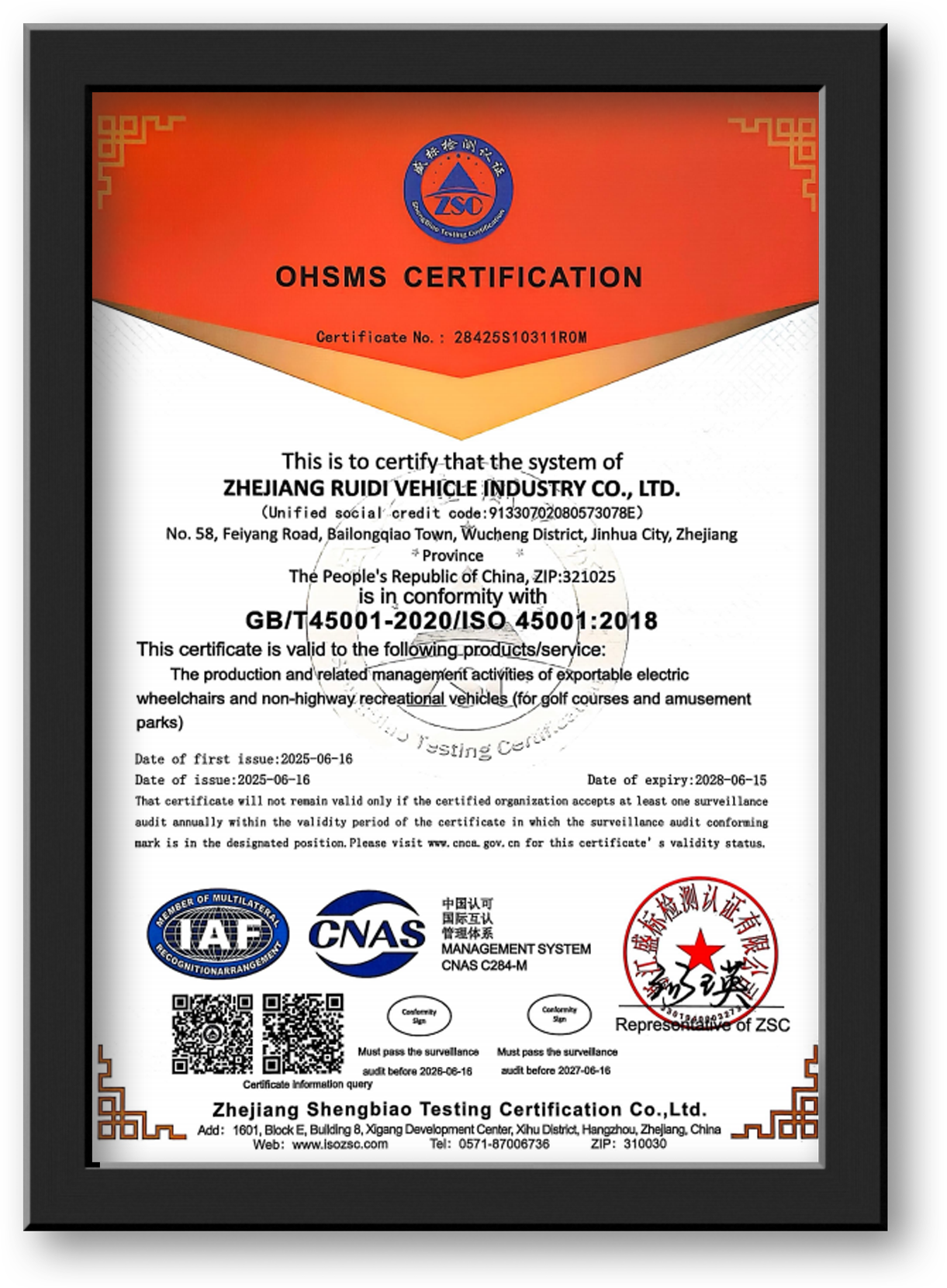
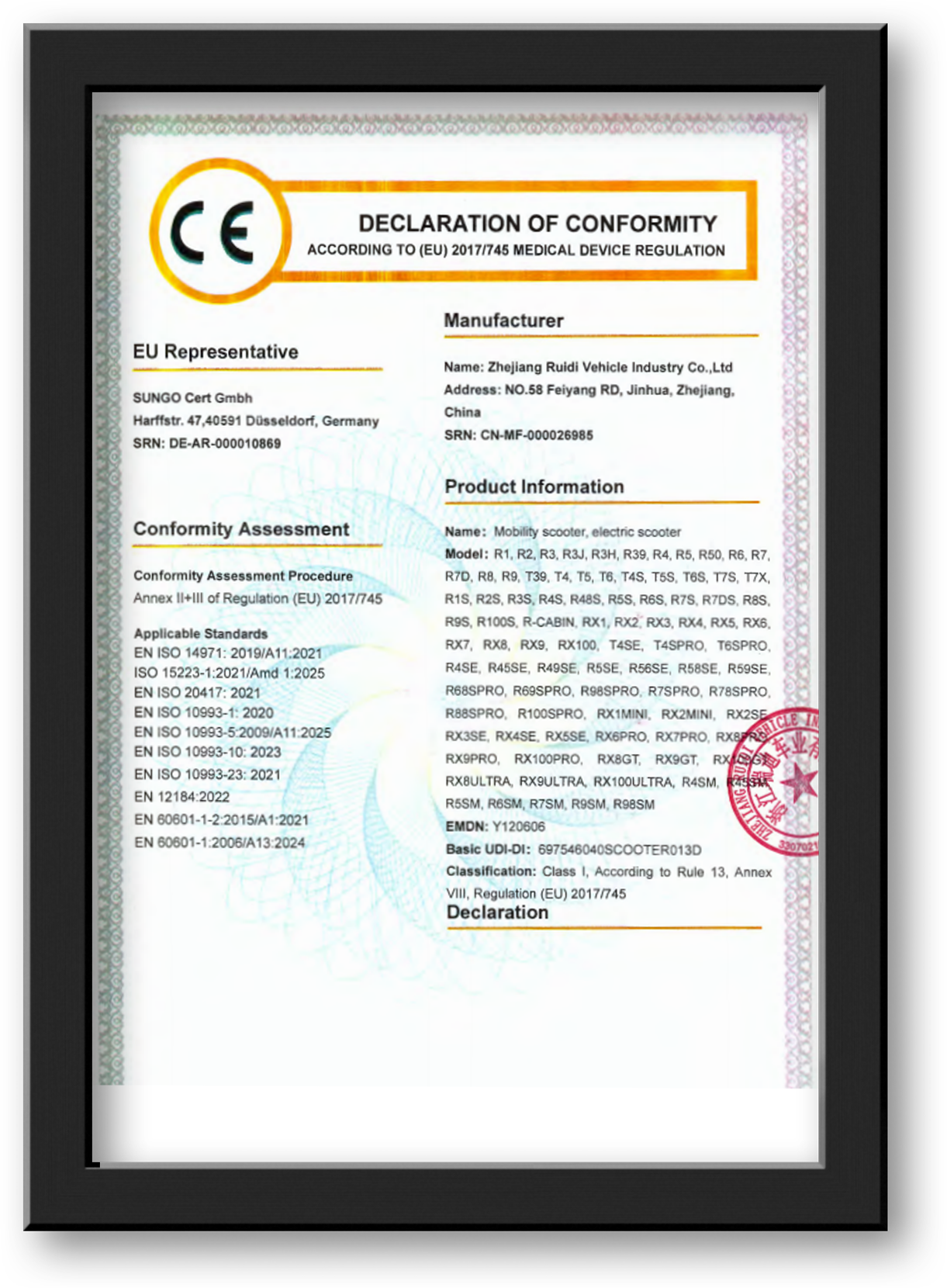
Patent Certificate
Latest Updates
View More-
2026.07.17
When Should A Senior Consider A Mobility Scooter For Elderly Use?
A parent skipping the grocery run because the parking lot feels too far, or a grandmother declining a family outing because standing in line...Read More -
2026.07.10
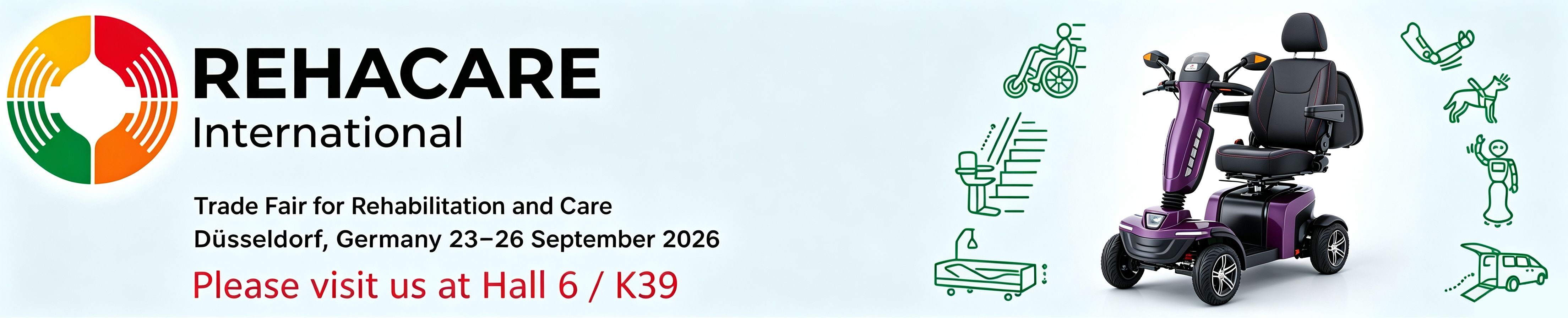
Ruidi Mobility to Attend REHACARE 2026
We are pleased to announce that Ruidi Mobility will participate in REHACARE International Trade Fair for Rehabilitation and Care 2026, one ...Read More -
2026.07.10
How Does Enclosed Mobility Scooter Improve Daily Travel?
Enclosed mobility scooter is becoming part of everyday transportation for people who want to remain active while reducing the physical effor...Read More -
2026.07.03
Who Actually Needs A Mini Electric Wheelchair?
A worn-out shoulder from folding a bulky wheelchair into a trunk, or a narrow apartment hallway that a full-size chair simply won't clear, i...Read More
Industry Knowledge
The Single Sightseeing Scooter is a single-person electric mobility device designed for short-distance travel within scenic areas and recreational zones. Easy to operate and offering a smooth ride, it enhances the freedom and efficiency of individual sightseeing, allowing users to exercise greater flexibility in controlling their routes and pacing during their tours.
The Changing Landscape of Single-Person Sightseeing Mobility Needs
As lifestyles evolve, mobility requirements have begun to exhibit several distinct trends:
- An increase in personalized travel
- Independent travel replacing organized group tours
- A rise in short-duration, fragmented travel scenarios
- Heightened demand for flexibility in personal mobility tools
Against this backdrop, lightweight electric mobility devices designed for single-person use have begun to garner attention, gradually establishing a stable niche within the market.
Key Characteristics of the Solo Travel Electric Scooter
The Solo Travel Electric Scooter is primarily geared toward meeting the needs of short-distance, single-person travel, emphasizing portability and fundamental mobility functions.
Core Features:
- Structural design optimized for solo riding
- Electric propulsion system to minimize physical exertion
- Lightweight body for easy carrying and storage
- Simplified controls for quick and intuitive use
- Suitable for use in mixed urban and scenic environments
Common Use Cases:
- Short-distance transit within urban neighborhoods
- Independent movement within scenic attractions
- Supplementary mobility during travel excursions
This type of device leans more toward being a "tool for free movement," prioritizing the user's ability to control their own pace.
Functional Positioning of the Personal Sightseeing Scooter
The Personal Sightseeing Scooter places a greater emphasis on the "sightseeing experience" itself; in addition to basic mobility functions, it incorporates specific design elements focused on comfort and stability.
Key Features:
- Design focused on riding comfort
- Stable, low-speed operation system
- Adapted for use on scenic area roadways
- Ideal for extended periods of leisurely sightseeing
- Emphasis on safety and smooth handling
Usage Characteristics:
- Suitable for in-depth, solo exploration
- Allows for flexible route switching between multiple attractions
- Supports extended periods of low-speed cruising
Compared to devices that serve purely as means of transport, this category places a stronger emphasis on the "experiential quality of the journey itself."
Comparative Analysis of Two Types of Single-Person Sightseeing Devices
| Comparison Dimensions | Solo Travel Electric Scooter | Personal Sightseeing Scooter |
| Usage Positioning | Urban/Short-Distance Commuting | Scenic Area Sightseeing Experience |
| Structural Design | Lightweight and Agile | Stable and Comfortable |
| Travel Speed | Medium-to-Low Speed | Low and Stable Speed |
| Usage Scenarios | City Streets | Scenic Spots and Leisure Areas |
| Handling Style | Simple and Direct | Stable and Smooth |
| Comfort Level | Basic Comfort | High Comfort |
Structural Design and Technical Components
1. Power System
Single-person sightseeing mobility devices typically employ electric propulsion, characterized by the following features:
- Low energy consumption
- Smooth power output
- Suitable for frequent start-and-stop operation
2. Body Structure
- Application of lightweight materials
- Foldable or compact design
- Easy to store and transport
3. Control System
- Handlebar-style or simplified control structure
- Adjustable speed settings
- Intuitive directional control
4. Safety System
- Anti-slip tire design
- Automatic deceleration mechanism
- Basic braking protection
Analysis of Application Scenarios
- 1. Urban Short-Distance Commuting
Suitable for scenarios such as subway connections and movement within commercial districts.
- 2. Independent Sightseeing in Scenic Areas
Enables tourists to plan their own independent routes.
- 3. Parks and Leisure Areas
Ideal for slow-paced cruising and relaxed sightseeing.
- 4. Campuses and Industrial Parks
Used for short-distance transit and internal mobility.
- 5. Immersive Travel Experiences
Suitable for solo, slow-paced sightseeing itineraries.
Directions for Optimizing User Experience
1. Simplified Operation
- One-touch start design
- Intuitive control methods
2. Enhanced Comfort
- Optimized shock-absorption structure
- Comfort-focused design for seats or footboards
3. Improved Safety
- Stable braking system
- Anti-tip structural design
4. Optimized Range Capability
- Increased battery energy density
- Optimized energy consumption control
Analysis of User Behavior and Usage Habits
User behavior regarding single-person sightseeing mobility devices typically exhibits the following characteristics:
Preference for flexible route planning
- Greater focus on mobility efficiency
- Preference for a low-interference sightseeing experience
- Usage time is often fragmented (short, intermittent sessions)
- High demand for device portability
These behavioral characteristics drive product design toward a more flexible and agile direction.
Operational and Management Perspectives
In the context of scenic areas or urban sharing environments, the operation of such equipment requires consideration of the following factors:
- Equipment Distribution and Dispatching
- Layout of Charging Facilities
- Usage Safety Protocols
- Peak-Hour Management
- Maintenance and Inspection Systems
Effective management strategies can enhance equipment utilization rates while simultaneously alleviating operational pressures.
We'd love to hear from you!

QUICK LINKS
PRODUCTS
CONTACT INFORMATION
 No.58 Feiyang Road , Jinhua 321025, Zhejiang, China
 +86-13905796145
 [email protected]
  +86-579-82268015
Solo Travel Electric Scooter Manufacturer
Copyright © Zhejiang Ruidi Vehicle Industry Co., Ltd. Rights Reserved.