

 English
 中文简体
 Español
 Deutsch
A Medium-Duty Mobility Scooter is usually specified by distance, yet the distance on a data sheet and the distance covered on an ordinary errand run are not the same number. The comes from a controlled test. The second depends on the rider's weight, the slope of the pavement, how often the scooter stops and starts, and what is carried on the floor deck. Distributors who understand that gap choose configurations with more confidence, and they explain them better to customers.
What Changes the Distance
A Mobility Scooter Battery does not drain in a straight line. Slopes, ramps and kerbs draw more current than flat ground, and frequent stopping asks more of the motor than steady cruising. Load matters too: a scooter carrying a rider and a full shopping basket works harder than the same scooter carrying a rider alone. Two machines with identical battery capacity can therefore finish the same route with different charge left.
Speed setting adds another variable for any Medium-Duty Mobility Scooter. Higher settings use more power per kilometre, and uneven surfaces such as gravel paths or cracked pavement increase the resistance the motor has to overcome. For this reason, a distance figure is a starting point, and the route decides how close a rider gets to it. A route log kept over a week of normal use shows these effects more clearly than a single test ride.
Matching Battery Capacity to the Route

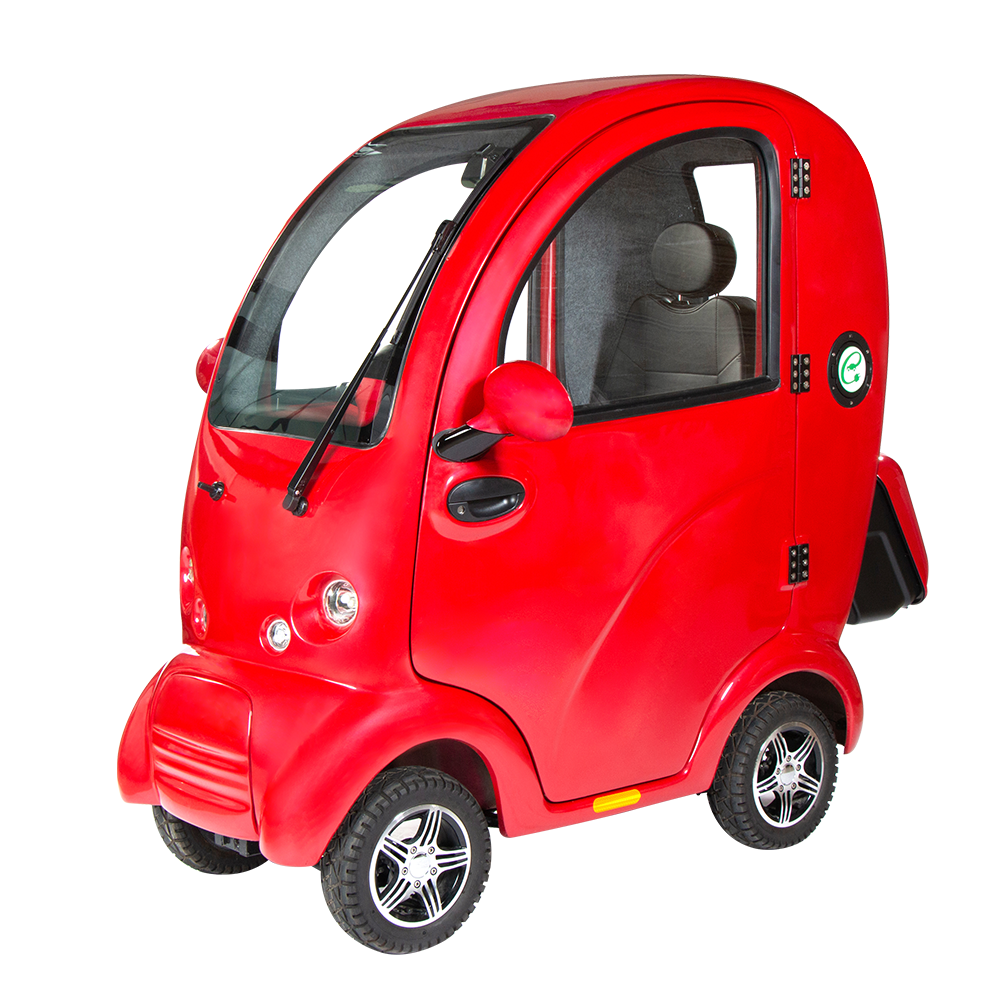
A Medium-Duty Mobility Scooter sits between small portable models and large outdoor platforms. It is built for suburban errands, retail centres and park visits, where a rider may move between pavement, ramps and indoor floors in one outing. Each route type asks for something different. A short loop to local shops needs modest capacity and light handling. A shopping-centre visit adds stop-start movement and ramps. A park route adds distance and uneven ground. Before settling on a configuration, distributors usually ask four questions: how long the typical route is, what load the scooter carries on a regular day, whether ramps or slopes are common, and where the scooter will be charged between outings.
Capacity also adds weight. A larger pack adds mass, and that mass must be carried by the frame, which is why a Medium Mobility Scooter with a high-capacity battery is paired with a reinforced chassis and tuned suspension rather than a lighter travel frame. The goal is a stable ride across mixed surfaces without turning the scooter into a vehicle that is hard to handle indoors.
Motor and Controller Behaviour Under Load
The motor in a Medium-Duty Mobility Scooter is tuned for steady torque rather than peak acceleration. That choice suits the duty: a rider climbing a ramp wants smooth, predictable pull, and a rider moving through a shop wants gentle speed changes. A Mobility Scooter Controller that holds its output through a long outing also keeps the speed consistent as the battery level falls.
Thermal behaviour matters here as well. A controller that stays stable under prolonged medium-load running is one that keeps the same response at the end of a route as at the start. The same attention applies to the seat: a Comfortable Seat Mobility Scooter configuration spreads the rider's weight over a supportive base, which matters on longer routes where the rider stays seated for an hour or more.
Ruidi's Medium Models
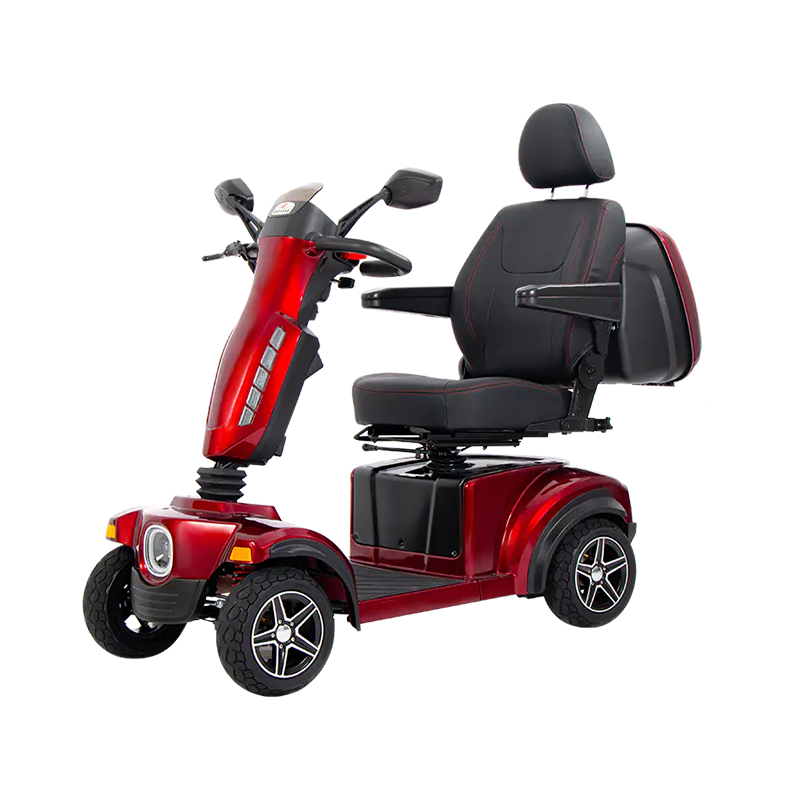
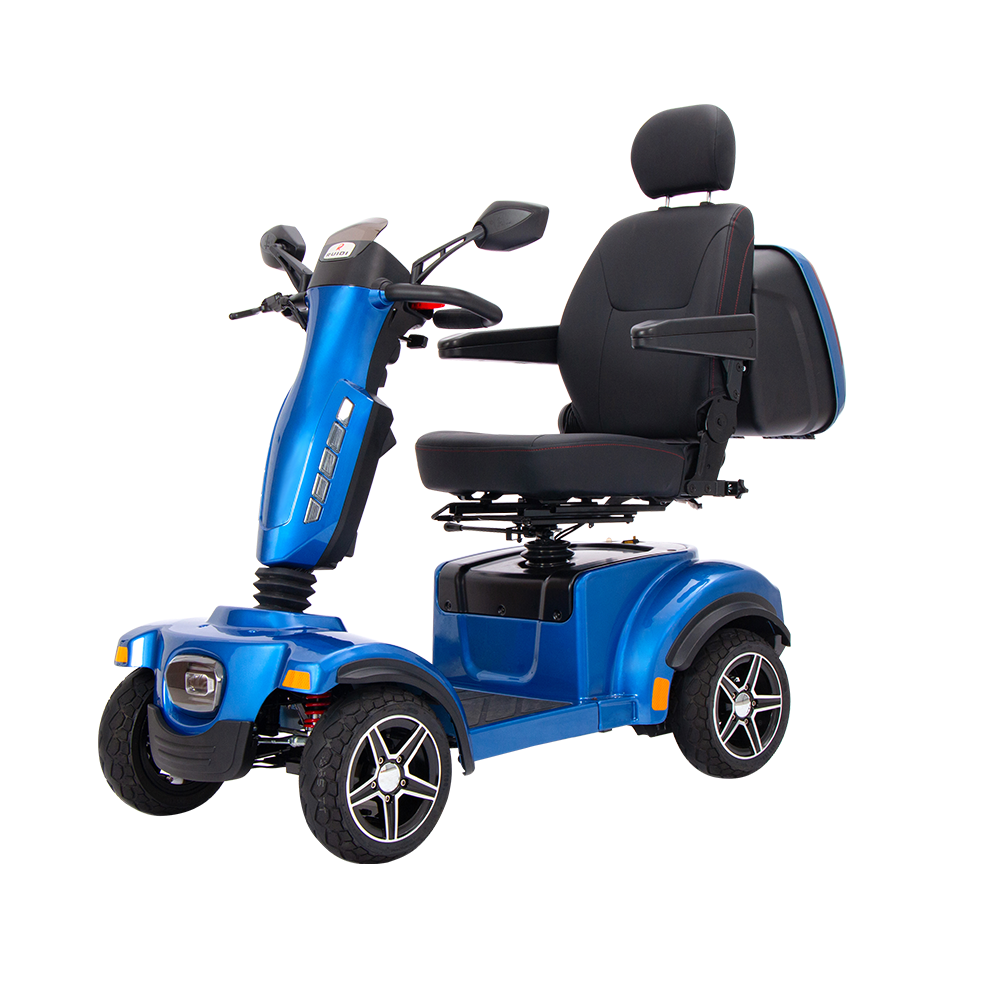
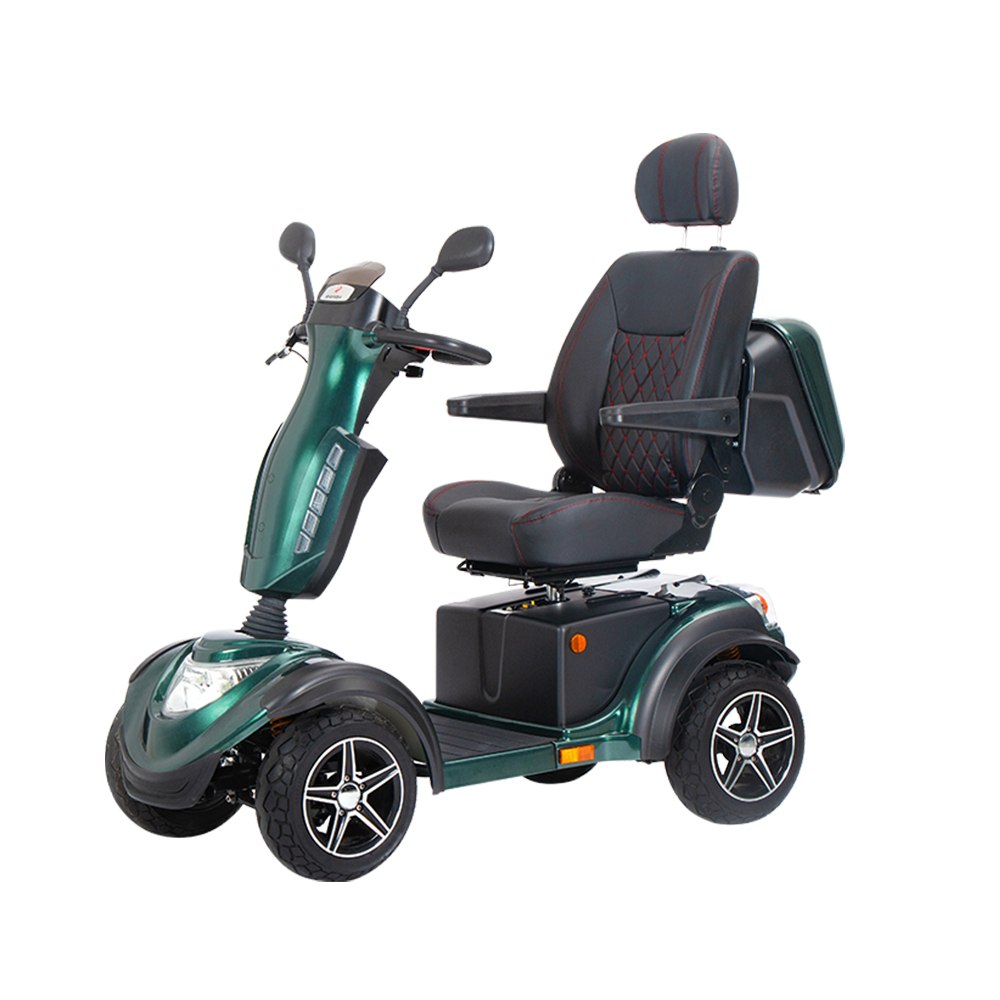
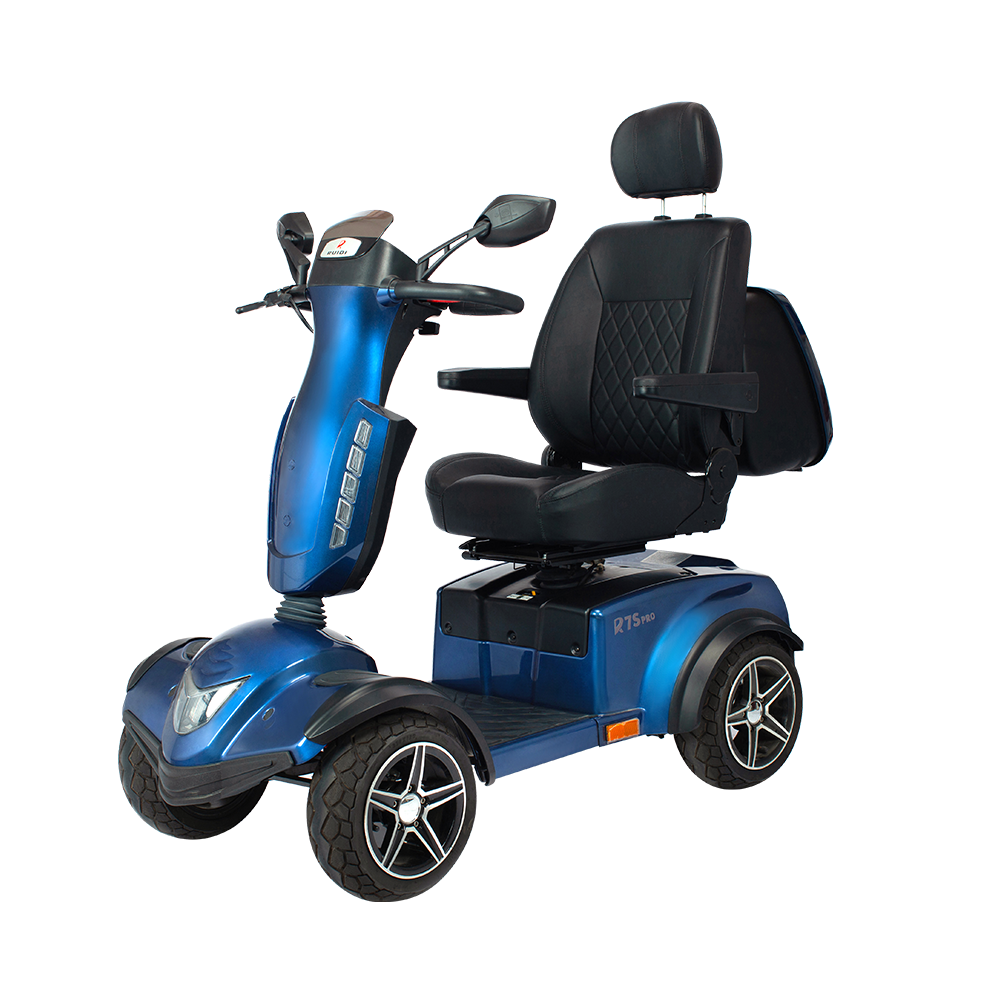
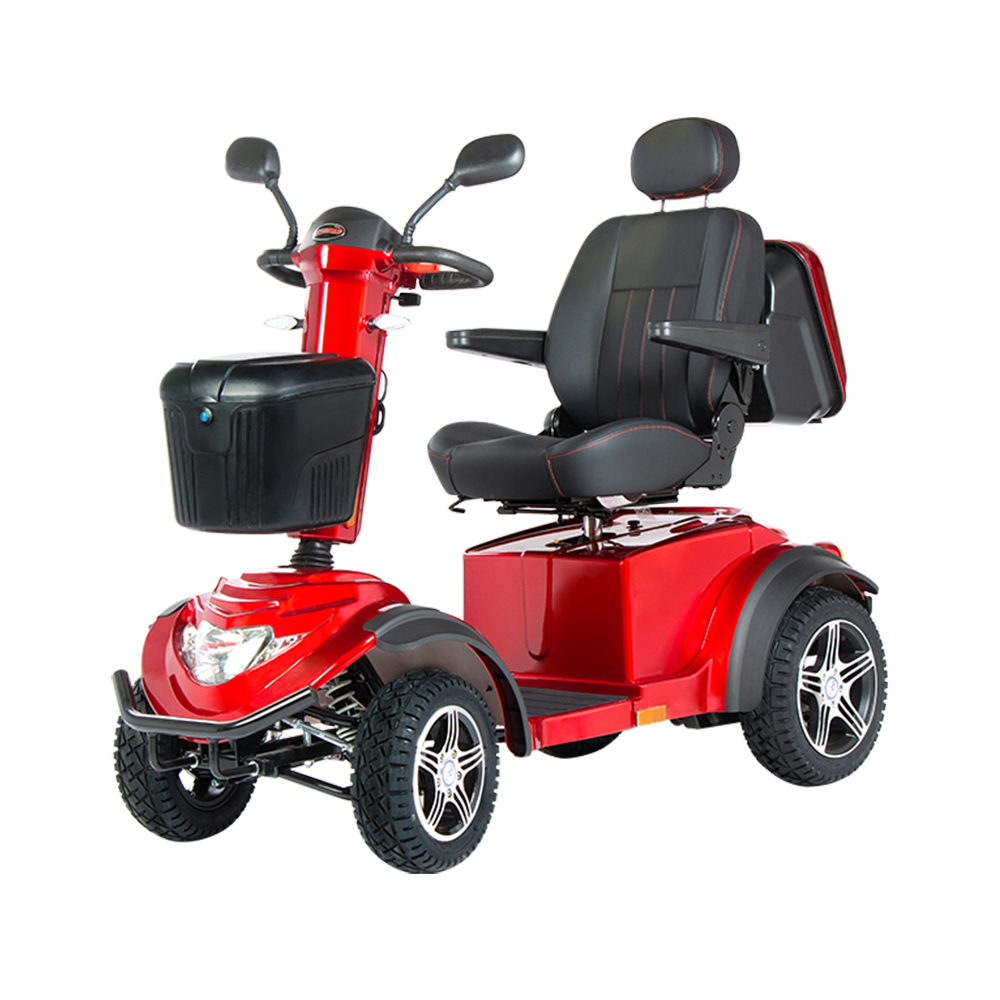
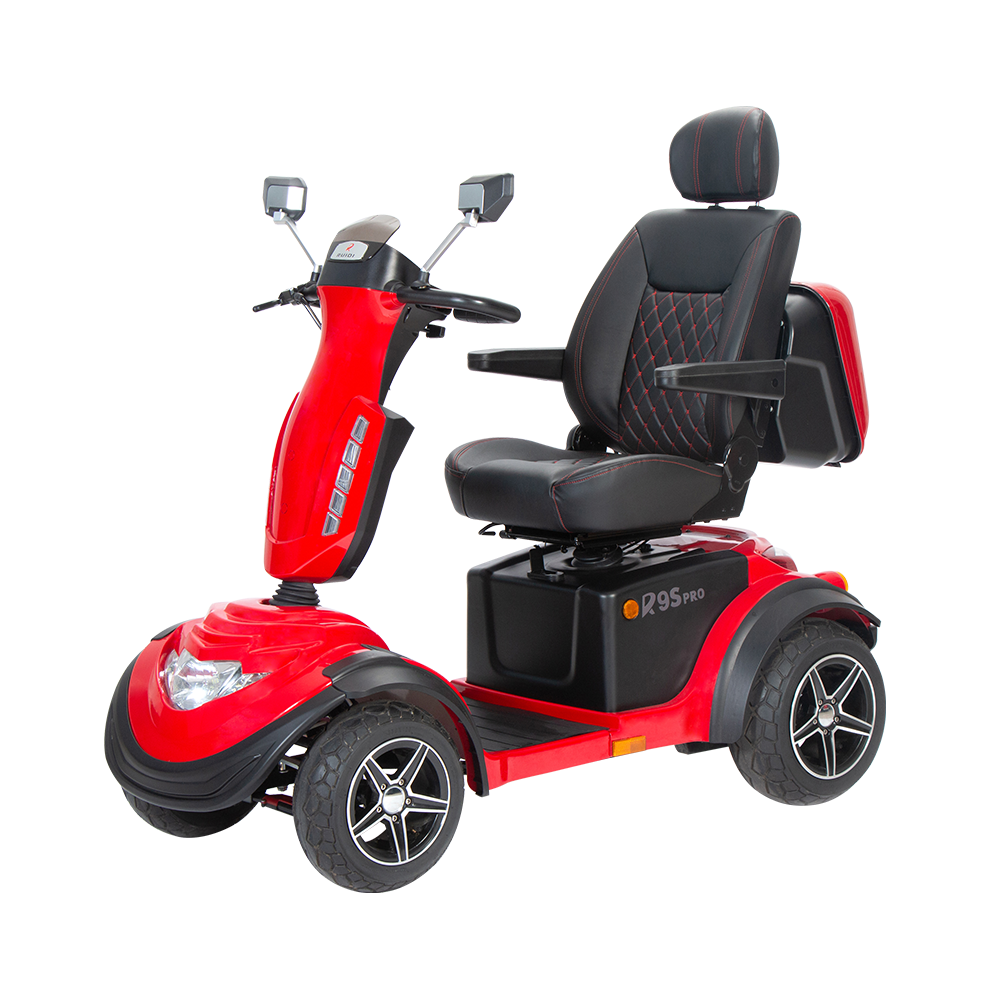
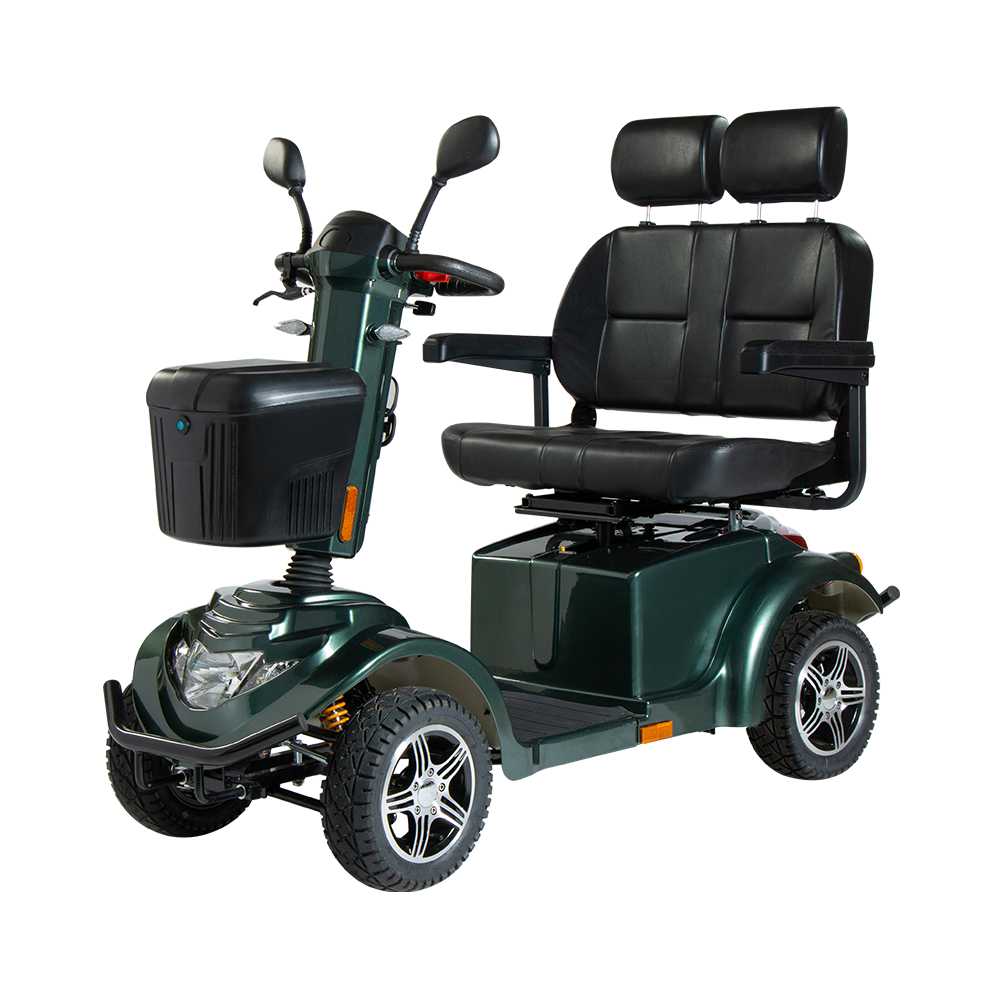
Zhejiang Ruidi Vehicle Industry Co., Ltd. builds its medium-duty range in Jinhua Industrial Park, on a site of about 35,000 square metres with more than 100 sets of production equipment and four production lines. The range includes the R68SPRO for varied terrain, the R7SPRO as an all-weather model, and the R49SE with a TFT display and keyless start. Each fits a different route profile, and a distributor choosing a Medium-Duty Mobility Scooter can pick among them according to where customers actually ride.
The factory ships to the United States, Canada, Europe and Australia, markets where road surfaces, kerb heights and ramp slopes differ, so a Medium-Duty Mobility Scooter that works in one region may need a different suspension setting or battery option in another.

 No.58 Feiyang Road , Jinhua 321025, Zhejiang, China
 +86-13905796145

 +86-579-82268015