

 English
 中文简体
 Español
 Deutsch
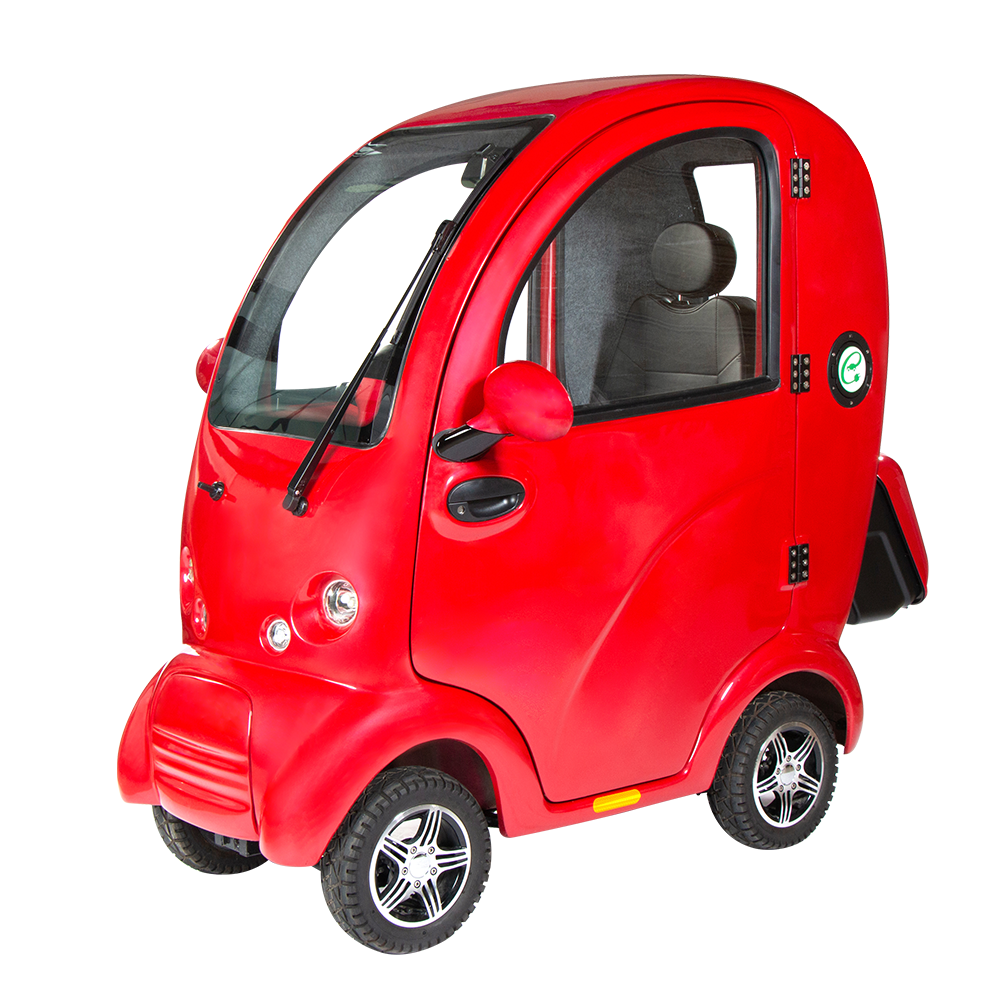
A Comfortable Seat Mobility Scooter is judged in hours, not minutes, as scooters become part of everyday transport rather than occasional assistance. The World Health Organization projects that by 2030, one in six people worldwide will be aged 60 or over, with this group growing from 1 billion in 2020 to 1.4 billion. By 2050, the figure is expected to reach 2.1 billion. Not everyone in this age group will use a scooter, but the growing demand for practical mobility is bringing greater attention to a feature that product descriptions do not always explain in detail: the seat.
When a Scooter Becomes Daily Transport
A scooter used once a week for a pharmacy trip may only be needed for a short journey. A seat that is slightly too hard or a backrest that sits too low might not cause an obvious problem during a ten-minute ride. Extend the same day to include a morning market visit, lunch with a friend and a slow ride home, and the seating arrangement becomes much more noticeable. Pressure and fatigue build over time, potentially making riders less willing to go out.
The impact of an uncomfortable seat is not limited to the ride itself. It can also affect how often someone uses the scooter for everyday errands. A Comfortable Seat Mobility Scooter supports longer outings by making seating comfort part of the overall mobility experience.

Where Riding Comfort Comes From
The seat is a visible comfort feature, but it works together with several parts of the scooter:
-
Getting on and off: Seat height and foot space affect whether mounting and dismounting feel convenient.
-
Support while riding: Back support and armrest position become increasingly relevant during longer journeys.
-
Road feel: The chassis and suspension influence how much vibration from cracks and uneven surfaces reaches the rider.
-
Steady footing: Stability on different surfaces helps riders maintain a relaxed and controlled position.
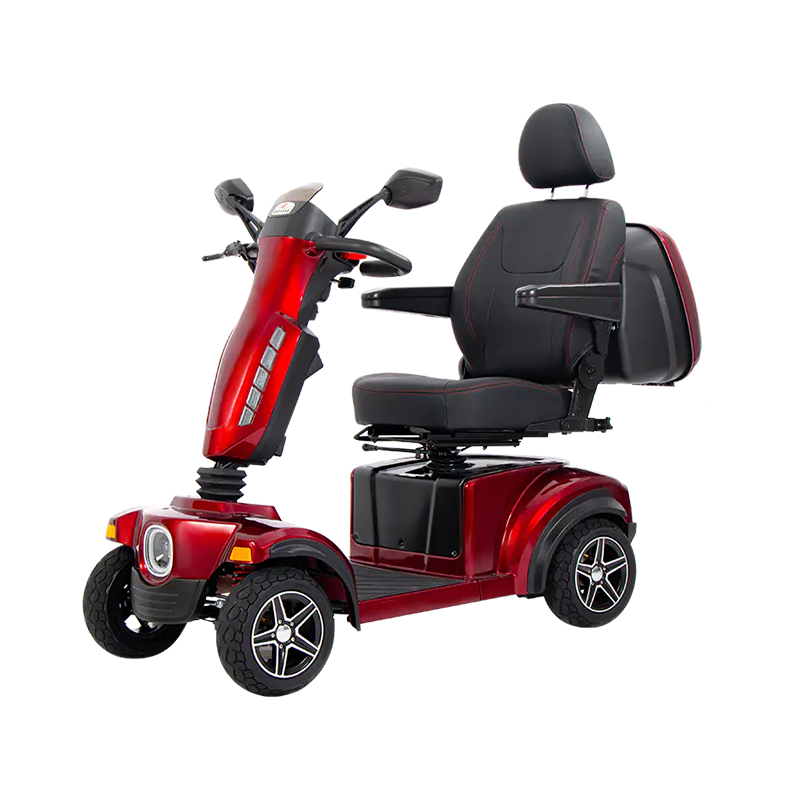
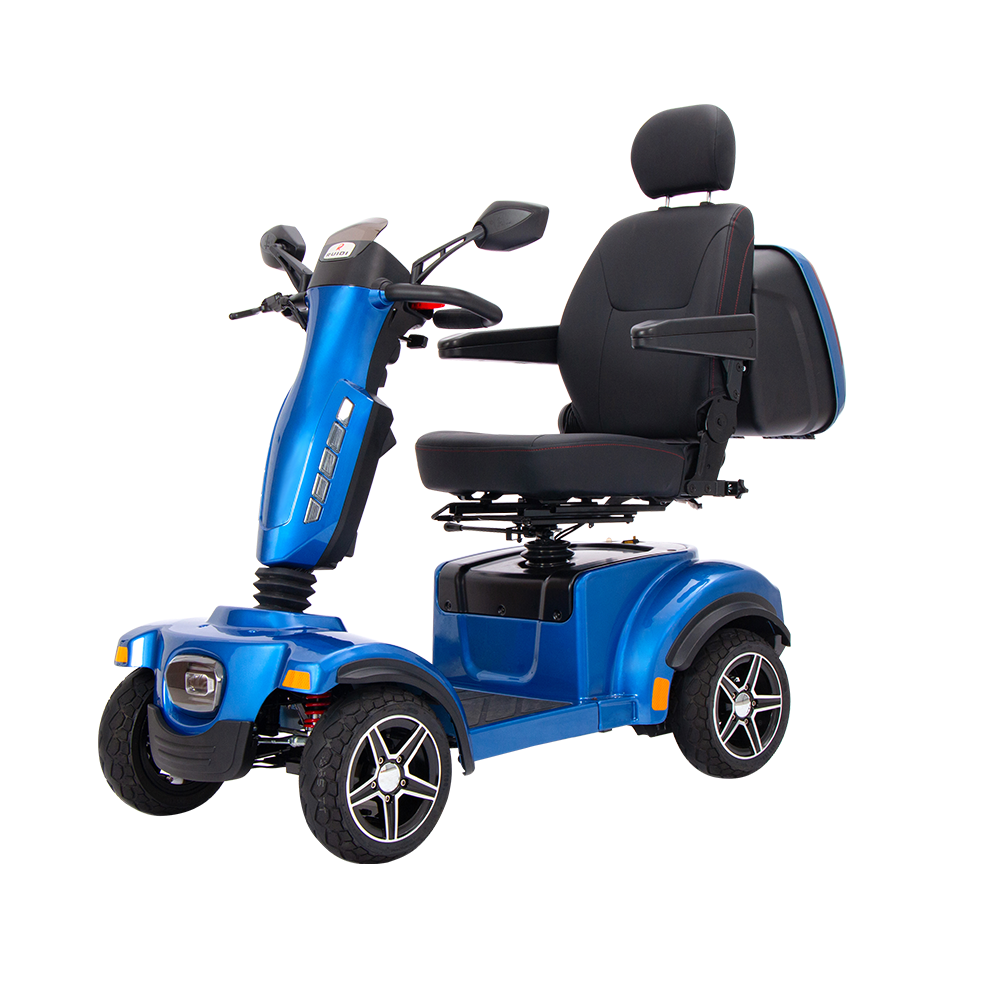
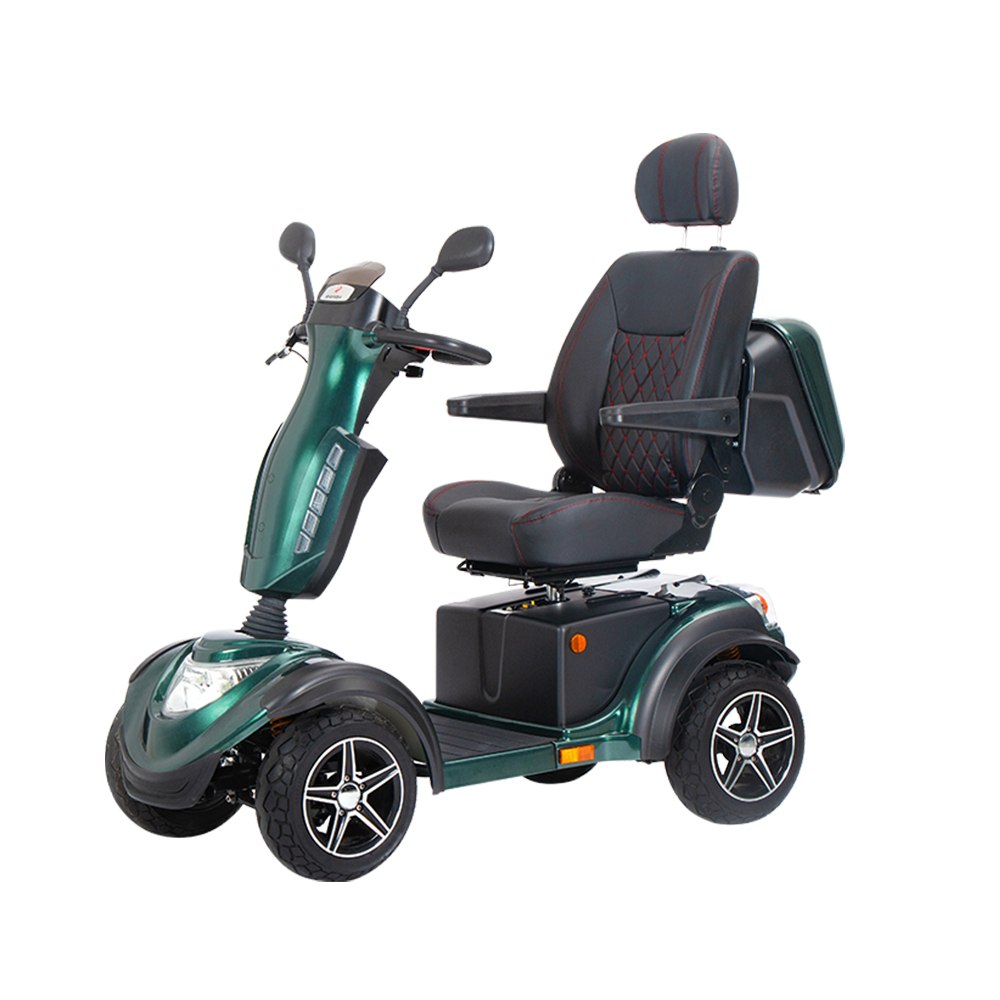
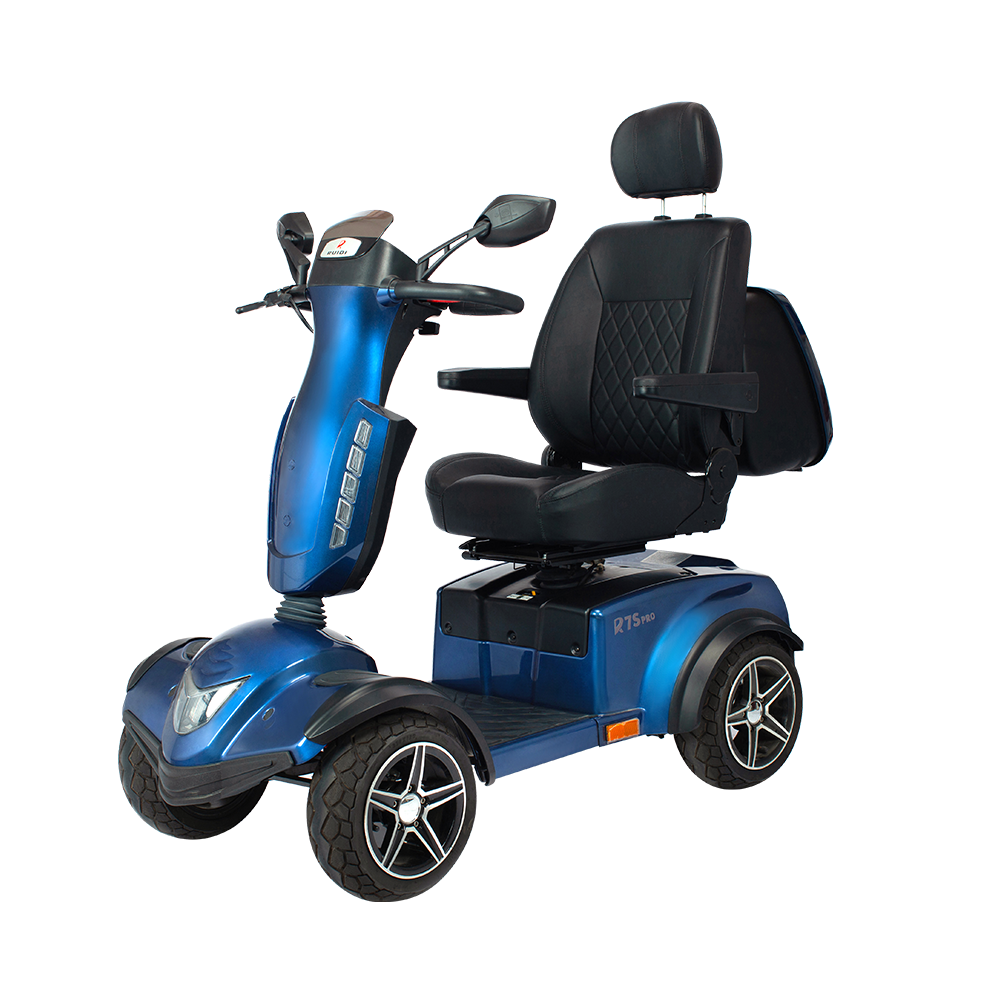
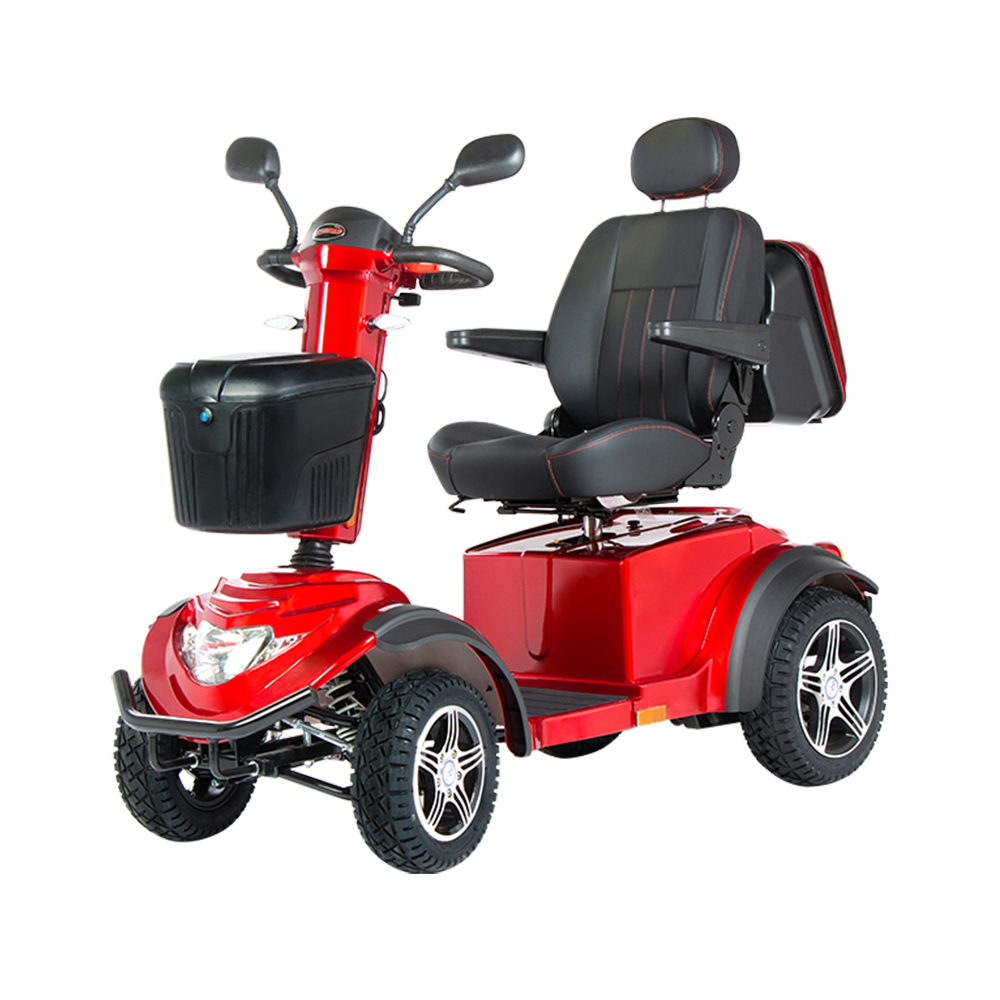
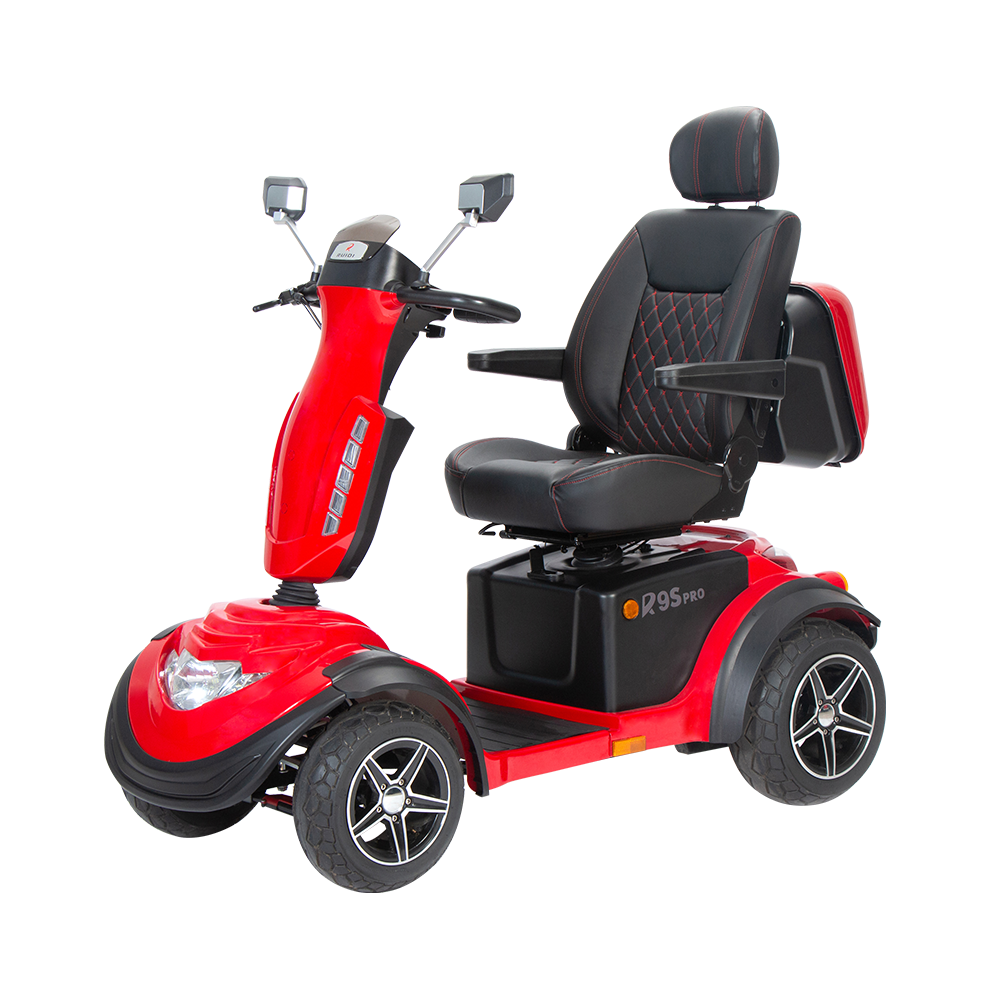
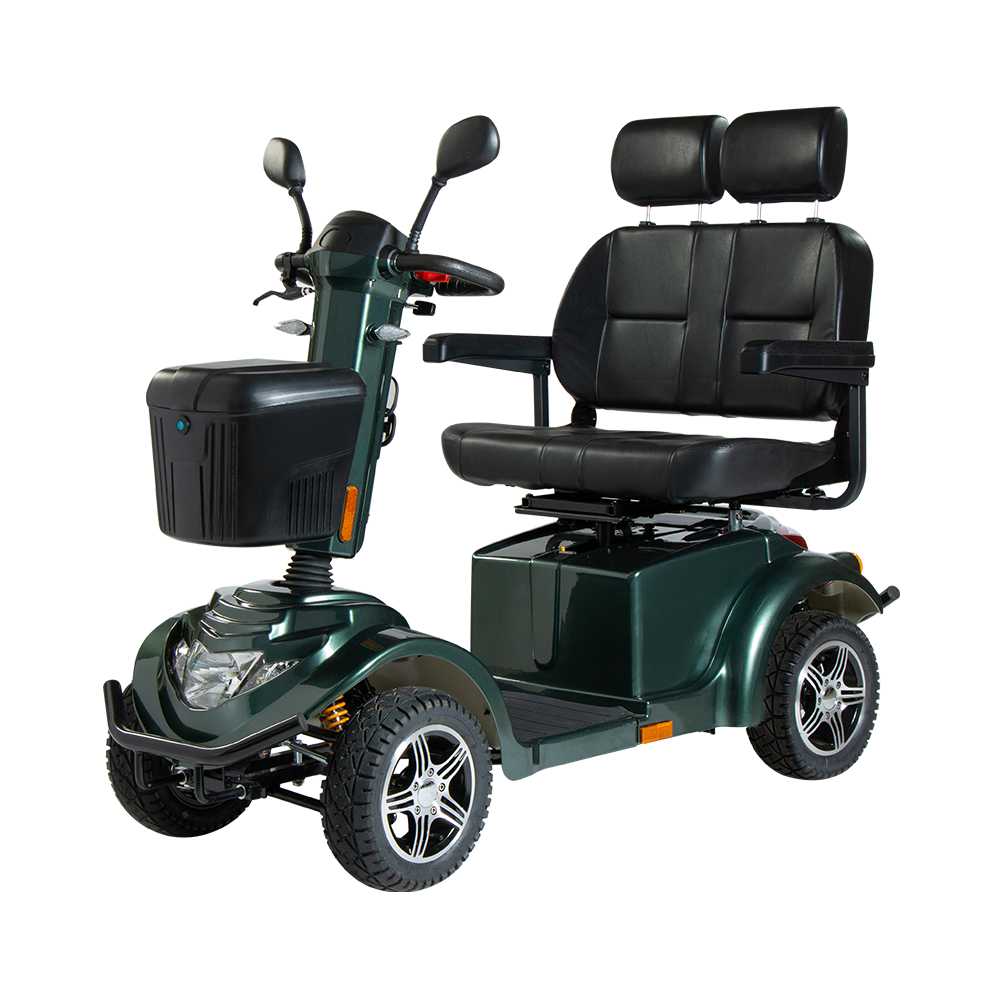
Medium-size scooters are built around a balance of agility, comfort and range. A reinforced chassis and suitable suspension can help maintain a stable ride across different road surfaces. The seat and chassis should therefore be considered as parts of one system. A Comfortable Seat Mobility Scooter in this category needs a seating arrangement that works with the scooter's overall structure and movement.
Range Only Counts When the Ride Is Pleasant
A high-capacity battery supports extended mileage for daily city travel, but the advertised range does not describe the entire riding experience. Comfort influences how much of that range a rider is willing to use. Someone who feels jolted or stiff after twenty minutes may decide to head home even when substantial battery capacity remains.
When comparing a Comfortable Seat Mobility Scooter with a model that advertises a longer range, buyers can consider how far they expect to travel in one sitting. The answer should reflect actual routines, including shopping trips, visits and the distance between regular destinations. Battery capacity and seating comfort address different needs, so both deserve attention.
A Five-Minute Test-Ride Routine
A short test ride can reveal details that photographs and product descriptions cannot show. Before comparing speed or battery range, shoppers can check how the scooter feels while sitting and moving:
-
Sit for five minutes with feet flat and hands resting on the controls. Notice whether pressure builds around the seat or lower back.
-
Step on and off twice, as would happen at a curb or shop entrance.
-
Ride over a rough patch, such as paving seams or a curb ramp, and pay attention to the movement reaching the seat.
-
Turn and look over a shoulder to check whether the seat and backrest allow comfortable movement.
These simple checks help distinguish mobility scooters with comfortable seating from models that appear suitable in photographs but feel different during actual use. A Comfortable Seat Mobility Scooter should remain supportive during ordinary movements as well as straight-line riding.
What the Seat Says About the Whole Scooter
A seat can reveal how the scooter has been arranged for everyday use. Its height, backrest, armrests and position affect how riders sit, reach the controls and get on or off. Chassis construction and suspension also influence the experience, particularly on routes with uneven paving or frequent changes in surface.
A Comfortable Seat Mobility Scooter that brings these elements together can support a more consistent riding experience throughout the day. As populations age and personal mobility needs change, seating comfort is likely to remain an important consideration when comparing scooters. The practical measure is whether the ride still feels manageable after several hours of ordinary activities, not simply during a short demonstration.

 No.58 Feiyang Road , Jinhua 321025, Zhejiang, China
 +86-13905796145

 +86-579-82268015