

 English
 中文简体
中文简体 Español
 Deutsch
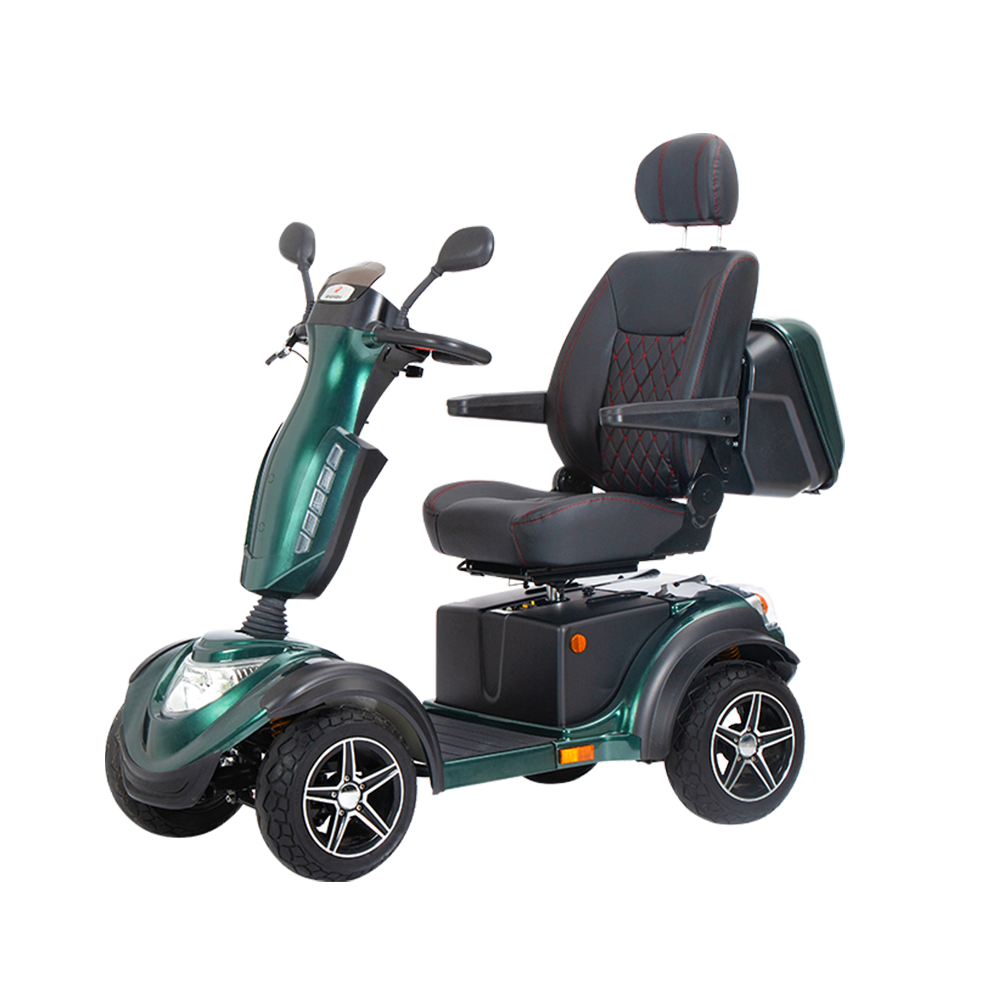
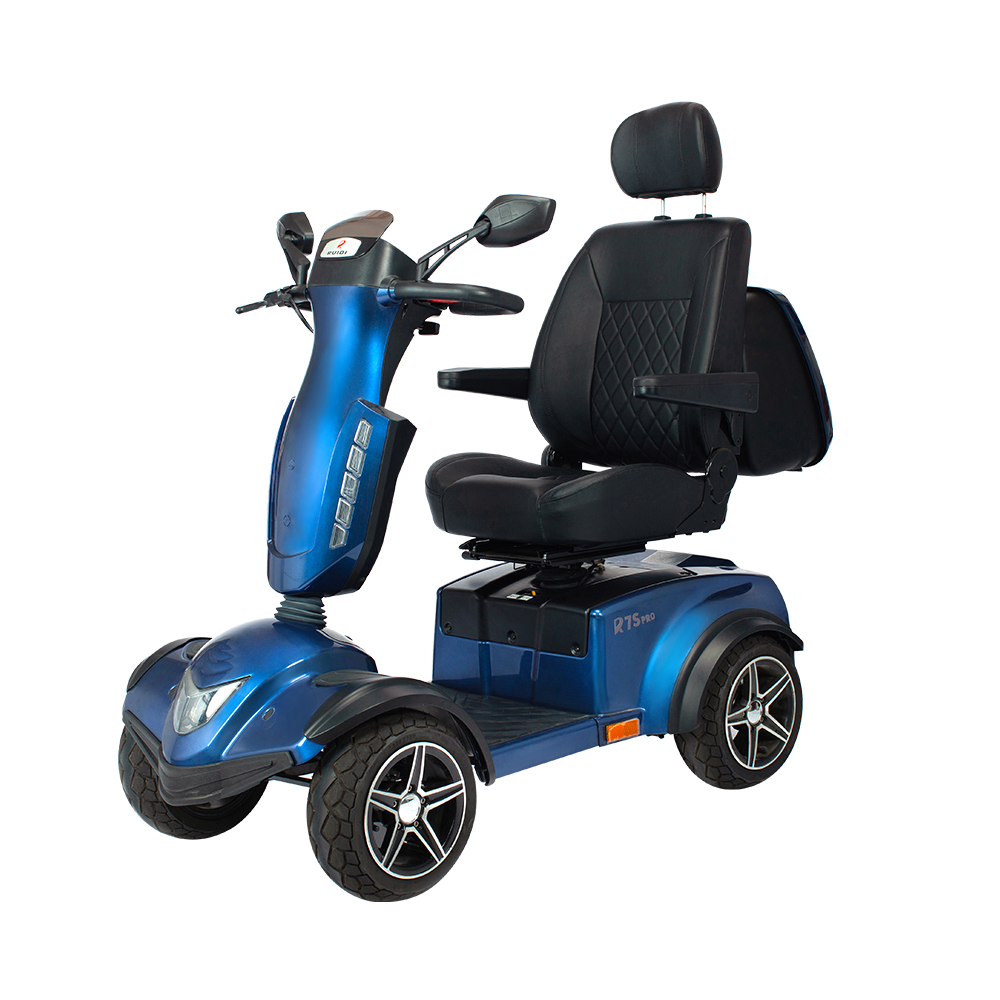
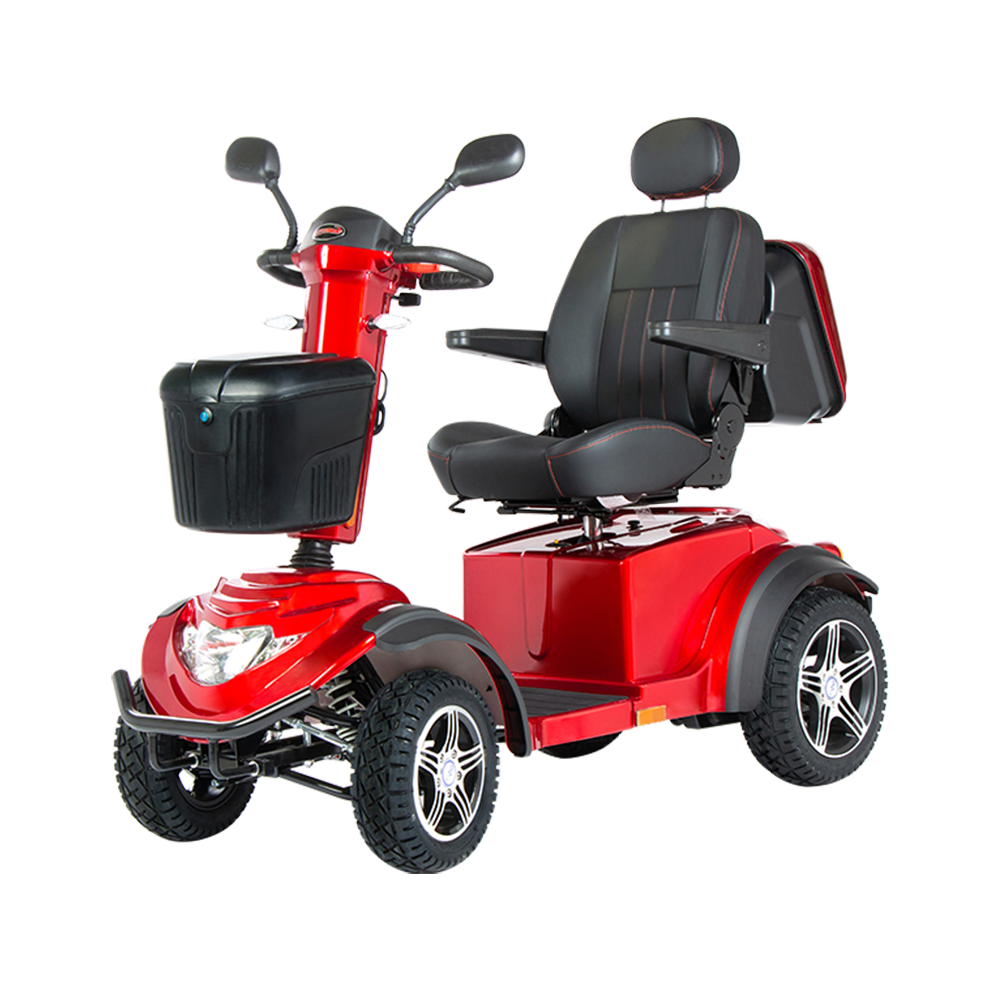
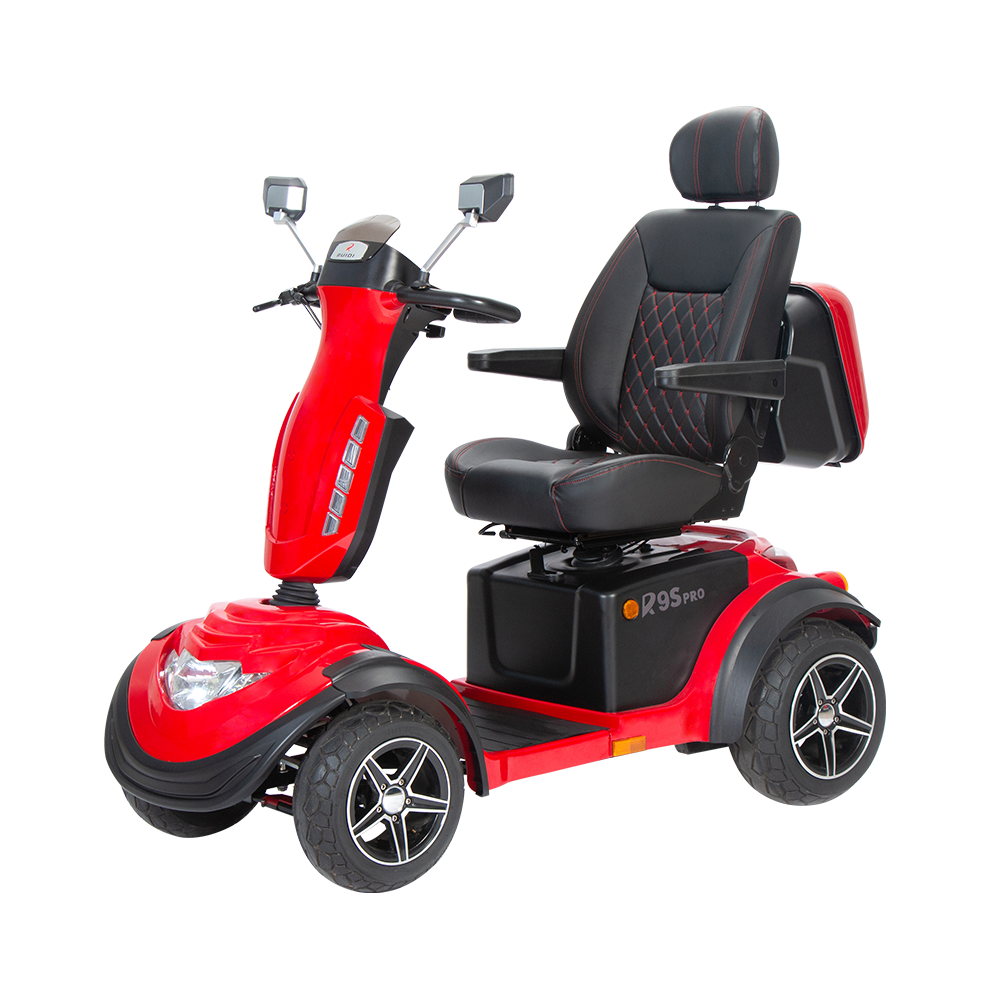
A parent skipping the grocery run because the parking lot feels too far, or a grandmother declining a family outing because standing in line wears her out, are the kinds of small signals that usually come before a bigger conversation about mobility equipment. Deciding whether a mobility scooter for elderly users actually helps, rather than just adding another device to store, depends on physical ability, home layout, and how the person actually spends their day.
Reading The Early Signs
Fatigue after short walks, hesitation on uneven sidewalks, or avoiding errands that used to be routine are common early indicators that walking alone is becoming harder to sustain. A mobility scooter for elderly individuals isn't meant to replace walking entirely; it's meant to extend independence for distances or activities that have started to feel out of reach. Occupational therapists often recommend evaluating actual daily routines, grocery trips, medical appointments, as well as family visits, before assuming a scooter is the right fit, since some situations call for a cane or walker instead.
The distinction matters because a scooter suits people who can transfer safely from a seated position and have reasonable upper body control, but who struggle with sustained walking distance or standing balance over time.
Matching Scooter Type To Living Situation
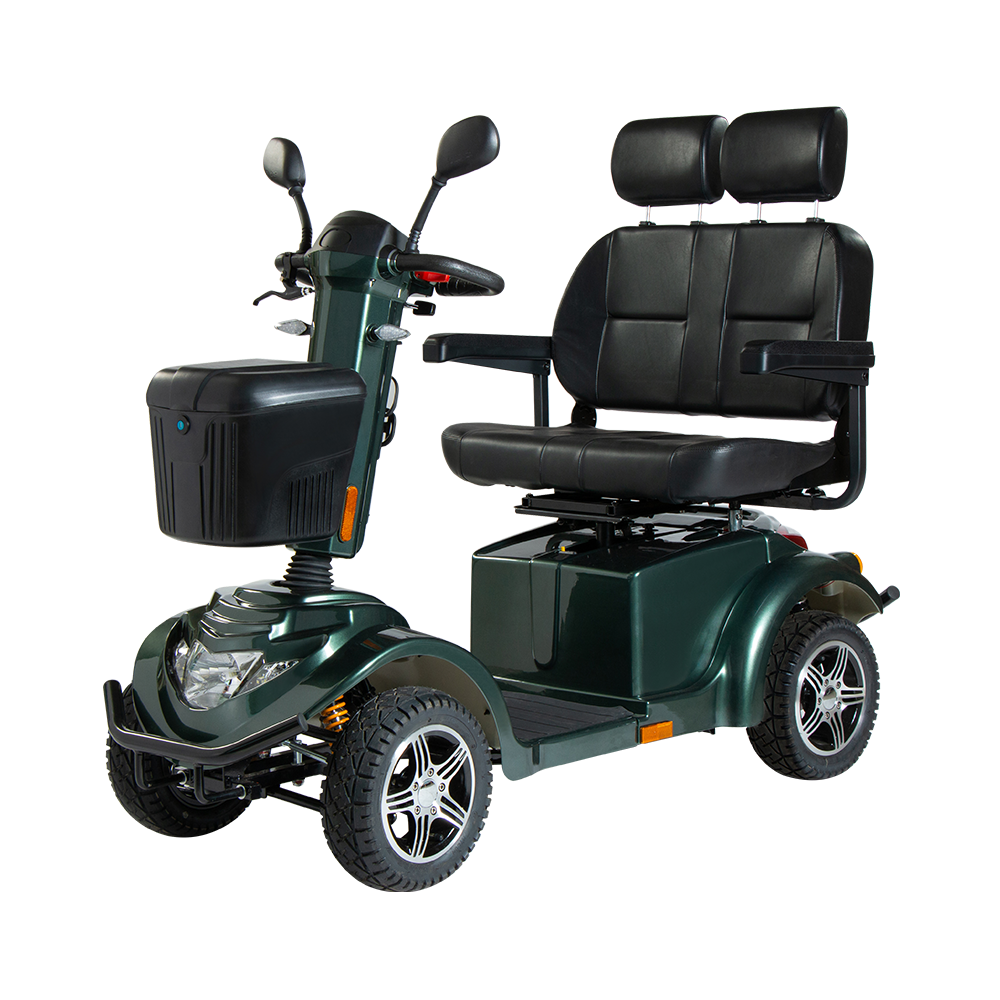
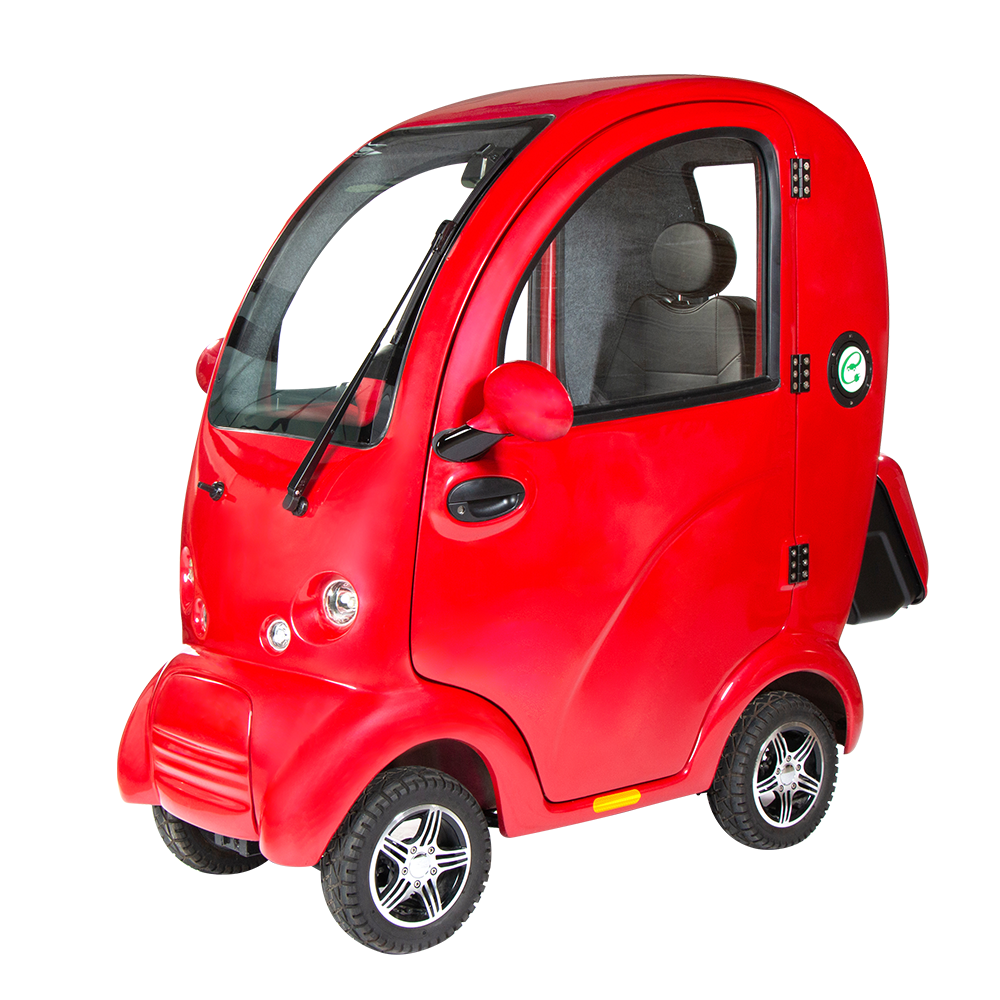
Not every senior needs the same configuration, and the right choice depends heavily on where the person lives and how far they typically travel in a single outing.
|
Living Situation |
Suggested Scooter Type |
Key Consideration |
|
Apartment with narrow hallways |
Compact or mini scooter |
Turning radius and doorway width |
|
Suburban home with a garage |
Mid-size scooter |
Storage space and charging access |
|
Frequent car travel or visits |
Foldable or disassembling model |
Component weight for lifting into a trunk |
|
Rural property with uneven paths |
Larger scooter with higher ground clearance |
Stability on gravel or grass |
|
Assisted living facility |
Compact scooter with tight turning radius |
Indoor navigation through common areas |
A mobility scooter for elderly relatives in an assisted living setting has very different requirements from one intended for someone still driving to run their own errands, which is why matching the unit to the actual environment matters more than picking the feature-heavy model on a catalog page.
Safety Features Worth Confirming
Beyond size and range, a handful of safety-related specifications deserve attention before purchase. Anti-tip wheel configurations reduce the risk of tipping on uneven surfaces or during turns. Automatic braking that engages when the throttle is released prevents unintended rolling on slopes. Adjustable tiller and seat positioning allow the scooter to be set up for the user's specific height and reach rather than a generic default. Bright headlights and reflective elements matter for anyone using the scooter near dusk or in poorly lit parking areas.
A senior mobility scooter intended for outdoor use should also carry a weight capacity rating with some margin above the user's actual body weight, since batteries and motors both work harder near the upper limit of their rated load.
Understanding Cost And Coverage
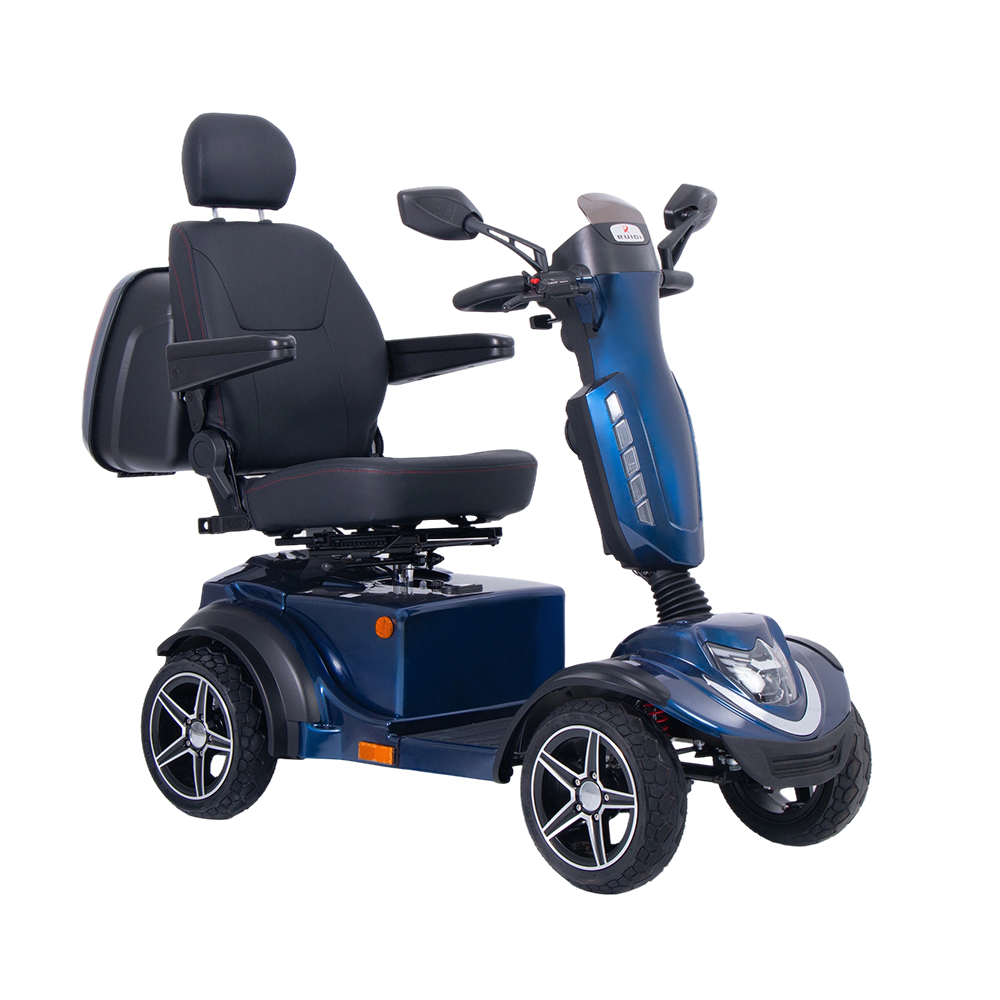
Pricing for a mobility scooter for elderly buyers varies widely based on battery capacity, frame material, and portability features, and family members researching options often assume coverage works the same way across regions when it doesn't. In the United States, Medicare may cover a portion of the cost when a physician documents medical necessity, though the approval process typically requires a face-to-face evaluation and specific paperwork before purchase. In other markets, private insurance or local mobility assistance programs may apply instead, so confirming requirements early avoids paying out of pocket for something that could have been partially reimbursed.
Buyers comparing a senior mobility scooter against a wheelchair for insurance purposes should also check whether the intended use, indoor versus outdoor, meets the specific criteria a given program requires, since some policies distinguish sharply between the two categories.
Involving The Right People In The Decision
Choosing equipment in isolation, without input from the person who will actually use it, tends to produce scooters that sit unused in a garage. Involving the senior directly in test rides, discussing which errands matter to them, and confirming they feel comfortable with the controls generally leads to better long-term use than a decision made entirely by family members on their behalf.
Suppliers and manufacturers producing a mobility scooter for elderly users at scale can support this process by offering demonstration units, clear specification sheets, and after-sales service that addresses the maintenance questions families raise once the scooter becomes part of daily life rather than a one-time purchase.

 No.58 Feiyang Road , Jinhua 321025, Zhejiang, China
 +86-13905796145
 +86-579-82268015