

 English
 中文简体
中文简体 Español
 Deutsch
A Short Trip Is Not Always Easy
For many older adults, the hardest journey of the day is often the shortest one.
The local grocery store may only be a few hundred meters away. The pharmacy might be visible from the apartment entrance. Still, for seniors dealing with joint pain, reduced stamina, or balance issues, these routine trips slowly become less frequent.
That shift happens quietly. People start avoiding unnecessary outings. Then even simple errands begin requiring help from family members or neighbors.
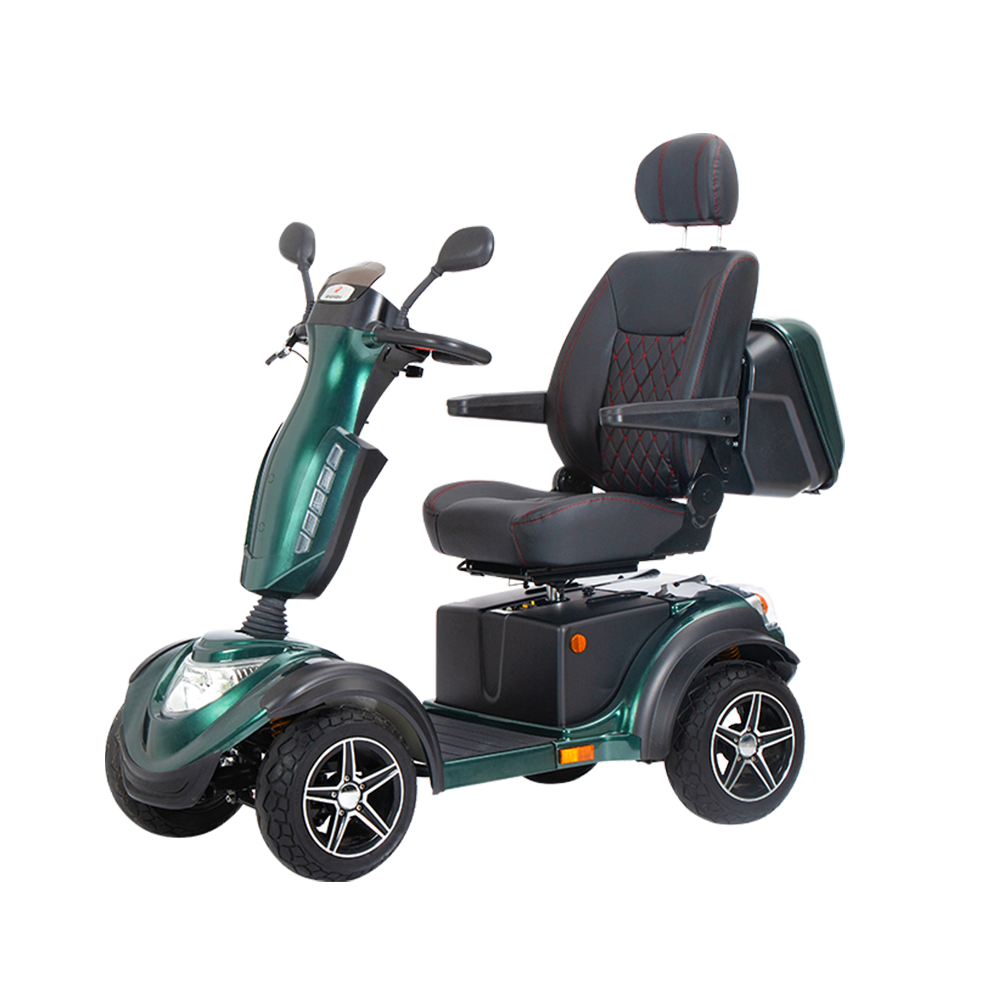
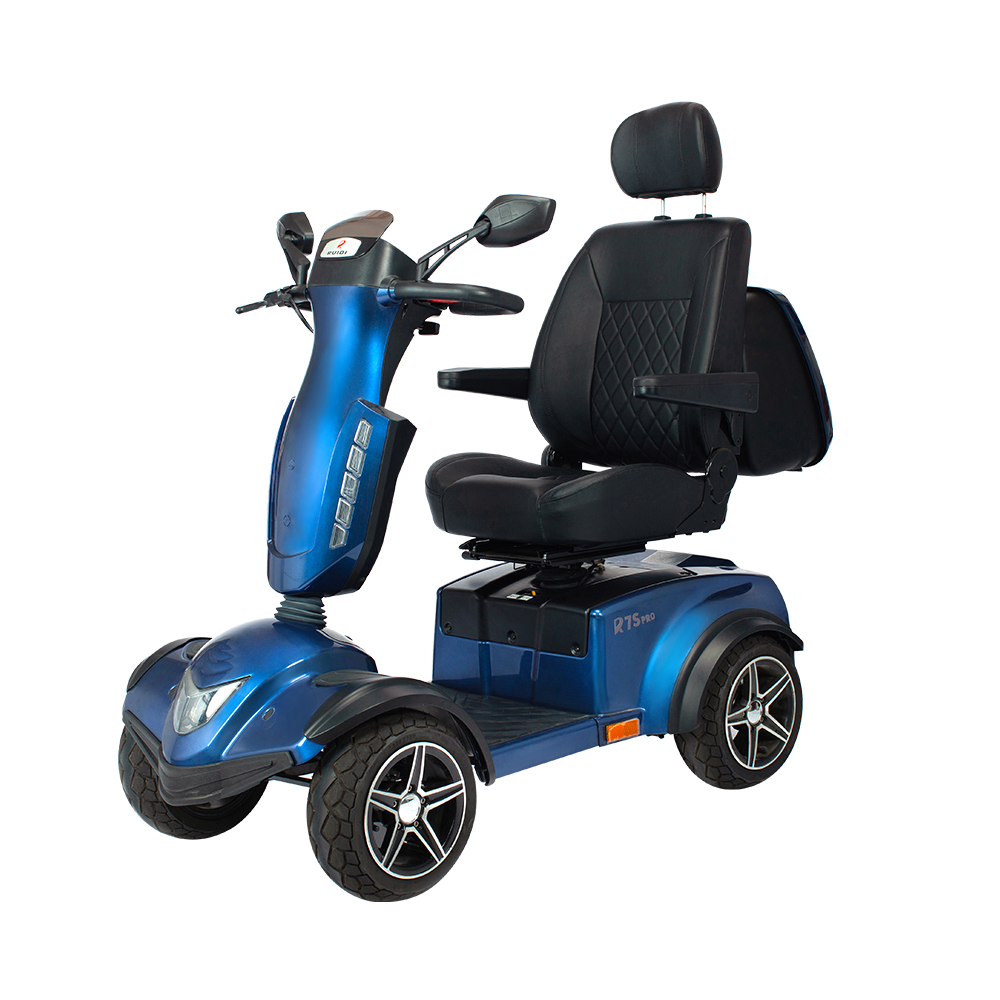
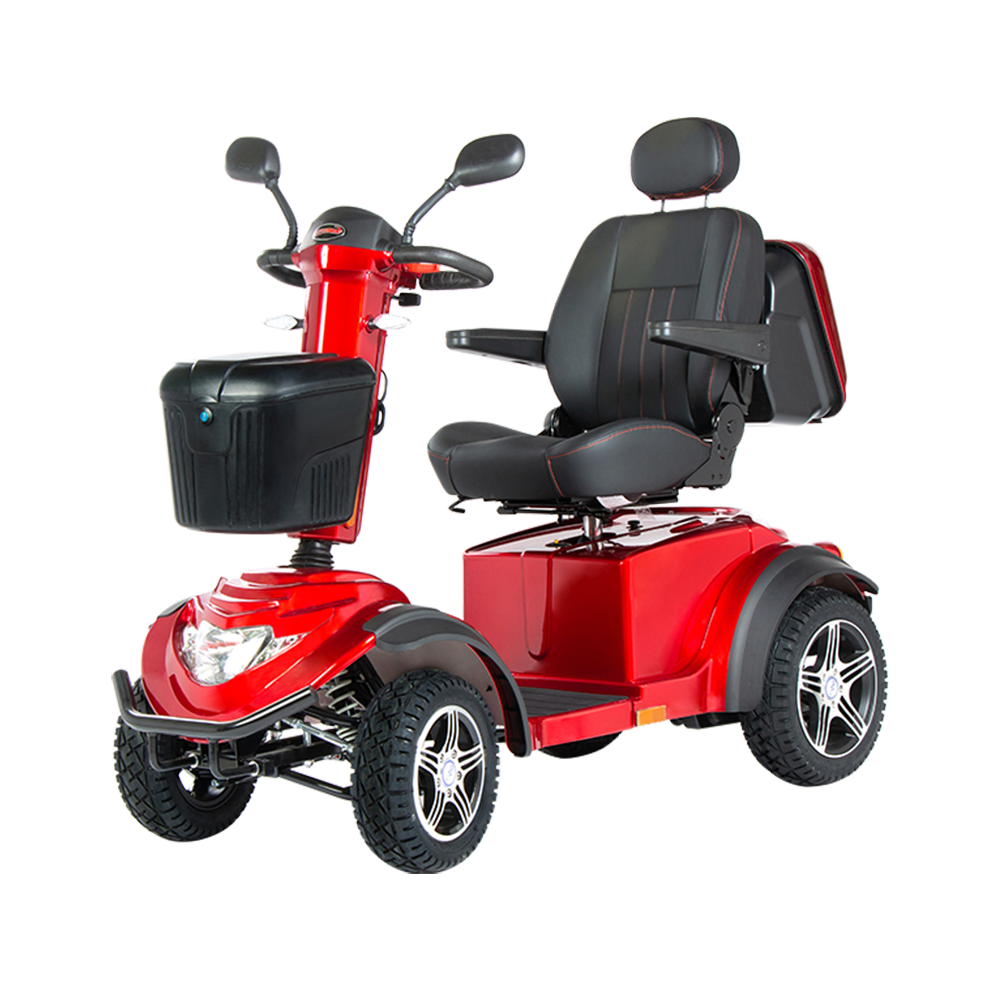
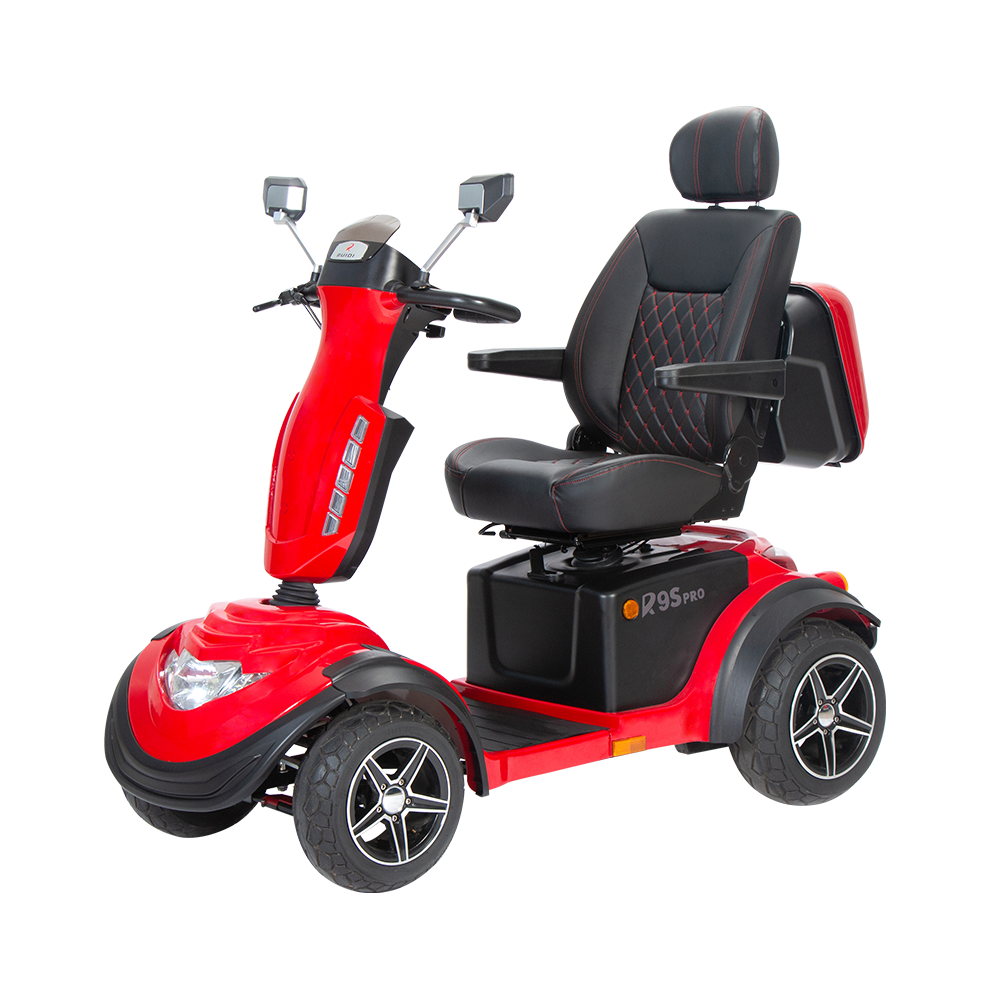
This is one reason why small portable mobility scooters are receiving more attention in aging communities.
Why Traditional Mobility Aids Are Sometimes Not Enough
Canes and rollators help support balance, but they do not solve distance-related fatigue. Larger electric wheelchairs, while useful in some situations, are often difficult to transport and not always practical for small urban trips.
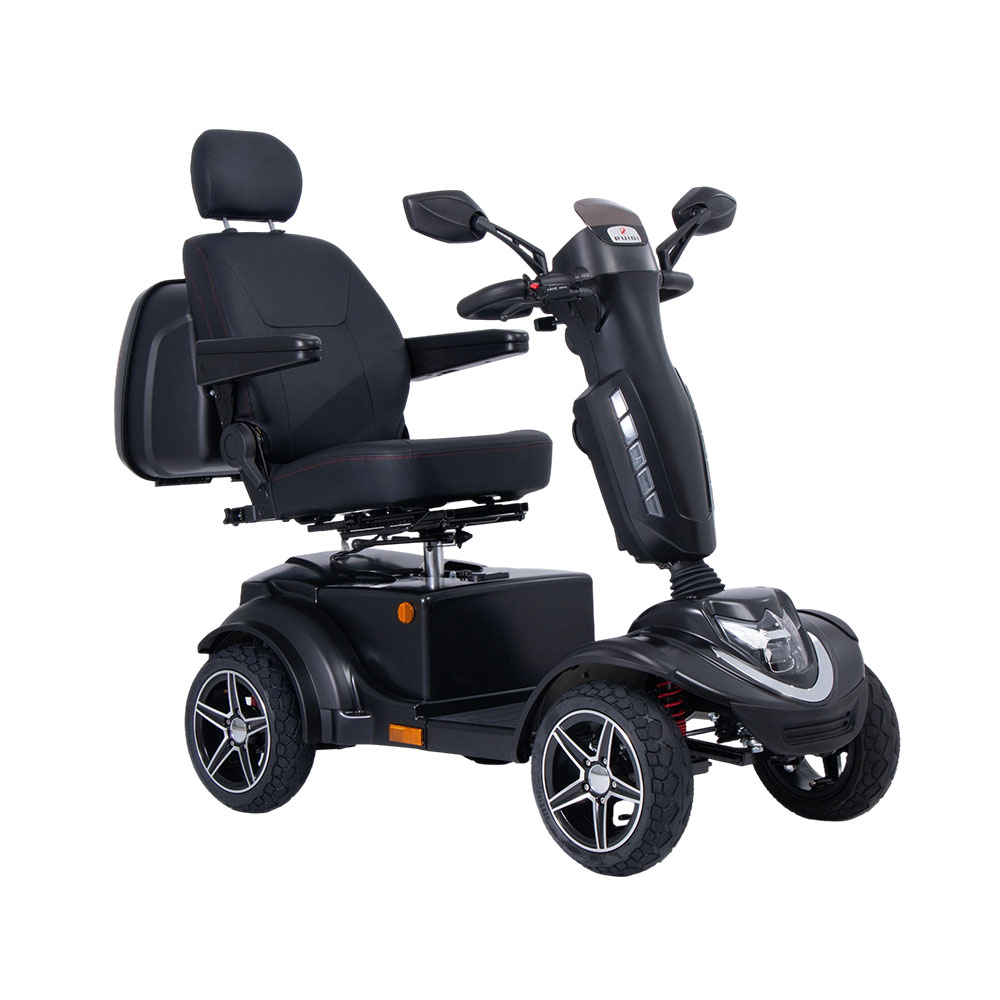
In contrast, small portable mobility scooters are designed around short-distance daily movement. Many users rely on them for tasks that involve repeated stops — visiting nearby shops, reaching public transport stations, or moving through large residential complexes.
In real use, compact size matters more than many buyers initially expect.
A scooter that turns smoothly inside elevators or passes through narrow aisles can make everyday movement feel much less stressful.
Designed Around Real Urban Conditions
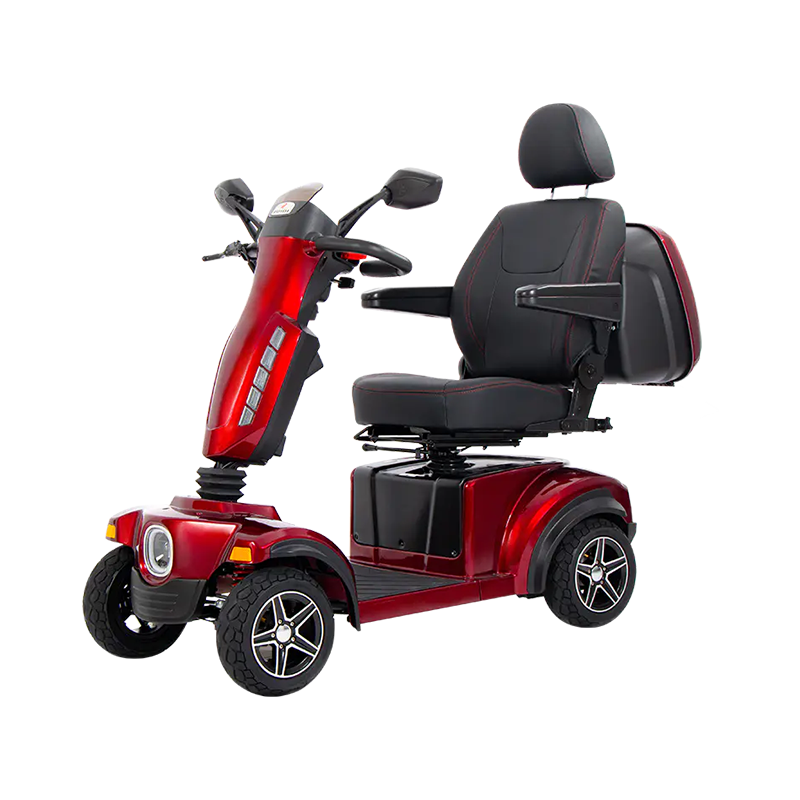
Manufacturers of small portable mobility scooters are increasingly focusing on practical city use rather than simply reducing vehicle size.
Some models now include:
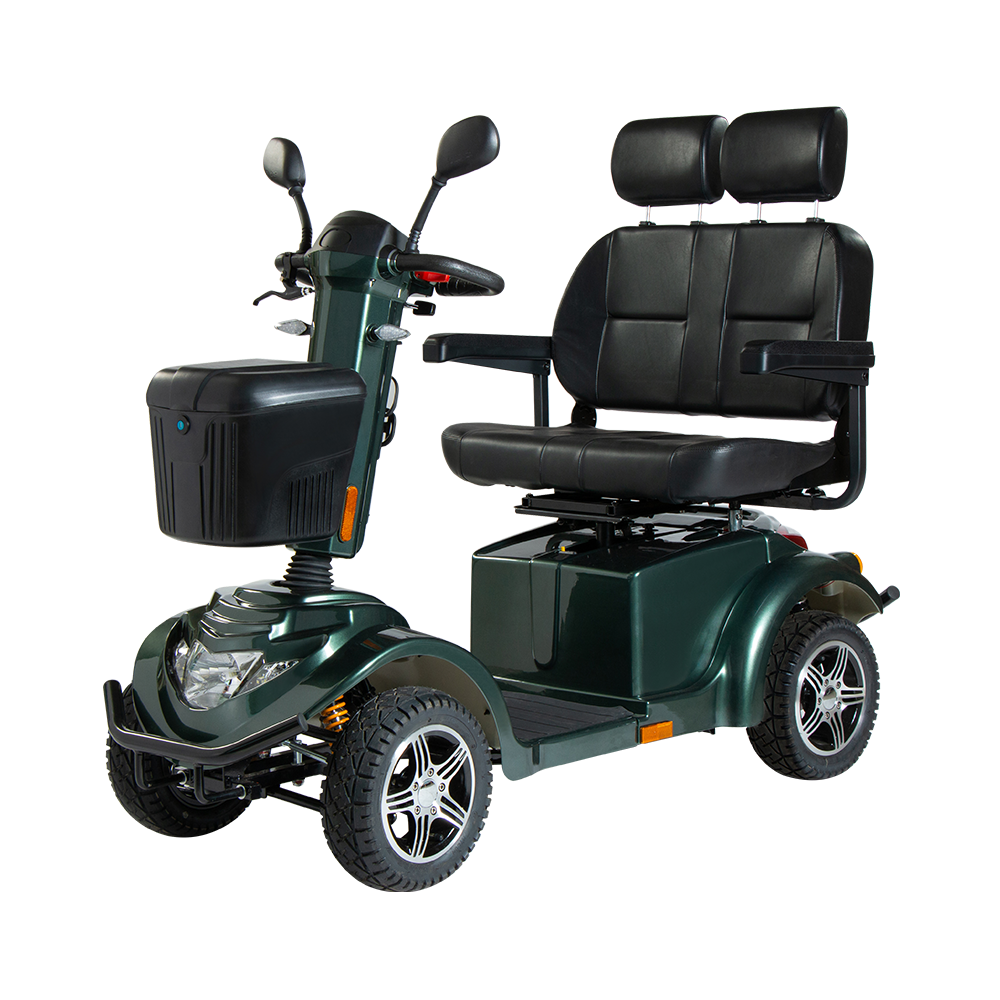
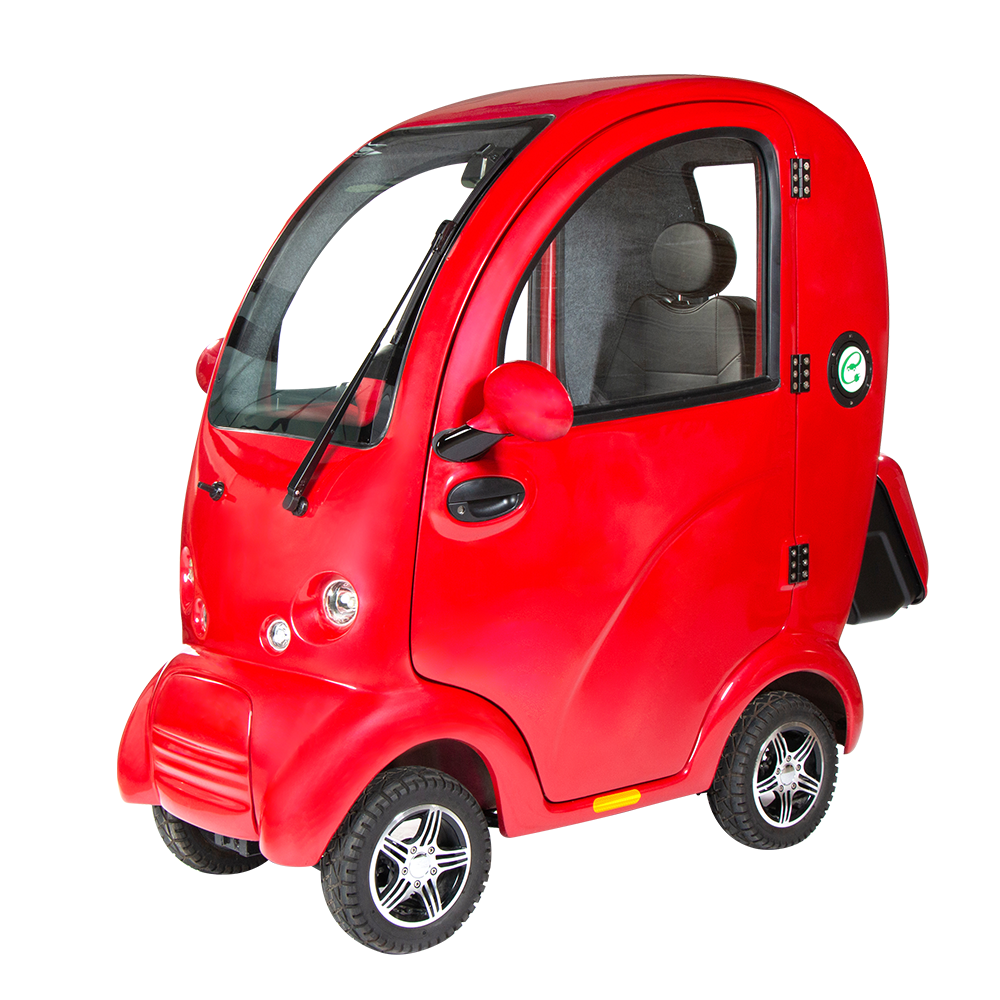
- Compact frames suitable for apartment elevators and supermarket aisles
- Lightweight removable batteries for indoor charging
- Foldable or modular structures for car transport
- Lower step-on platforms that reduce leg strain
- Tight turning capability in crowded pedestrian areas
A growing number of buyers searching for lightweight travel mobility scooters or portable mobility scooters for seniors are looking specifically for these features rather than upper range speed.
Everyday Use Looks Different Than Advertisements
In brochures, mobility products are often shown in large open spaces. Actual use is usually much less ideal.
A senior may need to leave a small apartment, navigate a narrow corridor, wait for an elevator, cross uneven pavement, and enter a crowded local store — all within one short trip.
This is where small portable mobility scooters tend to perform differently from heavier models.
Their smaller footprint helps users move naturally through spaces that were never designed for mobility equipment in the primary place.
For some people, the scooter is mainly used outdoors. Others use it indoors as well, especially in shopping centers or medical facilities where long walking distances become tiring after a short time.
More Independence, Less Daily Assistance
Families often notice changes after introducing small portable mobility scooters into daily routines.
Small errands that previously required assistance — buying groceries, collecting prescriptions, or visiting nearby community centers — may no longer require another person to accompany the user.
That does not remove caregiving responsibilities completely, but it changes the type of support needed.
In many households, these scooters reduce the number of short transportation requests throughout the week. Over time, that flexibility becomes valuable for both seniors and caregivers.
What Buyers Usually Focus On
People shopping for small portable mobility scooters often pay attention to portability first, but practical handling becomes equally important after regular use begins.
|
Feature |
Why Users Notice It |
|
Narrow turning radius |
Easier movement in elevators and small shops |
|
Lightweight removable parts |
Simpler loading into vehicles |
|
Battery range is around 20–30 km |
Enough for several local trips |
|
Compact frame width |
Better fit for sidewalks and indoor paths |
|
Low platform entry |
Less physical effort when getting on or off |
Interestingly, many repeat buyers no longer ask only about motor power. They ask how naturally the scooter fits into ordinary routines.
A Growing Role in Aging Communities
As populations continue aging, urban mobility discussions are gradually shifting toward shorter, everyday travel rather than long-distance transportation alone.
In this environment, small portable mobility scooters are becoming less associated with medical limitations and more connected with practical independence.
For many seniors, the goal is not traveling farther. It is continuing to do familiar things without needing constant assistance.

 No.58 Feiyang Road , Jinhua 321025, Zhejiang, China
 +86-13905796145
 +86-579-82268015