


 English
 中文简体
中文简体 Español
 Deutsch
Procurement teams across the mobility equipment sector are asking a familiar question this year: why has demand for small portable mobility scooters climbed so quickly among distributors and rehabilitation suppliers? The answer sits less in marketing copy and more in shifting user expectations, tighter shipping budgets, and a broader move toward equipment that travels with the person rather than staying fixed in one room.
A Shift in Procurement Priorities
Wholesale buyers used to prioritize raw power and seat size when sourcing mobility devices. Today, freight cost per unit, battery certification, and folded dimensions carry equal weight in purchasing decisions. A distributor stocking small portable mobility scooters now has to account for airline cabin rules, warehouse shelf height, and last-mile delivery vans that were never designed to carry bulky frames. Compact footprint has become a line item in its own right, sitting alongside price and warranty terms on comparison sheets sent to factories.
Buyers also weigh how a scooter performs once it leaves the pallet. End users increasingly split their day between home, transit, and outdoor errands, so a scooter that folds inside sixty seconds without tools has a real advantage over one requiring a second person to disassemble it. This single detail can decide whether a wholesale order goes to one supplier or another, regardless of how the frame looks on a spec sheet.
Engineering Behind the Fold
Folding mechanisms sound simple until an engineer has to keep them light, rigid, and safe under repeated use. Aluminum alloy frames dominate this category because they cut weight without sacrificing the load rating regulators expect. Hinge points need reinforced locking pins, since a scooter that rattles at the joint after a few months of daily folding quickly generates warranty claims.
Battery placement adds another layer of complexity. Lithium packs used in small portable mobility scooters sit low and central to keep the center of gravity stable during turns, and airline-compliant capacity limits shape how manufacturers size the pack from the outset. A factory building these folding mobility scooters for export markets has to design around IATA battery watt-hour limits during the initial prototype stage, not retrofit a pack later, or shipments get held at customs.
|
Design Factor |
Buyer Concern |
Typical Solution |
|
Frame weight |
Airline and freight limits |
Aircraft-grade aluminum |
|
Fold time |
Daily usability |
Single-lever folding hinge |
|
Battery capacity |
Customs and cabin rules |
Sub-300Wh lithium packs |
|
Turning radius |
Indoor navigation |
Shortened wheelbase |
Where Compact Scooters Fit in Daily Life
Usage patterns explain much of the pull toward smaller frames. Older adults living in multi-story apartments need a device that fits in an elevator and a car trunk on the same afternoon. Travel agencies renting equipment to tourists want something a front desk clerk can lift into a car without calling maintenance. Even hospital discharge programs now favor compact mobility devices that patients can store beside a bed rather than in a separate equipment room.
Distributors serving these buyers report that folded height and width, not top speed, decide repeat orders. A scooter that clears a standard doorway and slides under an airline seat covers the largest share of real-world scenarios, which is why so many catalogs now include folded dimensions for their small portable mobility scooters rather than motor wattage.
Materials and Battery Considerations
Rehabilitation suppliers auditing new vendors ask pointed questions about cell chemistry, charge cycles, and IP-rated water resistance for outdoor wheels. Suppliers who can document UN38.3 battery testing and CE or FDA registration move through vendor approval faster than those relying on generic spec sheets. Tire choice also matters more than it once did: solid tires reduce puncture risk for rental fleets, while pneumatic tires still win with buyers focused on ride comfort over rough pavement. Weight capacity ratings on lightweight travel scooters also draw closer scrutiny now that rental fleets serve a wider range of body types.
Sourcing from Established Manufacturers
Factories with a track record in this category tend to publish tooling capacity, certification lists, and MOQ terms upfront, which shortens the sourcing cycle for distributors comparing several suppliers at once. Buyers researching small portable mobility scooters as new entrants to a category often start with a factory's export history rather than its catalog, since customs clearance track record signals fewer delays down the line.
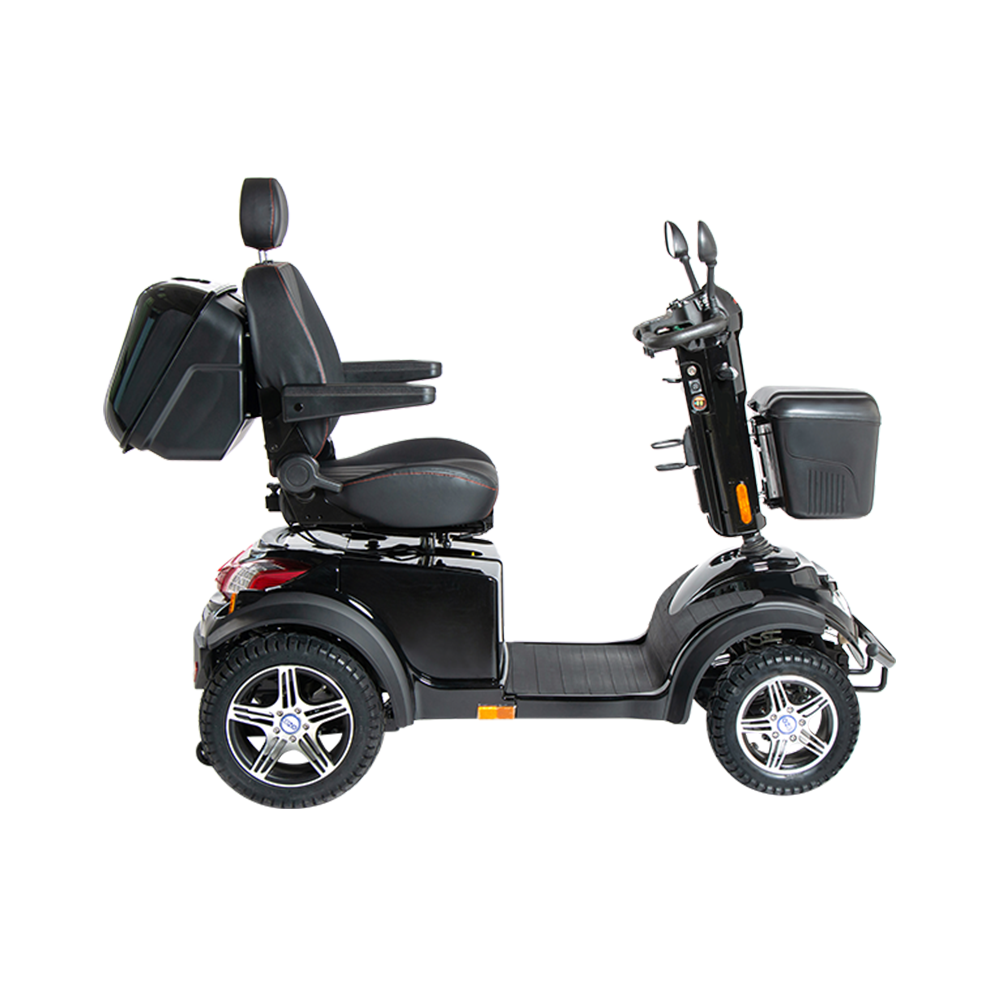
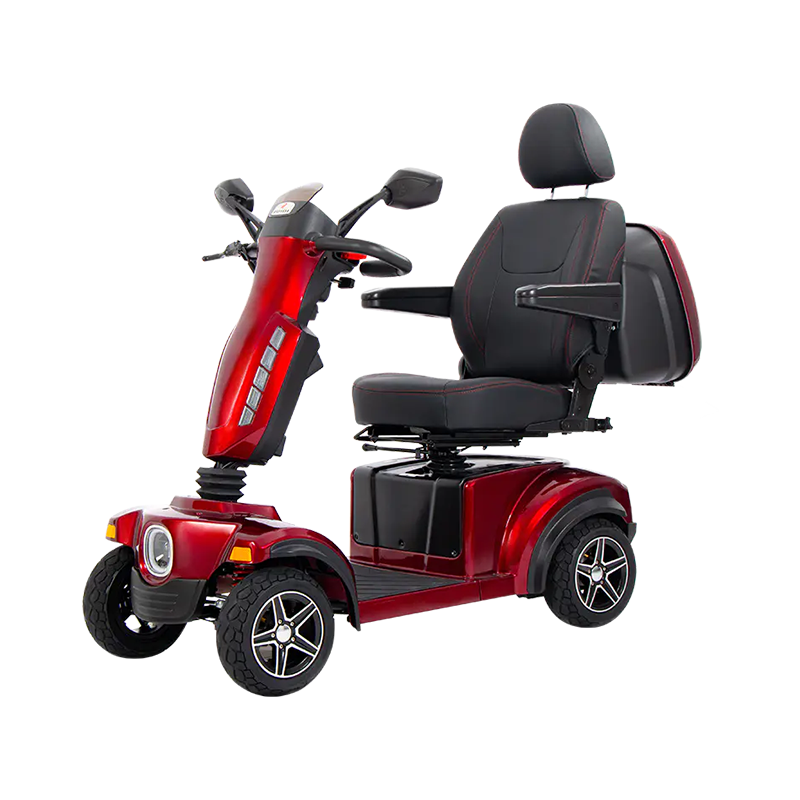
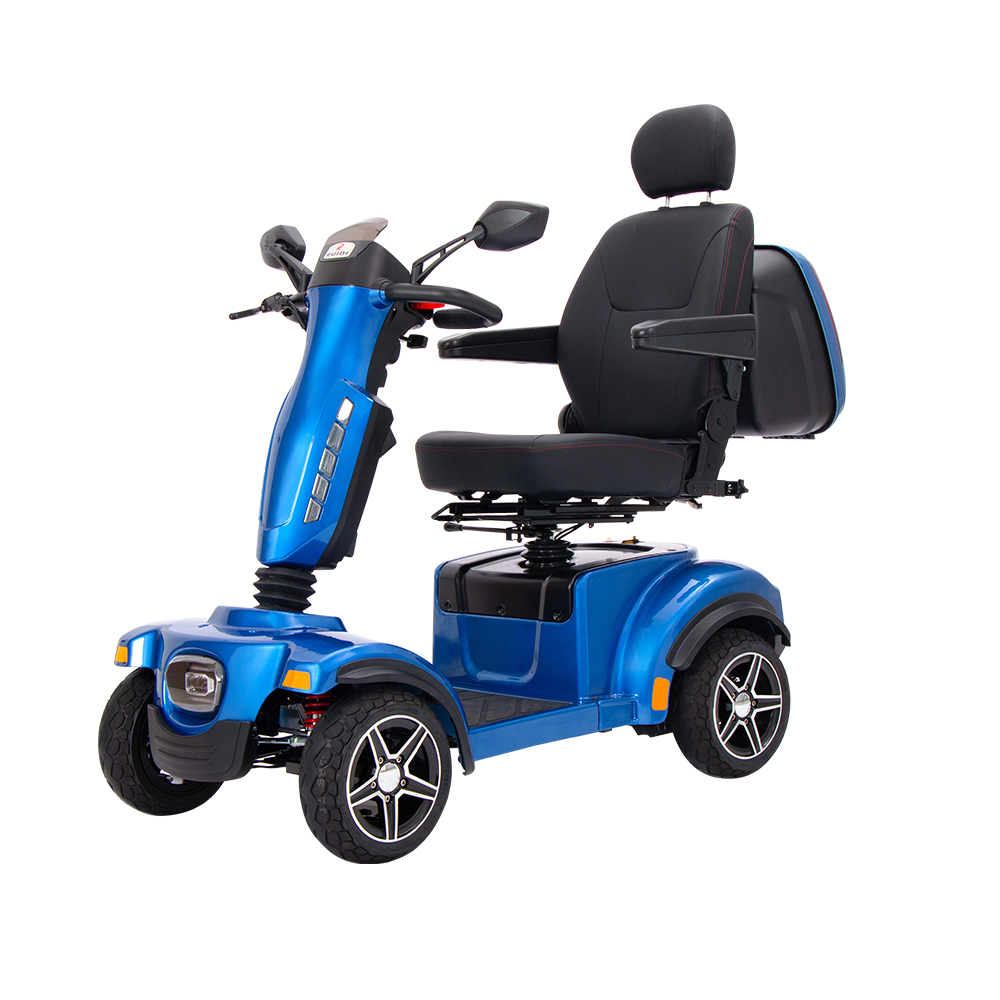
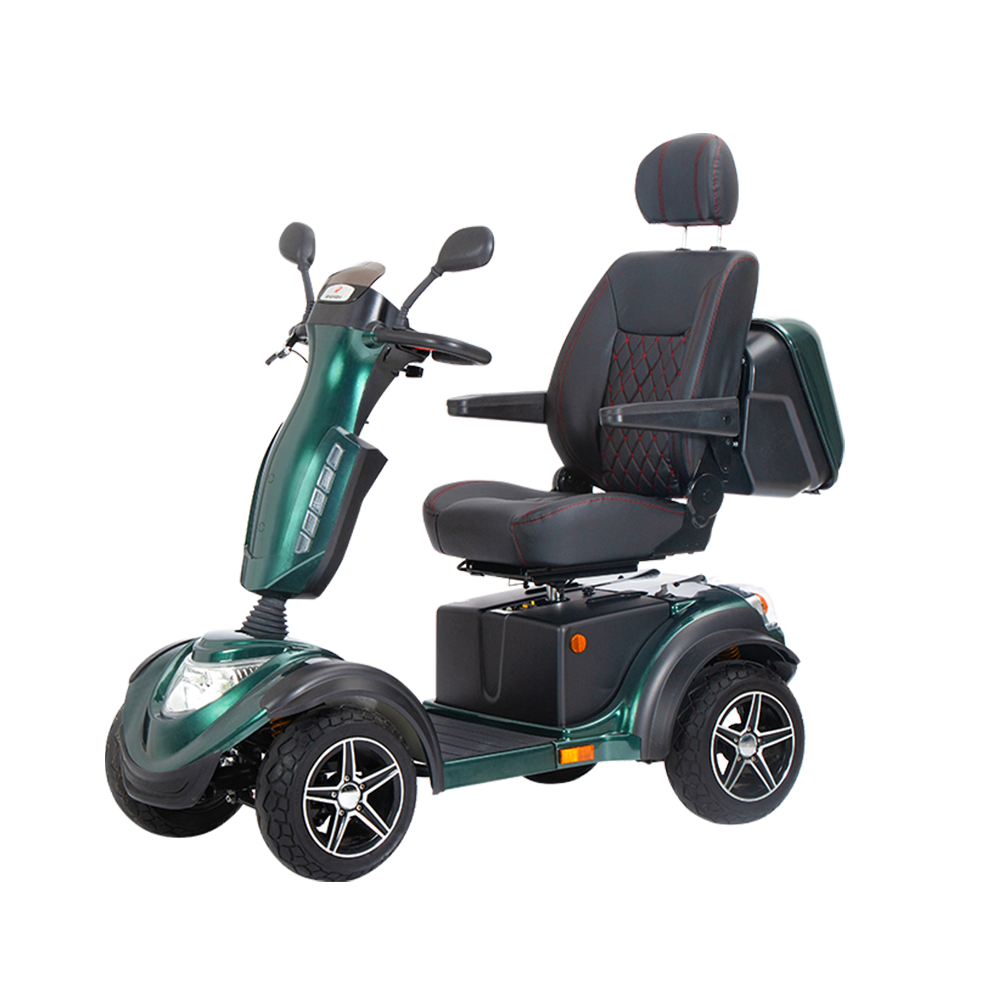
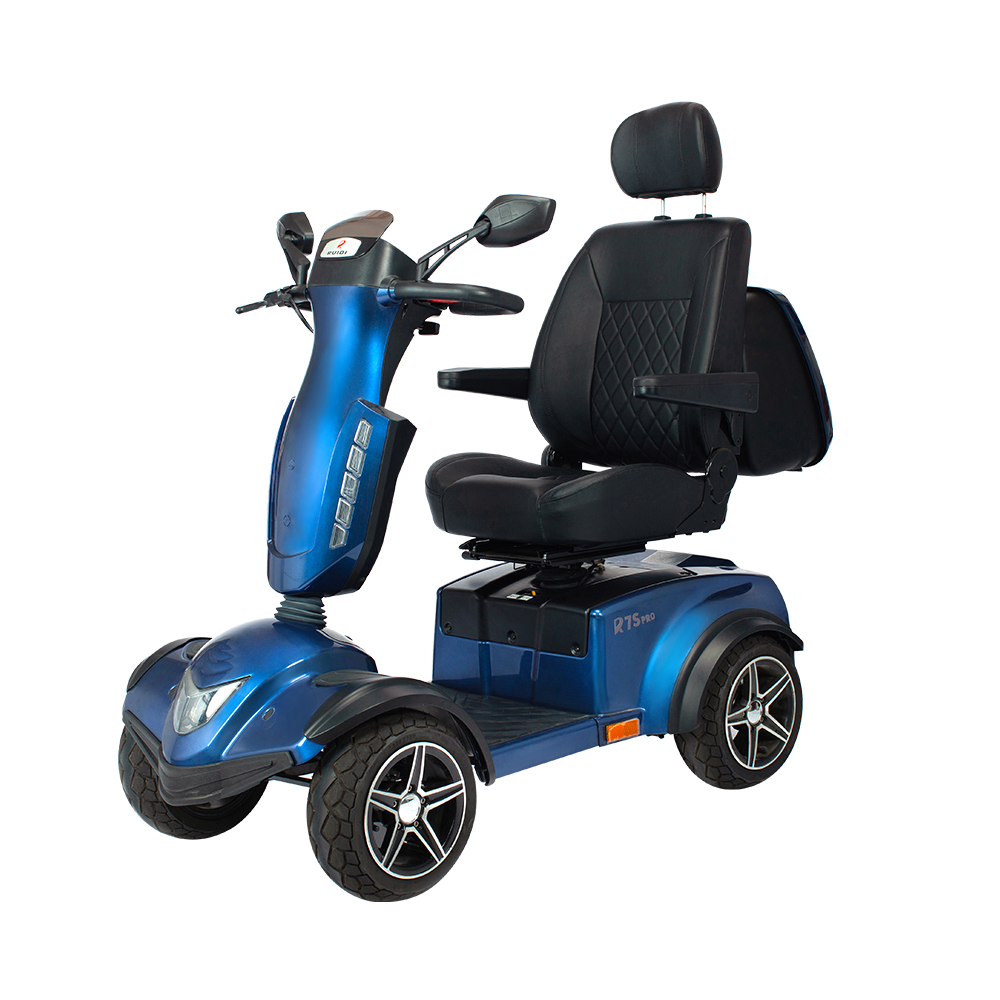
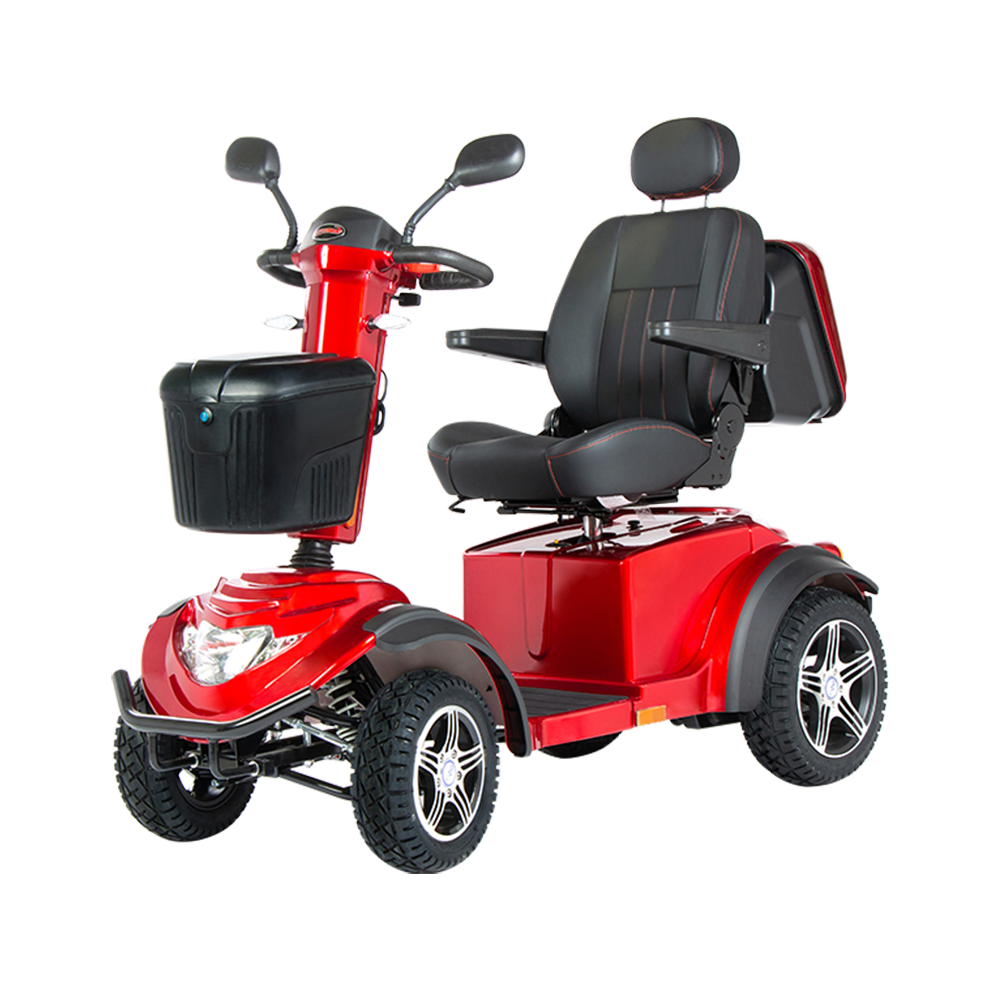
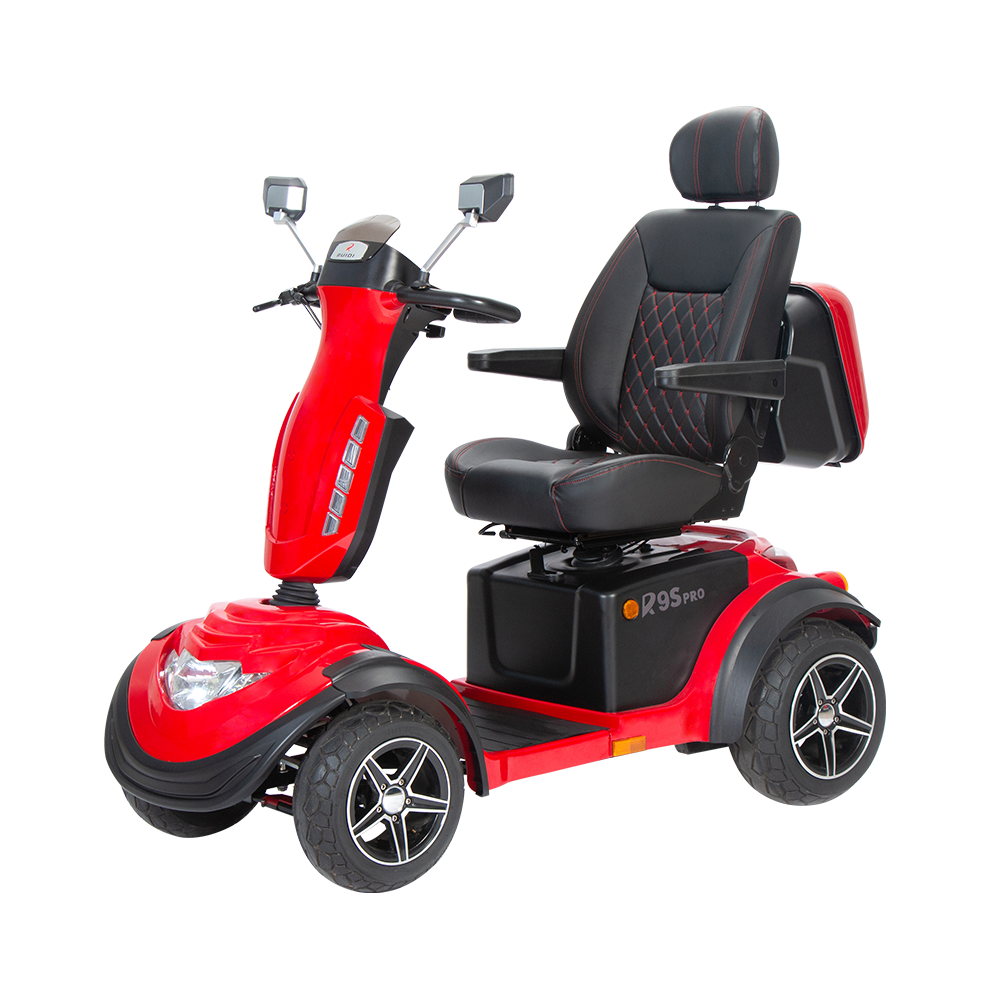
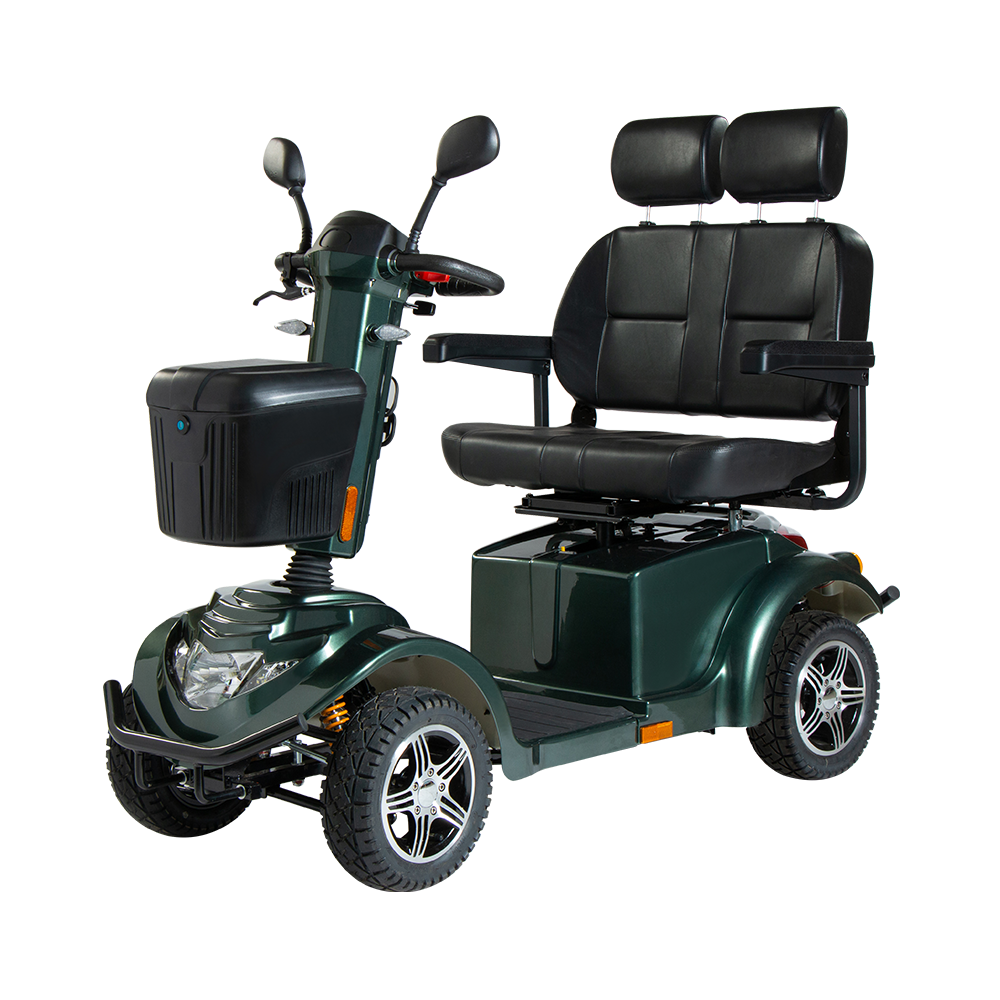
RUIDI Mobility, among manufacturers supplying this segment, positions its lineup of small portable mobility scooters around the folding hinge and battery compliance points buyers raise repeatedly during vendor calls, reflecting how sourcing conversations in this category have moved from price alone toward documented engineering detail.

 No.58 Feiyang Road , Jinhua 321025, Zhejiang, China
 +86-13905796145
 +86-579-82268015