

 English
 中文简体
中文简体 Español
 Deutsch
A distributor sourcing units for elderly-care retailers in Germany recently asked why two mini mobility scooters with near-identical footprints carried such different price tags. The answer sat inside the frame: one used a stamped-and-welded steel chassis, the other an aluminum structure engineered specifically to cut unsprung weight. For buyers evaluating a Mini Mobility Scooter program, that single distinction changes shipping cost, container loading, and warranty exposure long before the spec sheets get compared.
Two Frame Philosophies, Two Manufacturing Paths
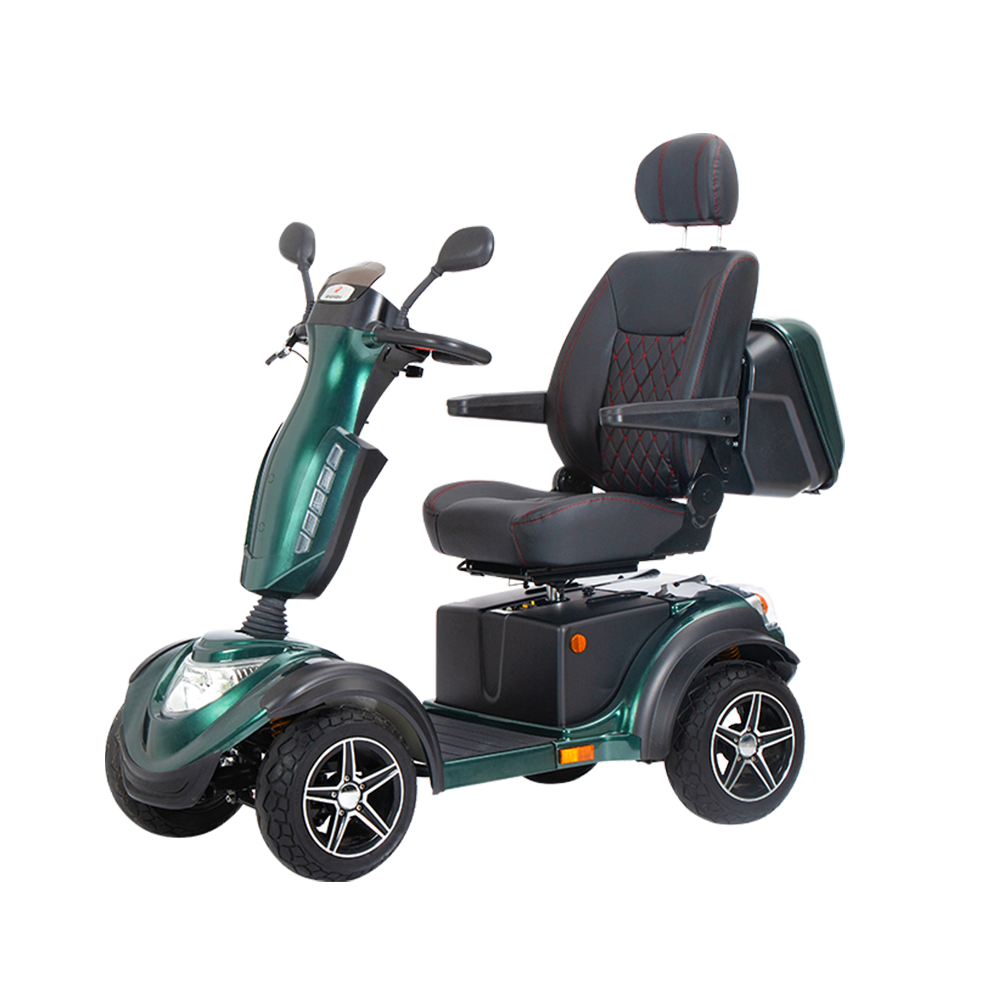
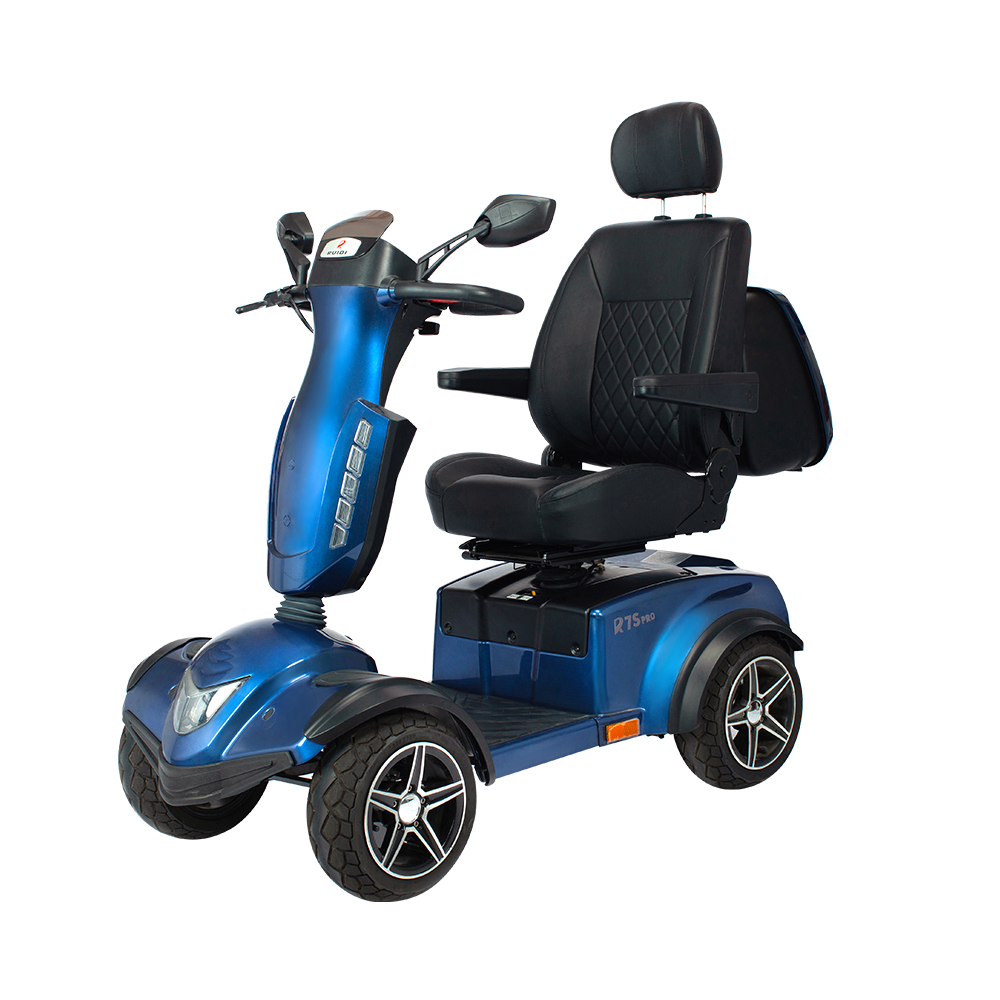
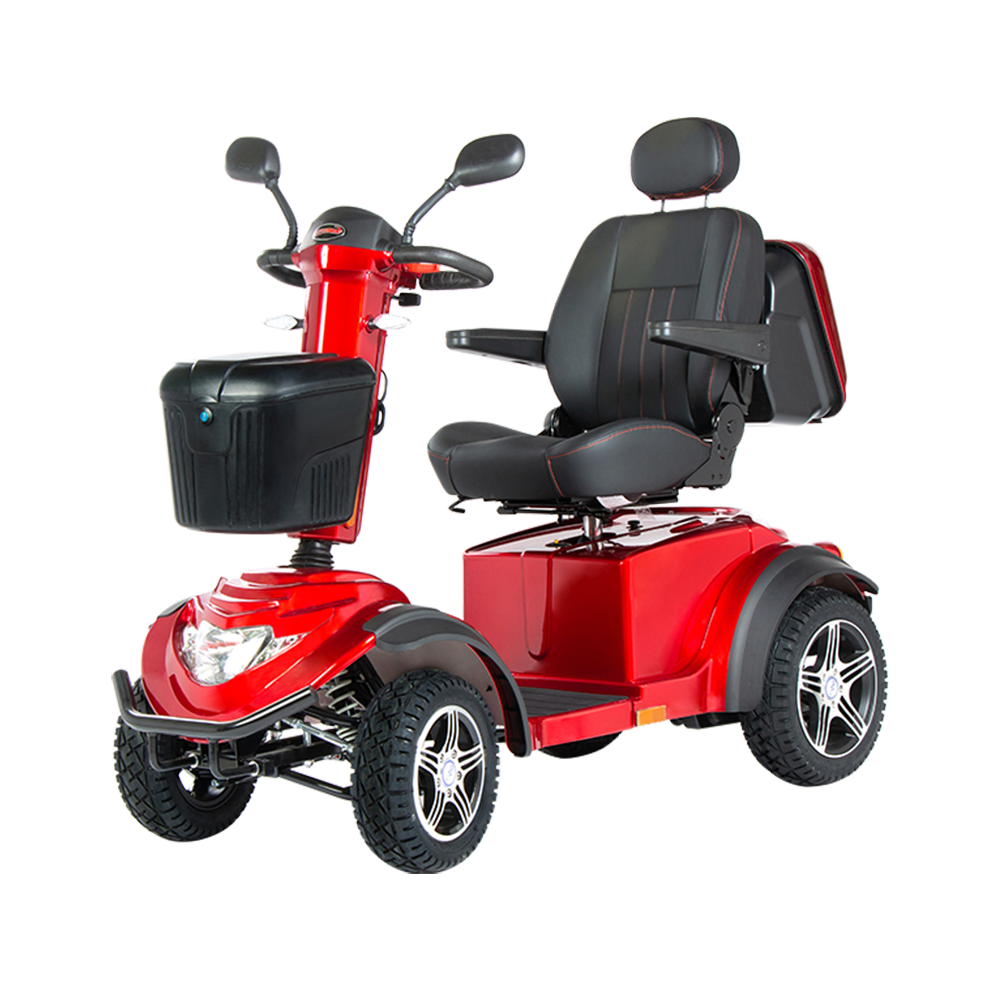
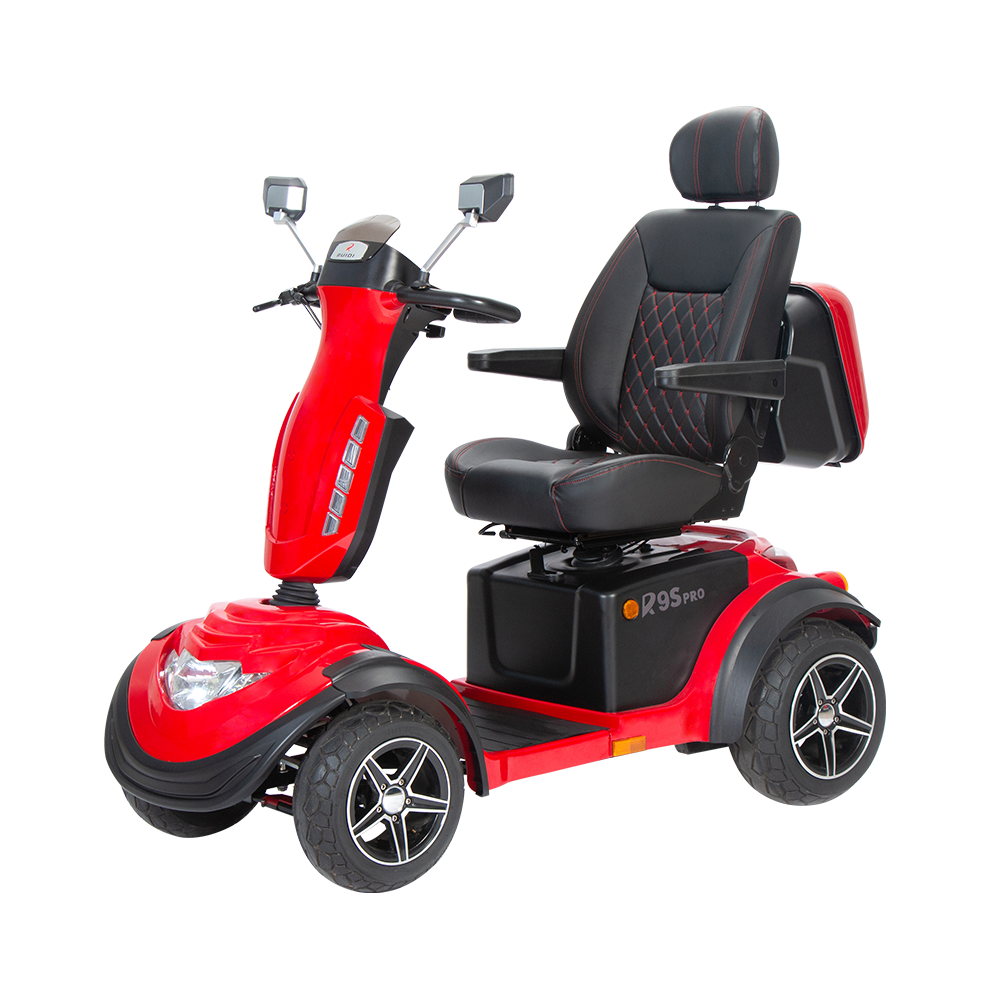
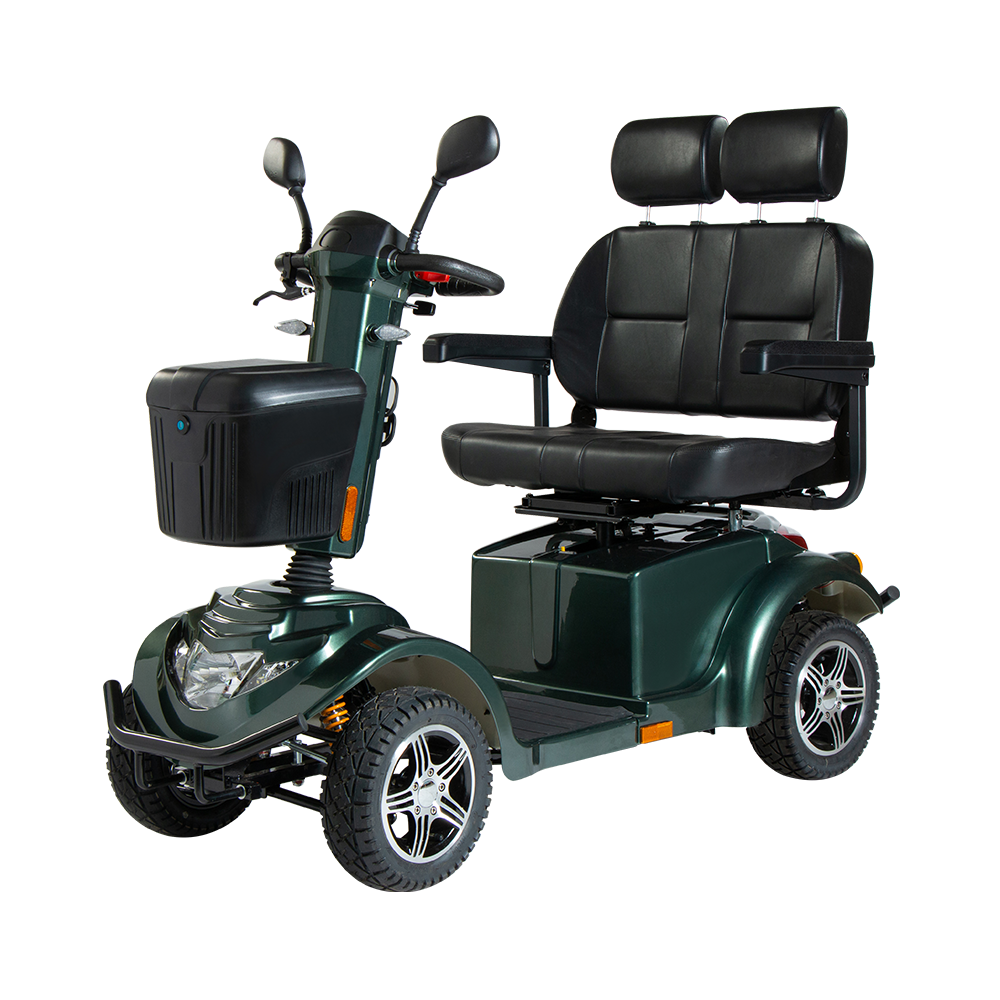
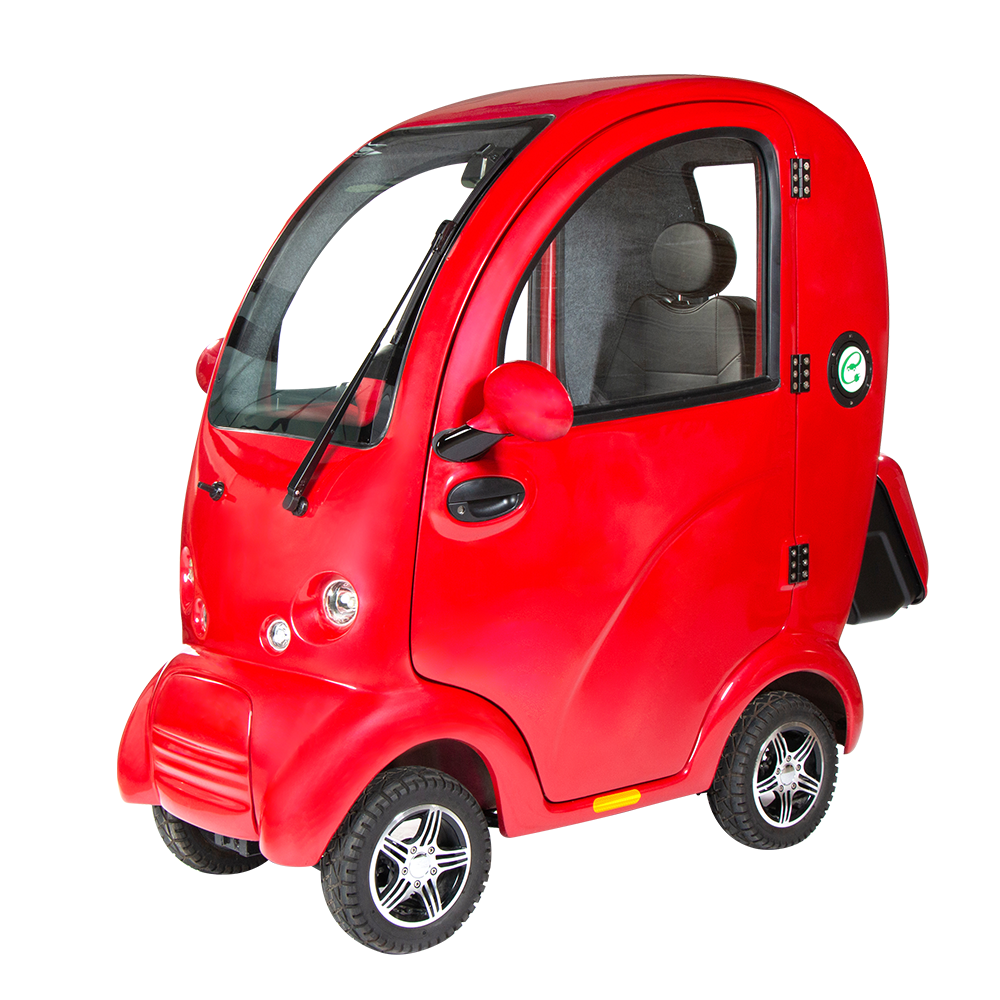
Buyers requesting quotes on a Mini Mobility Scooter line typically encounter two distinct production routes on the factory floor. The mini car mobility scooter variant is built around an automobile-inspired body shell, so the manufacturing sequence includes panel molding, door or semi-enclosure fitting, and paint-line finishing before the drivetrain goes in. The mini electric mobility scooter variant follows a lighter tubular-frame process, with select models designed for quick disassembly or one-touch folding, which shifts tooling emphasis toward hinge precision and joint fatigue testing rather than body panel work. Sourcing teams who understand which path a factory specializes in can match order specifications to the production line already calibrated for that structure, reducing tooling changeover costs on custom runs.
Material Selection and Load Engineering
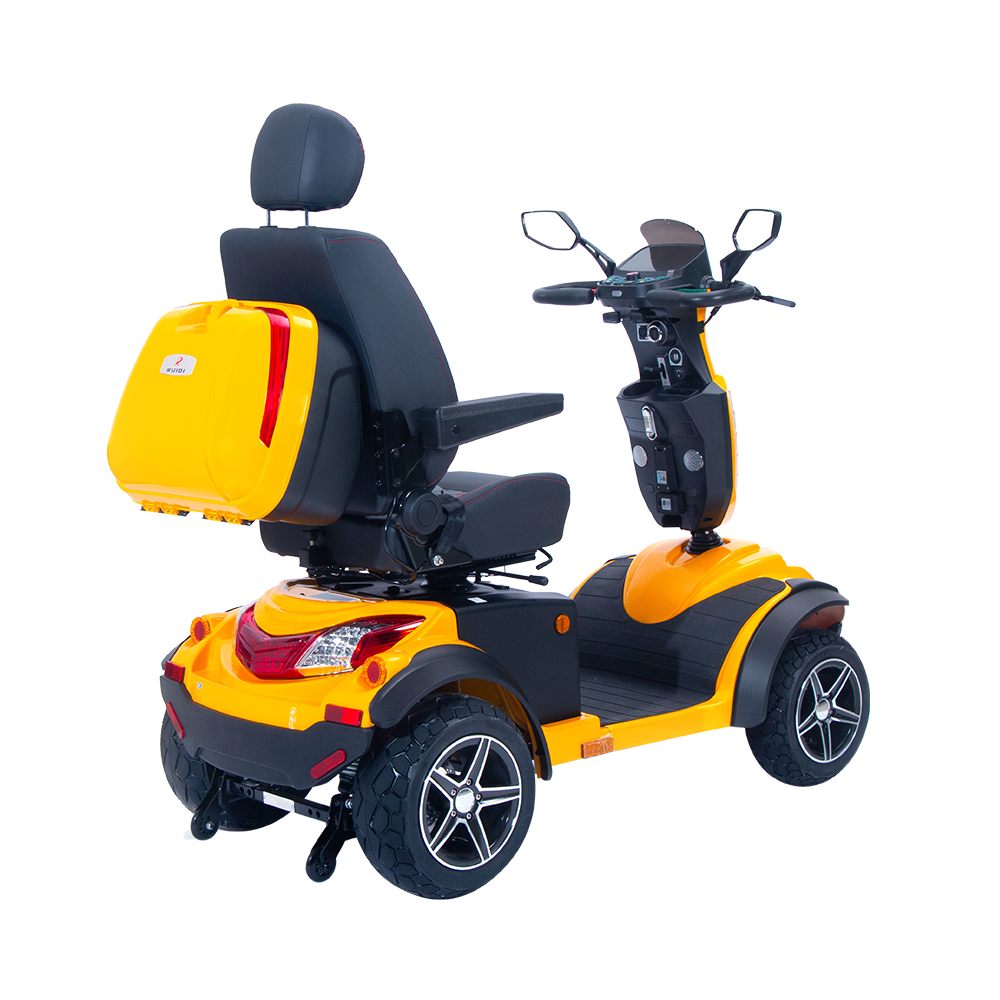
Frame material choice on a Mini Mobility Scooter is not cosmetic; it sets the ceiling for load capacity and turning radius. Steel-bodied units generally support a higher load range and a more spacious seating position, which suits buyers targeting users who value ride comfort over portability. Lighter alloy frames used in a portable mobility scooter build reduce total vehicle weight, which matters directly to buyers whose end customers need to lift components into a car trunk or carry the unit up stairs. Battery placement is engineered alongside frame material, since lithium-ion pack weight and mounting position both affect the vehicle's center of gravity during turns on uneven pavement.
Comparing the Two Production Variants
Procurement teams evaluating both structures side by side often request a specification comparison before committing to a production run:
|
Specification |
Mini Car Style Frame |
Mini Electric Style Frame |
|
Vehicle Weight |
60–100 kg |
15–40 kg |
|
Max Load Capacity |
100–150 kg |
80–120 kg |
|
Range per Charge |
30–50 km |
15–30 km |
|
Turning Radius |
1.2–1.8 m |
0.8–1.2 m |
|
Climbing Capacity |
8°–12° |
6°–10° |
|
Charging Time |
6–10 hours |
4–8 hours |
Buyers ordering for markets with narrow indoor corridors, such as hospital wings or retirement-community hallways, tend to weigh turning radius heavily, while buyers stocking outdoor-use retail channels place more emphasis on climbing capacity and range.
Quality Control and Certification Standards
A factory producing a Mini Mobility Scooter for export needs documentation that satisfies destination-market compliance, not just internal testing. CE certification confirms conformity for European distribution, while a Medical Device Quality Management System certification signals that production processes meet the traceability standards buyers' regulatory teams will ask about during due diligence. Environmental and occupational health system certifications additionally indicate that raw material handling and welding processes are documented, which matters to buyers who face their own supply-chain audits. Component-level checks — motor torque testing, brake response, and battery cycle validation — are typically logged per production batch rather than sampled randomly, giving an OEM mobility scooter buyer a paper trail to reference if a claim arises after shipment. This traceability becomes part of the value a Mini Mobility Scooter supplier offers beyond the unit price itself.
Customization and Bulk Supply for Distributors
Container-volume buyers of a Mini Mobility Scooter generally negotiate around three variables: seat configuration, control interface, and color or branding finish. Steering-wheel versus handlebar control can be specified at the design stage without retooling the core chassis, and armrest or backrest dimensions can be adjusted for regional body-size averages. Factories running multiple parallel production lines can typically hold a mini car mobility scooter SKU and a lighter-frame SKU in production simultaneously, which lets a distributor split a single purchase order across both variants to test regional demand without committing to a full container of one configuration. Lead times for customized tooling changes on a Mini Mobility Scooter order should be confirmed against the factory's existing mold library before final order placement, since a request outside standard dimensions can extend production scheduling by several weeks.

 No.58 Feiyang Road , Jinhua 321025, Zhejiang, China
 +86-13905796145
 +86-579-82268015