

 English
 中文简体
中文简体 Español
 Deutsch
The places where older adults travel are changing in small but meaningful ways. A short trip may begin inside a residential building, continue through a supermarket, and finish along a paved community path. These mixed environments create a different set of requirements for Mobility Scooter Seniors use, particularly when doorways, aisles, elevators, and pedestrian areas leave little room for maneuvering.
Turning Space Matters In Everyday Routes
A mobility scooter can have adequate power and still feel difficult to handle in a confined environment. Turning space becomes more noticeable when the route includes a supermarket aisle, a building entrance, or a narrow passage between parked vehicles.
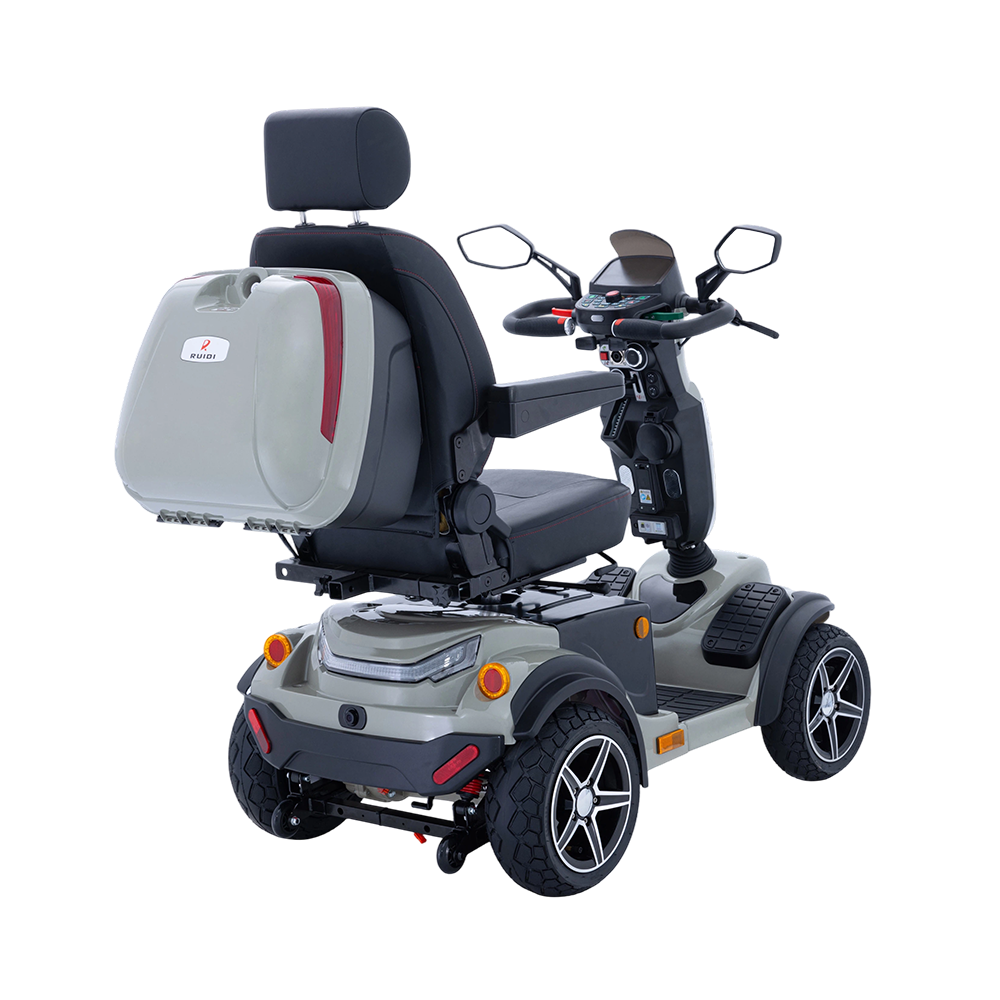
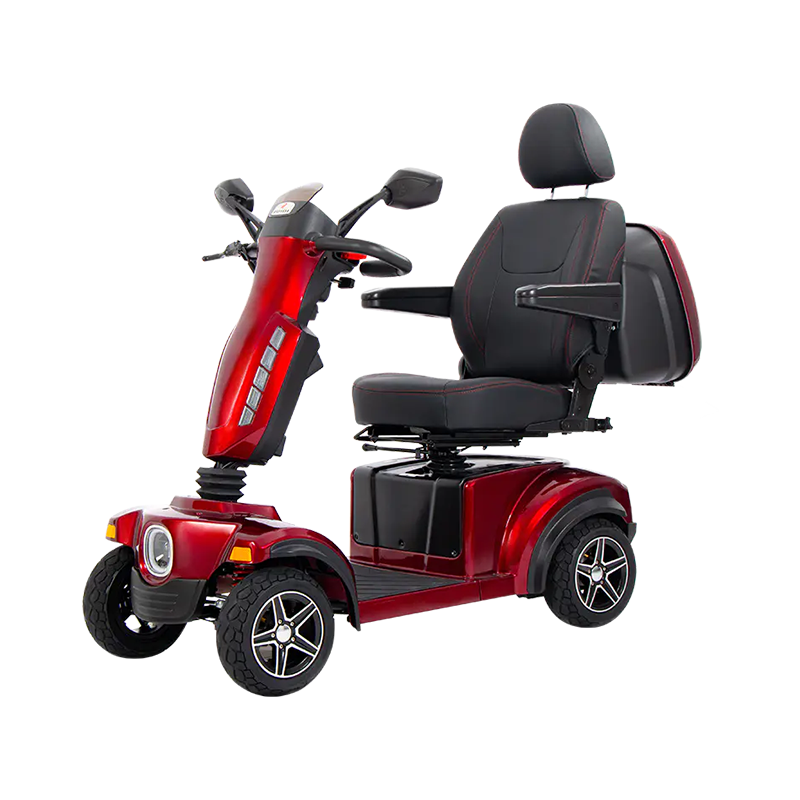
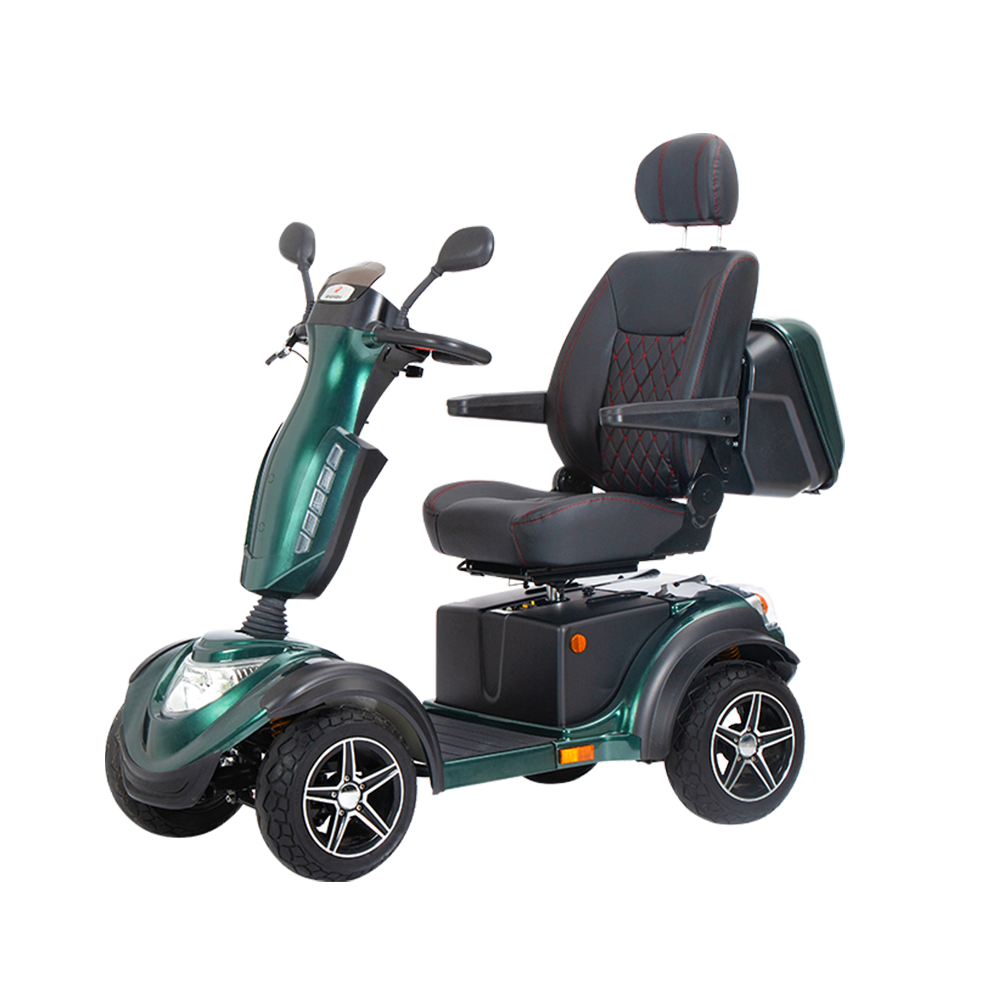
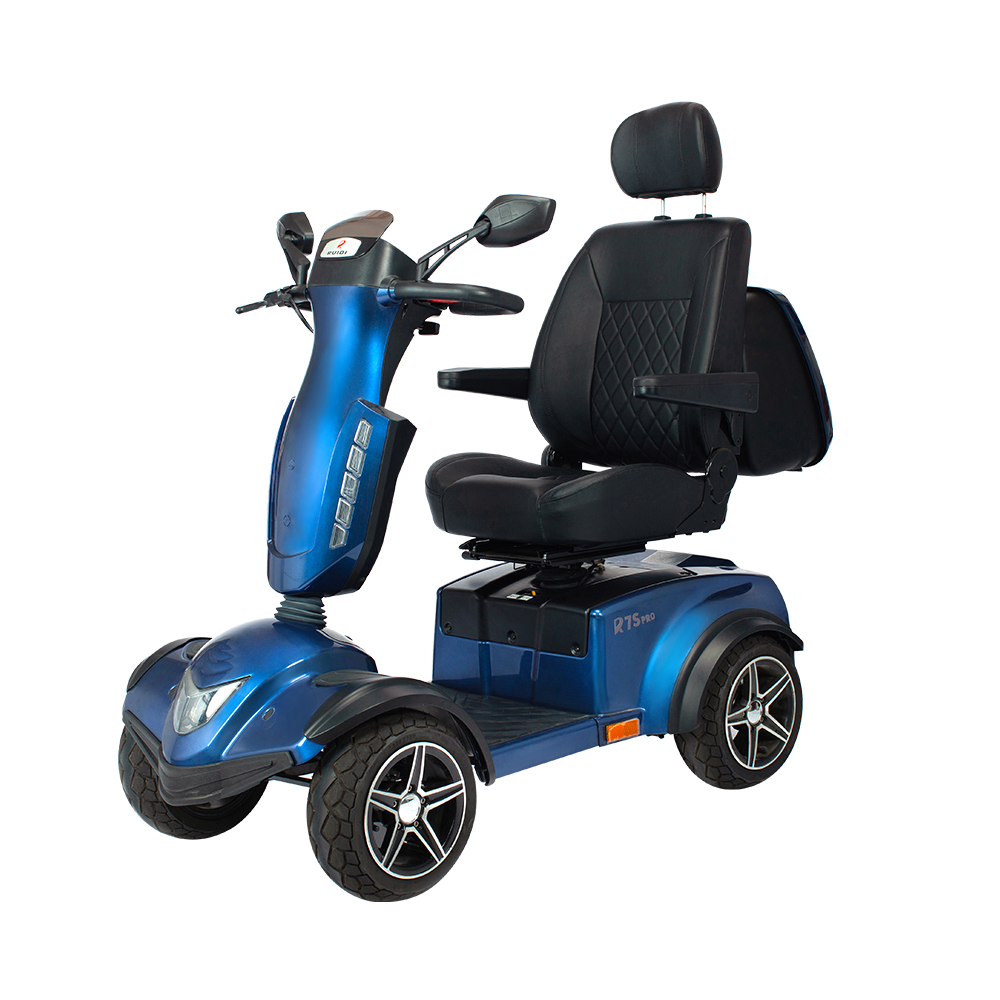
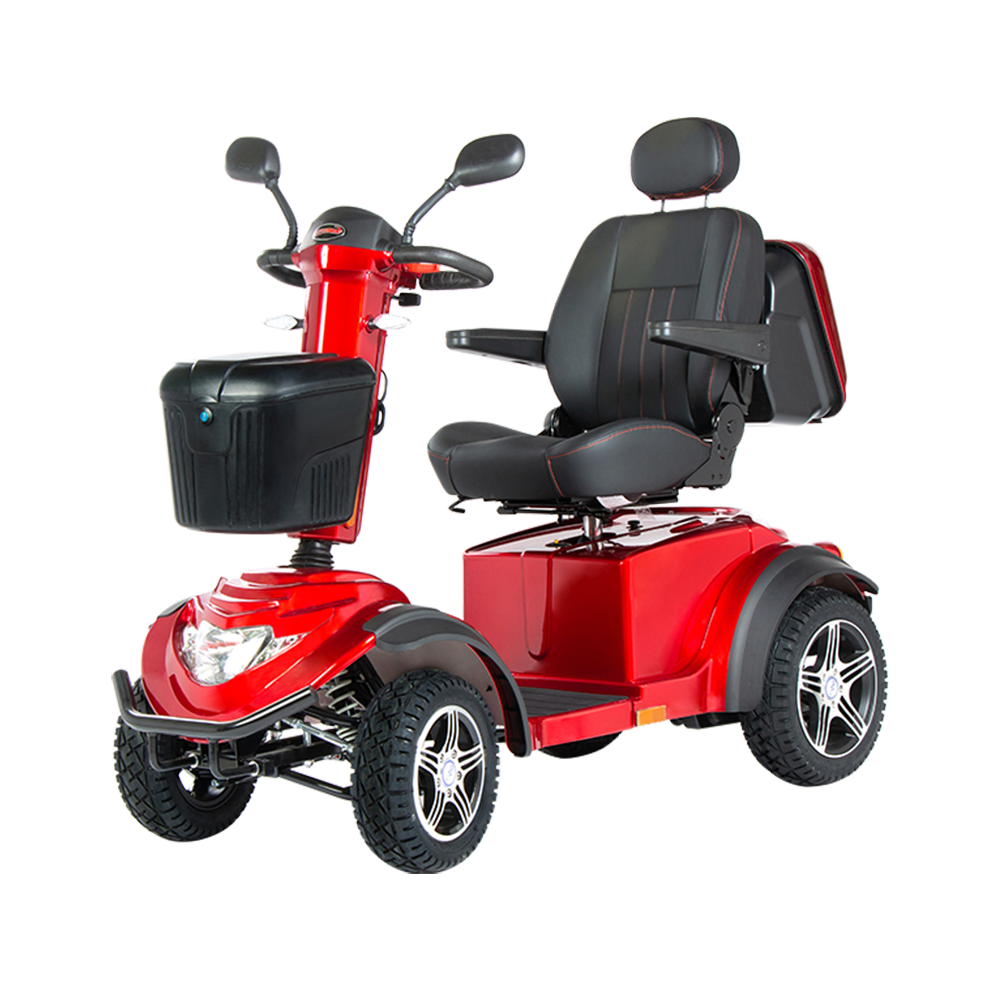
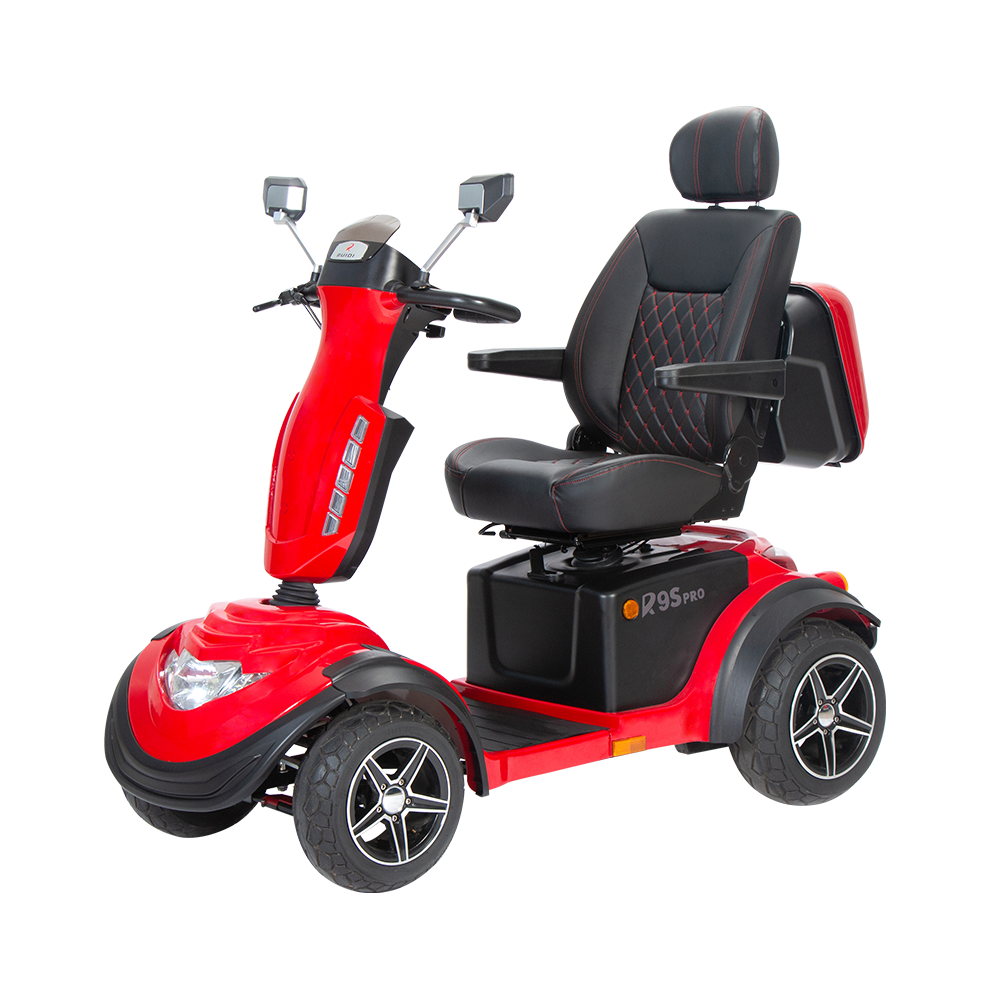
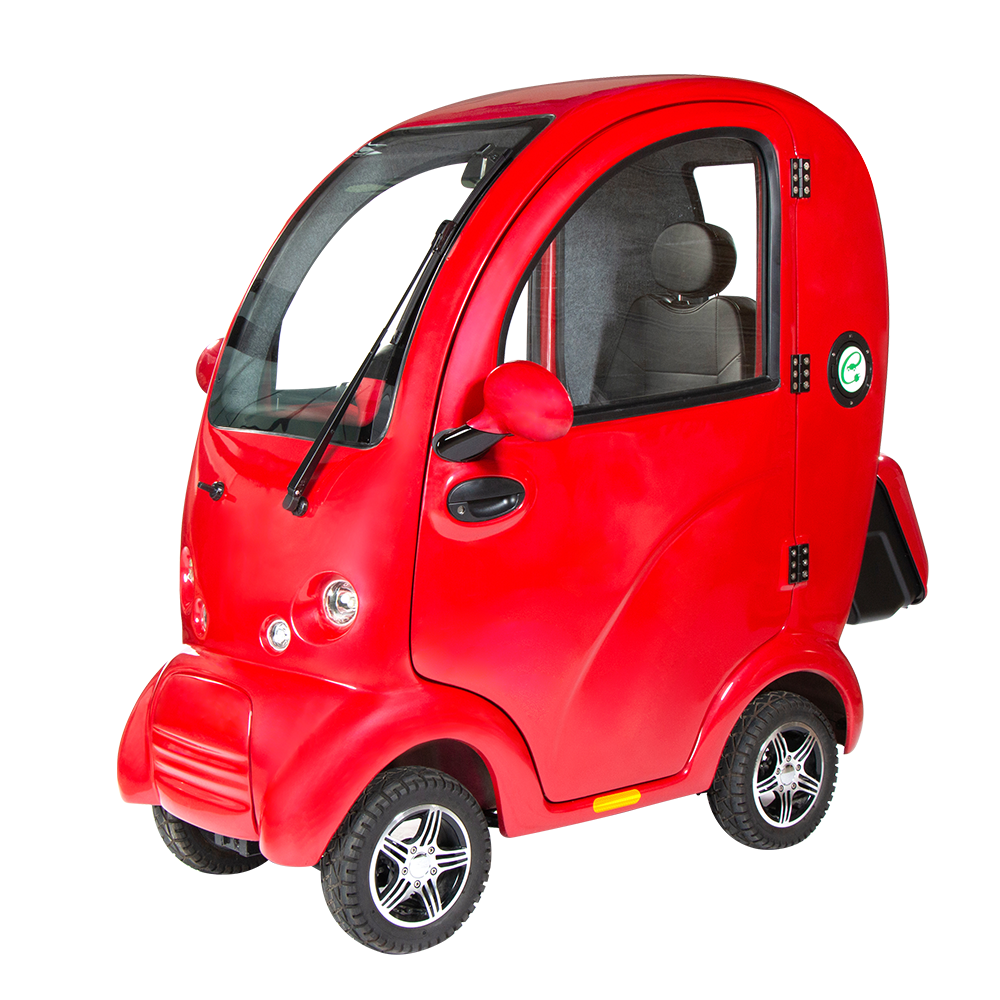
Compact scooters are designed around this type of movement. Ruidi's mini mobility scooter category includes models intended for indoor areas, shopping environments, residential communities, and other flat paved locations. The category also distinguishes between mini car-style scooters and lighter electric mobility scooters, reflecting different approaches to everyday movement.
For Mobility Scooter Seniors, maneuverability is therefore less about a single specification and more about how the scooter behaves through a complete route. A smaller turning radius can simplify directional changes, but steering response, wheel placement, seat position, and the available space around the rider all contribute to practical control.
Indoor Mobility Changes The Design Priorities
Outdoor roads provide more room for steering corrections than indoor environments. Inside a home, care facility, hospital, or retail space, the vehicle may need to pass through standard doorways and negotiate tighter corners.
The mini electric mobility scooter category emphasizes compact dimensions and low-speed operation for indoor and short-distance use. Some configurations can also be folded or separated for transport and storage.
This makes Mobility Scooter Seniors applications different from long-distance or off-road mobility. A vehicle intended primarily for indoor circulation does not need the same physical configuration as a larger scooter designed around extended outdoor travel.
Control layout also becomes relevant. At low speed, smooth steering and predictable acceleration can be easier to manage than a system that reacts sharply to small control inputs.
Community Routes Connect Indoor And Outdoor Travel
Many daily journeys do not stay entirely indoors. A resident may leave an apartment, cross a parking area, travel along a community road, and enter a nearby store. The transition between these environments places greater emphasis on compact dimensions without reducing basic riding stability.
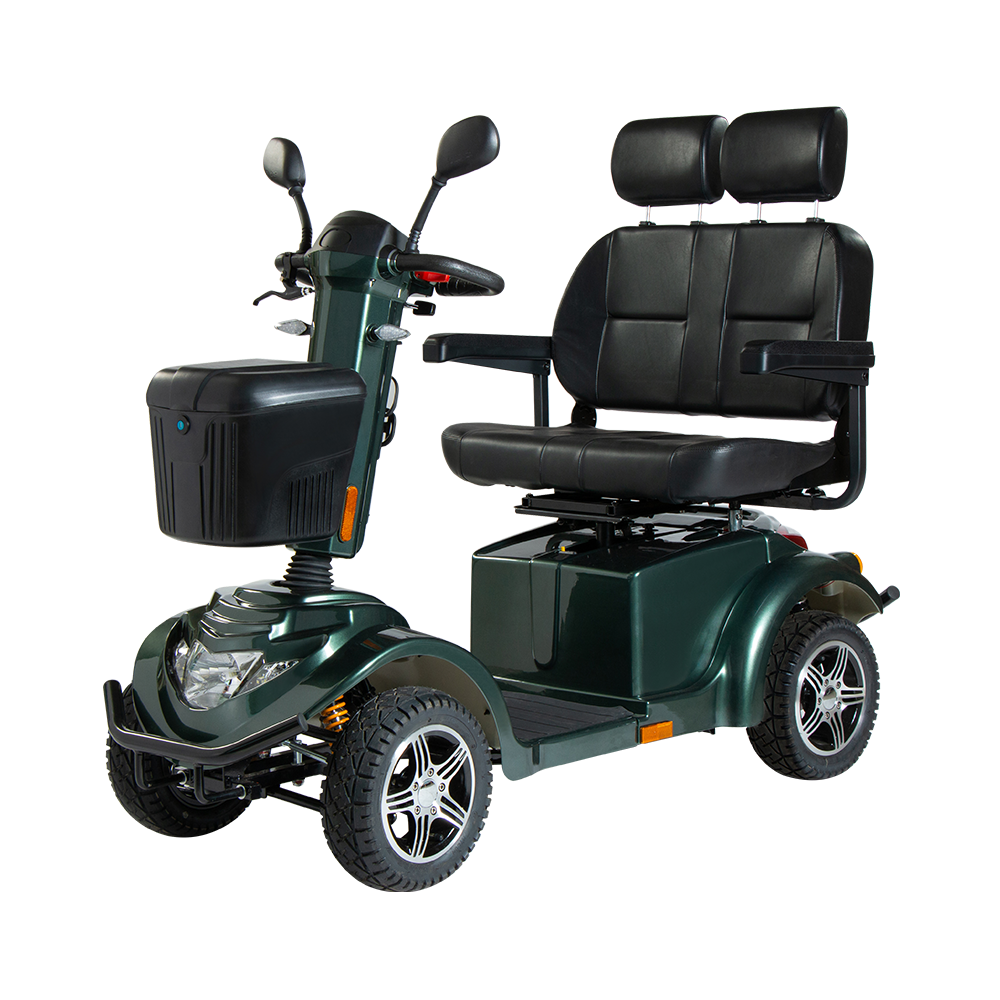
The mini mobility scooter category covers both car-style and lightweight open configurations. The former provides a more substantial body structure, while the latter focuses more heavily on compactness and portability.
For Mobility Scooter Seniors, this distinction can influence where a particular model fits within a mobility program. A lightweight scooter may suit short indoor connections and frequent transport, whereas a more substantial mini vehicle may be better suited to repeated community travel where seating space and body structure receive greater attention.
Low-Speed Control Supports Confined Maneuvering
Speed is not always the primary consideration in a compact mobility environment. When traveling around pedestrians, shelves, entrances, or other vehicles, controlled low-speed movement can be more useful than additional top-end speed.
The mini electric category specifically identifies low-speed operation as part of its design approach. This is relevant to Mobility Scooter Seniors use because many short journeys involve frequent starts, stops, turns, and positioning rather than uninterrupted travel.
A well-matched control system should respond predictably when the rider is approaching a doorway or adjusting position beside a chair, counter, or parking area.
Seat Position Influences The Overall Driving Experience
Compact dimensions do not remove the need for a usable seating position. A scooter that occupies less floor space still needs sufficient room for the rider to sit, steer, place their feet, and make routine adjustments.
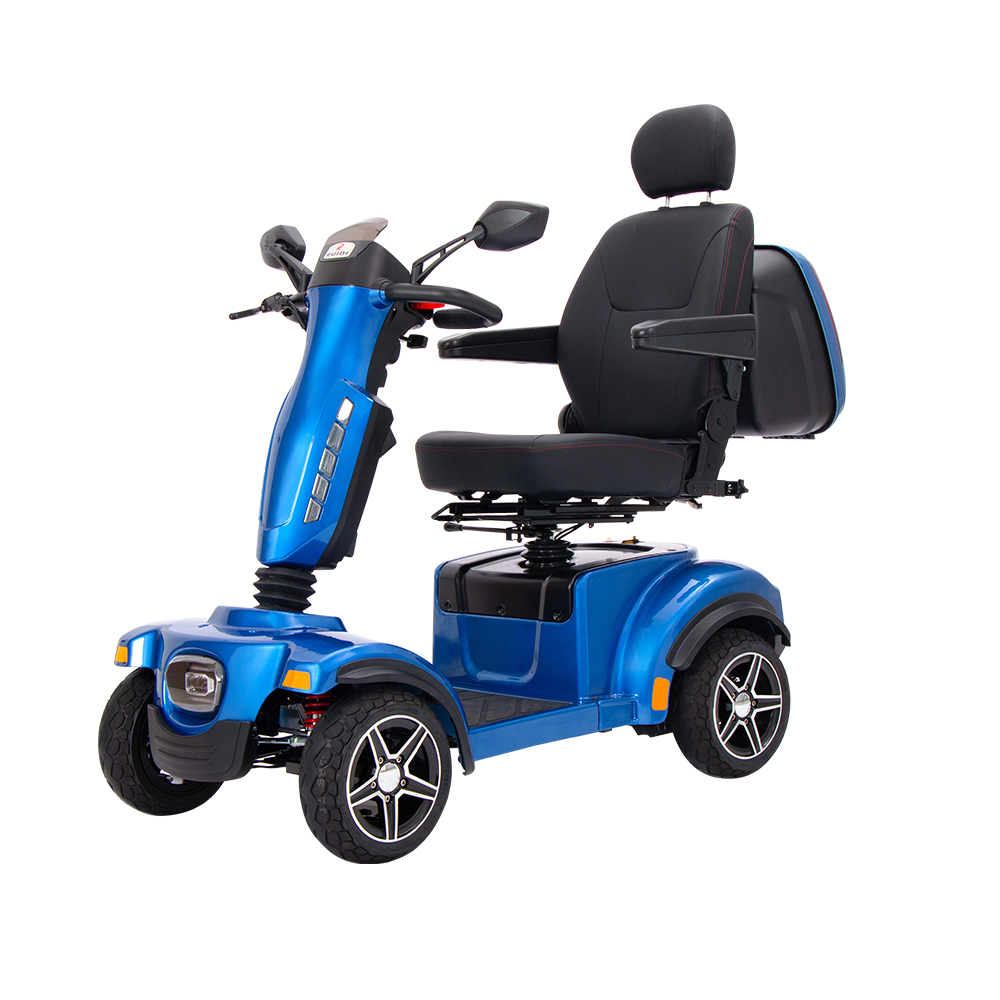
The mini scooter range includes adjustable seating and handlebars on certain configurations, giving the layout some flexibility for different users.
In Mobility Scooter Seniors applications, these details become part of the vehicle's usability rather than decorative features. Seat height, handlebar position, footrest placement, and visibility interact during every steering movement.
The growing role of compact mobility equipment in homes, care facilities, shopping areas, and residential communities shows why small dimensions alone do not define a successful Mobility Scooter Seniors platform. The more useful design question is how the vehicle behaves across the short, confined routes that make up everyday mobility.
For Mobility Scooter Seniors equipment, that combination of maneuverability, low-speed control, seating ergonomics, and compact proportions creates a distinct engineering category between a traditional outdoor scooter and a fully portable travel device.

 No.58 Feiyang Road , Jinhua 321025, Zhejiang, China
 +86-13905796145
 +86-579-82268015