

 English
 中文简体
中文简体 Español
 Deutsch
When planning a trip to a national park, a historic downtown, or a sprawling resort, older adults and people with limited mobility face a critical question: can their scooter handle real-world hazards?
Travel mobility scooter models have grown larger, faster, and more powerful, but safety concerns remain paramount. Unlike basic indoor models, a travel mobility scooter designed for outdoor use needs to manage uneven sidewalks, moderate slopes, gravel paths, and even rain-dampened streets.
This article examines the engineering standards, stability features, and user practices that determine whether a heavy-duty or all-terrain scooter is genuinely safe for independent travel.
What Makes a Heavy-Duty Scooter Stable?
Stability is the number one safety factor for any travel mobility scooter. Three core engineering choices separate safe models from risky ones:
Wheelbase and Track Width – A longer wheelbase (distance between front and rear wheels) and wider track (side-to-side distance) lowers the center of gravity, reducing tip-over risk during turns. Look for a ratio of at least 1.5:1 wheelbase to track width.
Suspension Travel – Off-road and all-terrain scooters use long-travel independent suspension (often 2–3 inches per wheel). This keeps all wheels in contact with bumpy ground, preventing sudden weight shifts that could cause a rollover.
Tire Tread and Pressure – Deep, wide tires with low-pressure adaptability (e.g., 10- to 13-inch pneumatic tires) provide grip on loose gravel or wet grass. A travel mobility scooter with shallow street tires will slide on muddy paths.
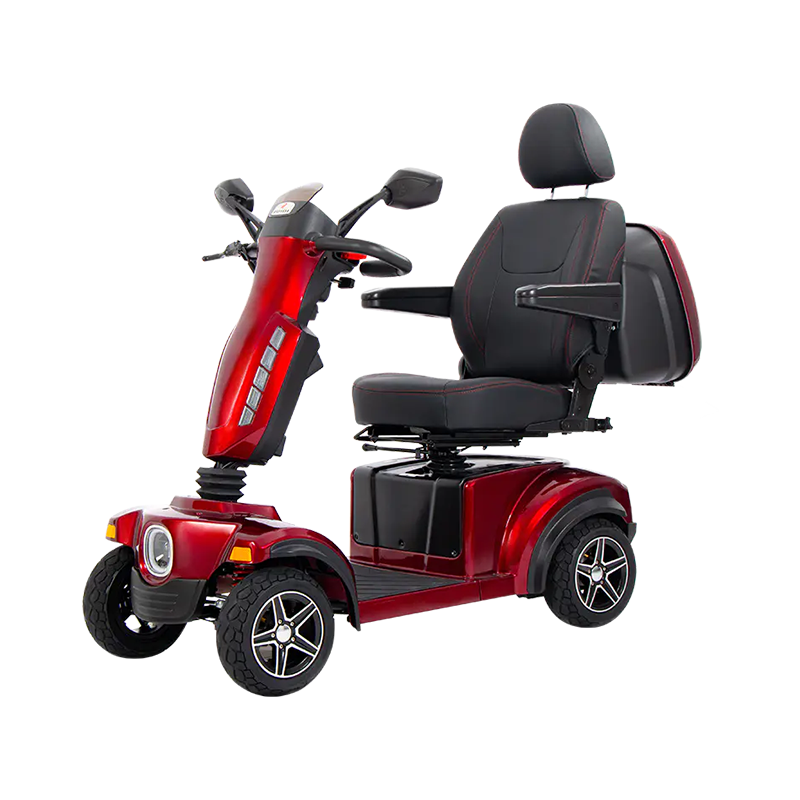
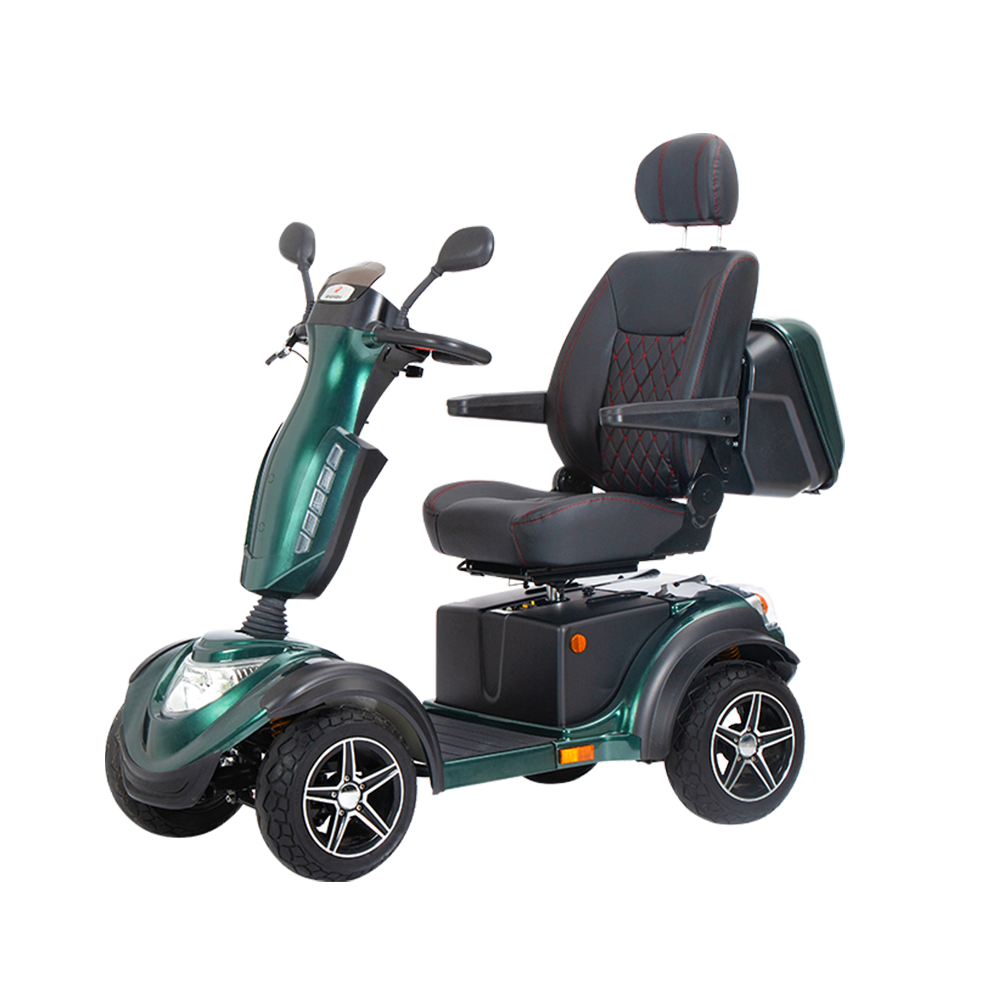
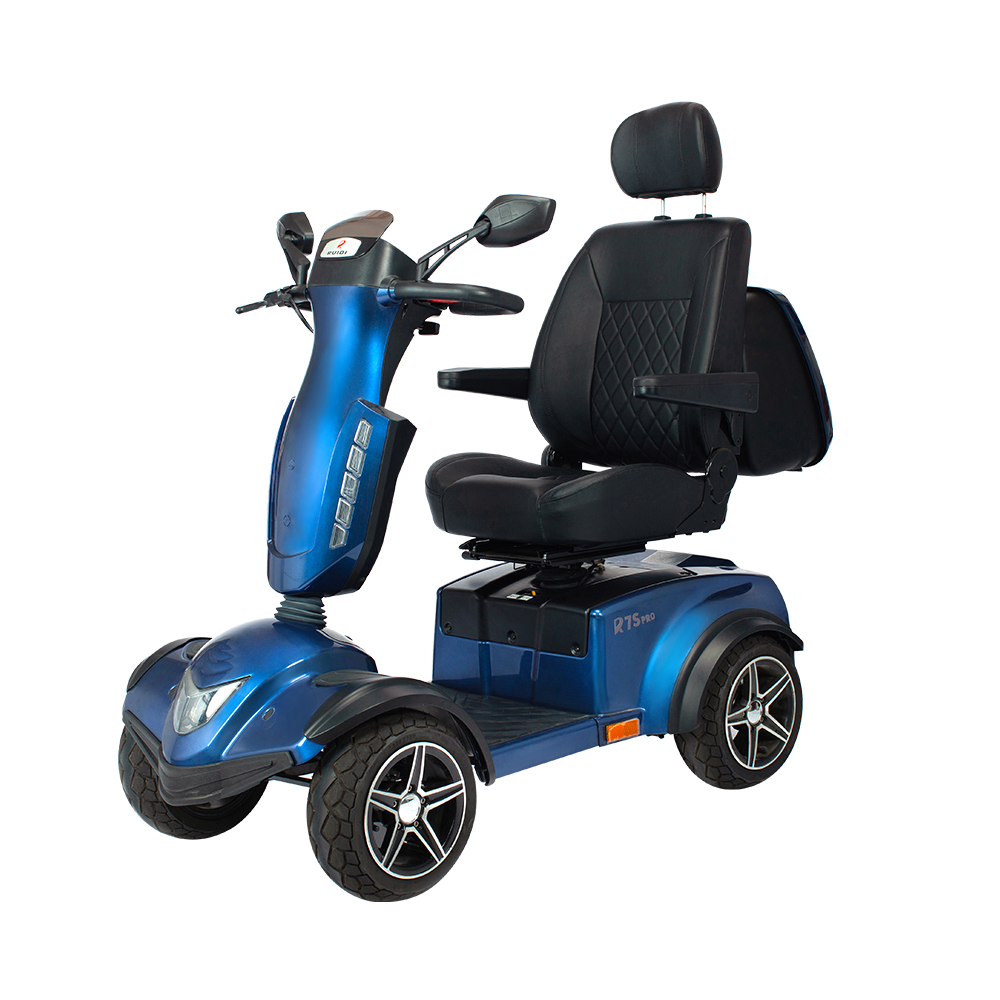
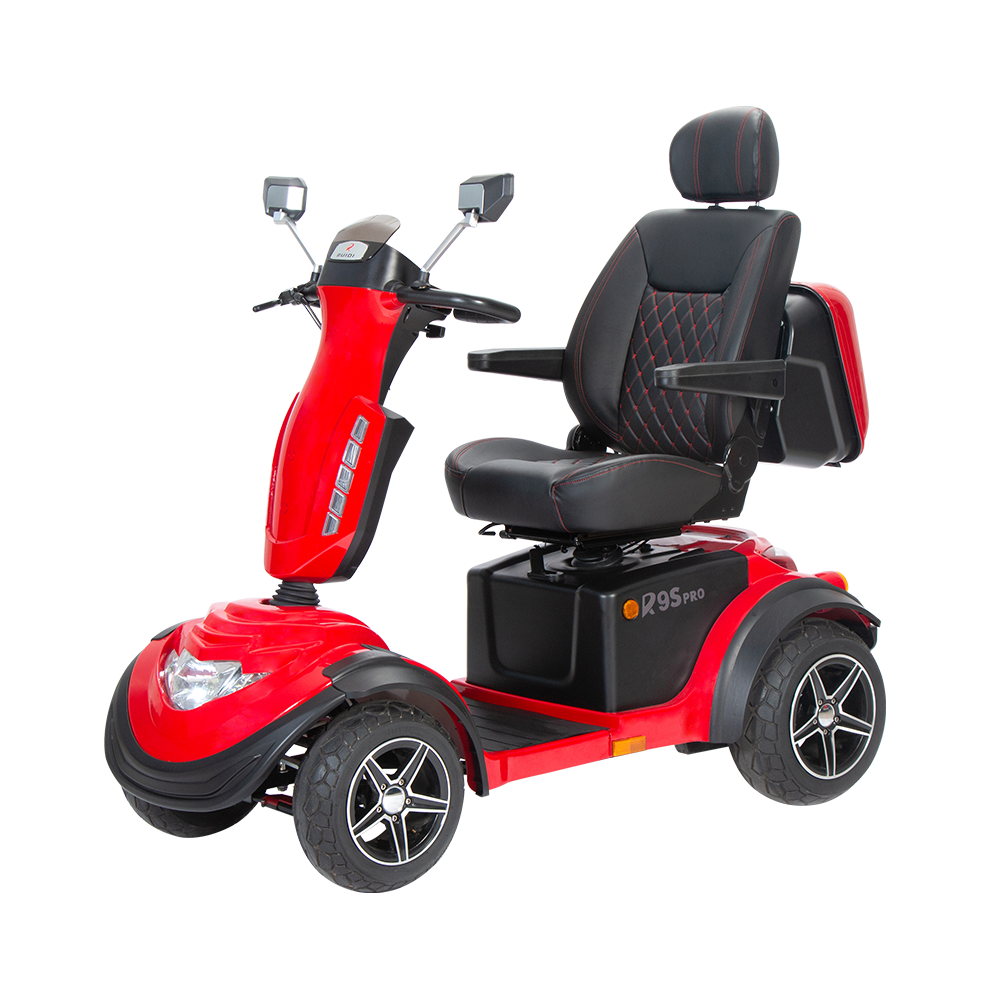
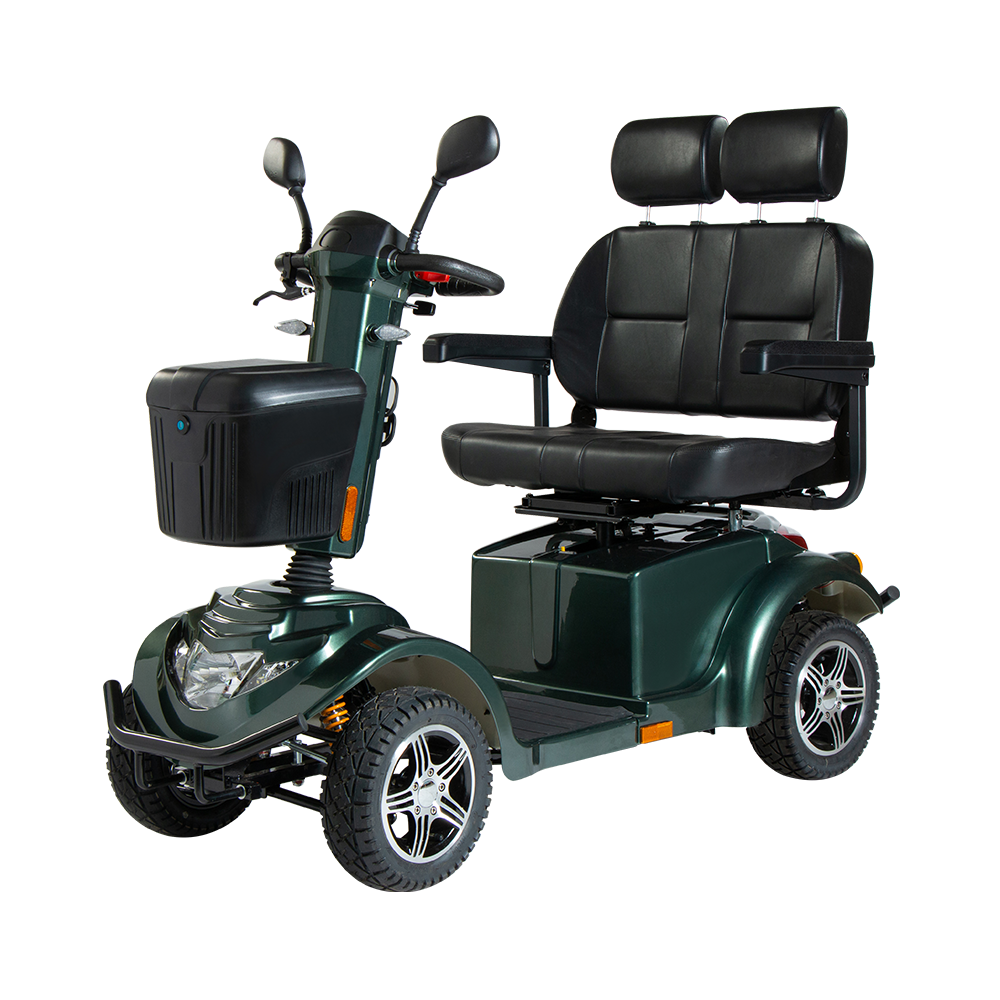
The Ruidi R98SPRO, for example, integrates a reinforced anti-rollover geometry and high ground clearance, specifically engineered for woodland trails and uneven pastureland. Without such features, a travel mobility scooter should never leave paved surfaces.
Speed Control and Braking in Real Conditions
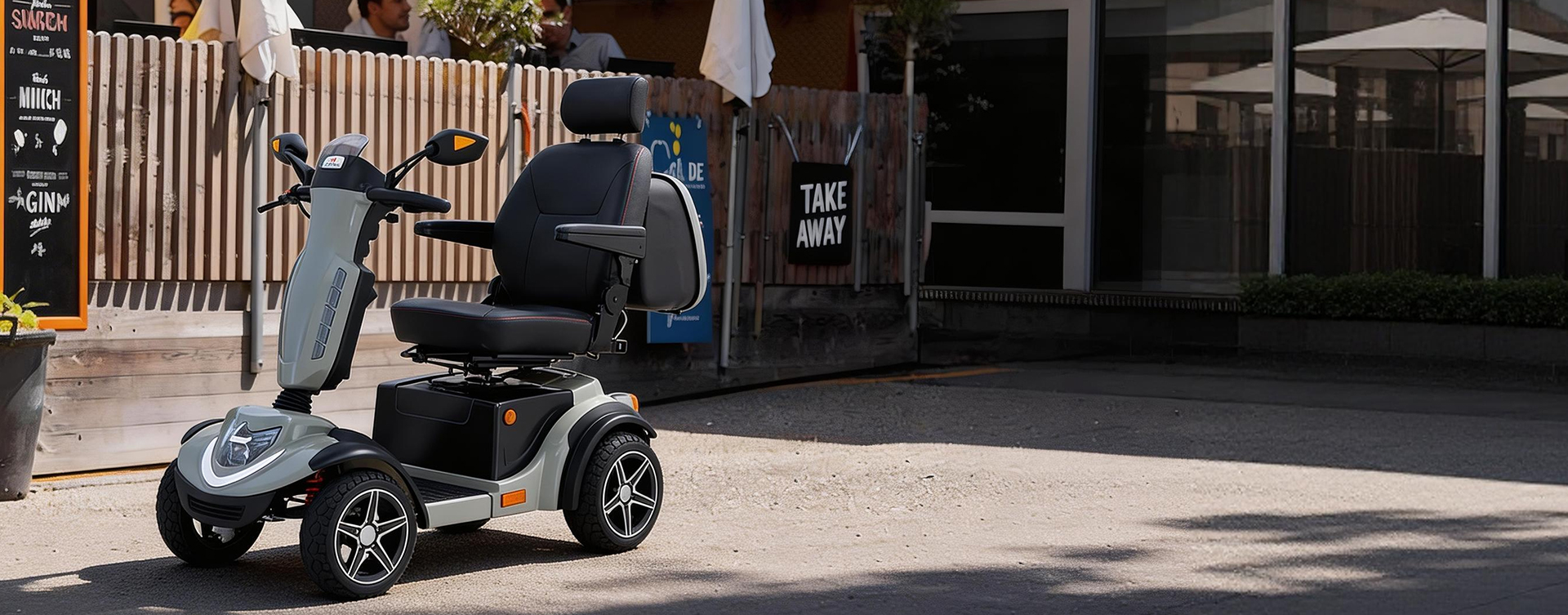
Many users assume that higher speed means greater risk. However, the real danger is uncontrolled deceleration and inadequate braking distance. A safe travel mobility scooter includes:
Regenerative and Disc Brakes – Regenerative braking (using the motor to slow down) extends battery life but works poorly on steep declines. Top models add rear drum or disc brakes for emergency stopping on slopes up to 10 degrees.
Hill Hold Function – This electronic system prevents the scooter from rolling backward when stopped on an incline. It is essential for travel mobility scooter users who encounter parking garage ramps or hilly downtown streets.
Speed Limiting for Terrain – Intelligent scooters automatically cap speed to 3–4 mph on grass or gravel, while allowing 6–8 mph on smooth asphalt. Manual speed switches are less reliable because users forget to adjust.
Independent tests show that a properly maintained travel mobility scooter with dual braking systems can stop from 6 mph within 4 feet on dry pavement. On wet grass, stopping distance doubles, so safe riding requires lower speeds.
All-Terrain vs. Off-Road: Which Is Safer for Many Seniors?
Many buyers confuse these two categories. The distinction dramatically affects safety:
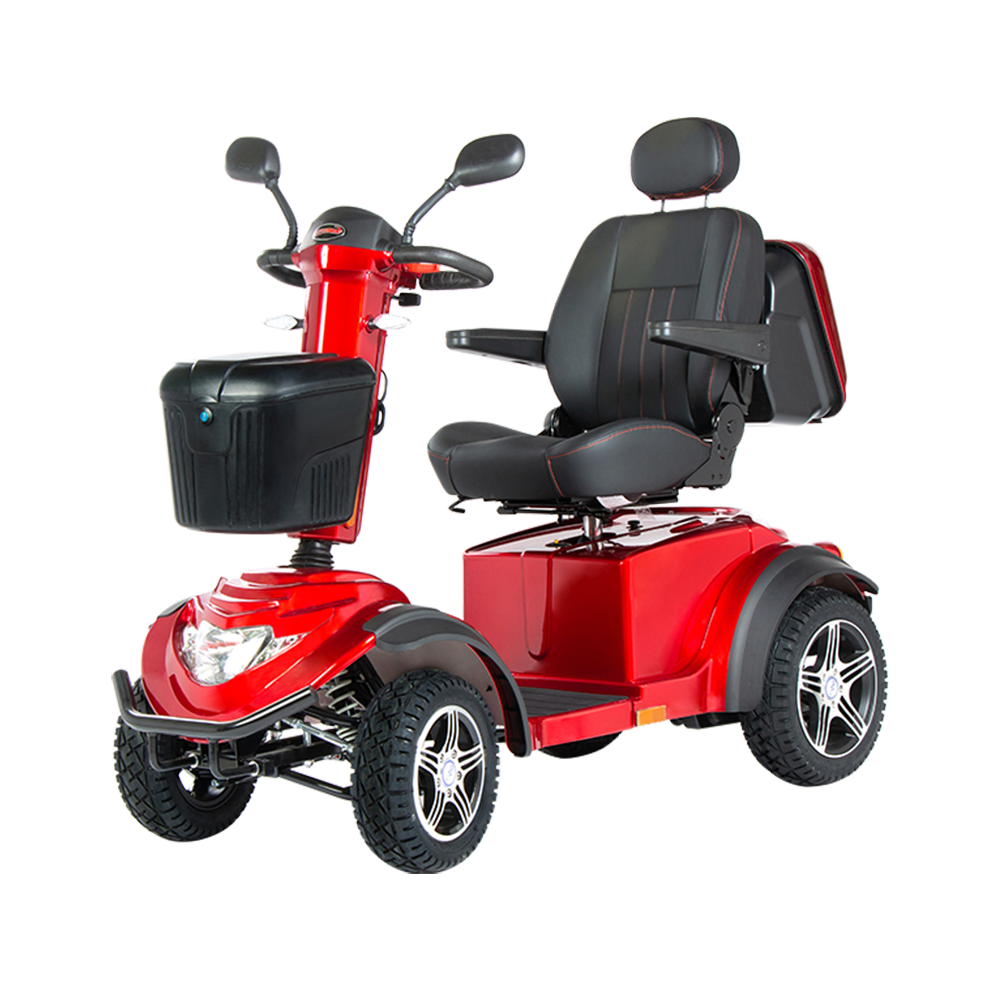
- Off-road scooters (like heavy-duty models optimized for terrain) have long-travel suspension, deep tread tires, and high torque. They are safe on muddy trails, sand, and unimproved paths. However, their aggressive tires reduce grip on smooth indoor floors, and their high ground clearance raises the center of gravity, increasing rollover risk on crowned roads.
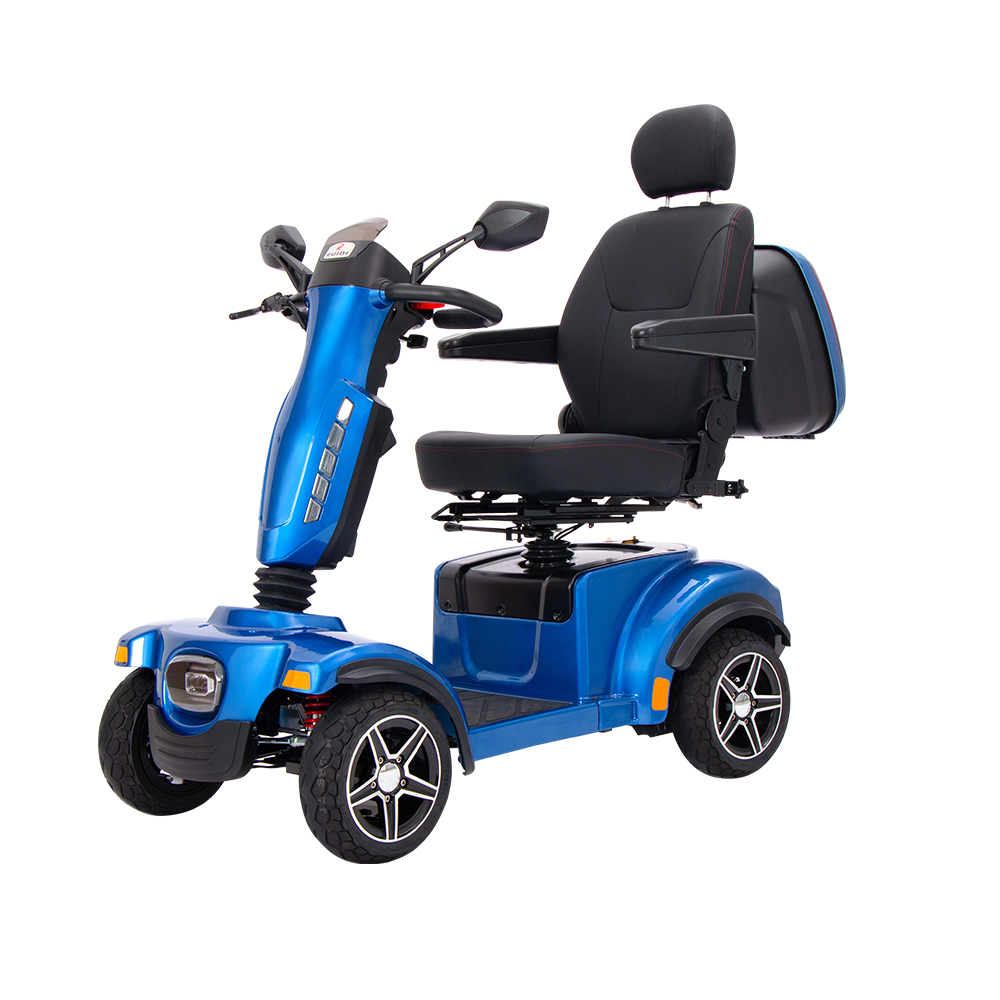
- All-terrain scooters (like the Ruidi R9S SMART) use medium-travel suspension and hybrid tires. They transition safely between sidewalks, packed gravel, and grassy parks. For travel mobility scooter users who visit boardwalks, museum plazas, and suburban streets, the all-terrain design is safer because it maintains stability across varied surfaces without significant trade-offs.
For seniors, an all-terrain travel mobility scooter is generally the wiser choice. Only experienced users who frequently ride on unmaintained trails should consider a dedicated off-road model.
User Practices That Maximize Safety
Equipment alone cannot prevent accidents. Safe use of any travel mobility scooter requires:
Pre-trip inspection – Check tire pressure, brake response, battery charge, and tiller tightness before every outing.
Slope awareness – If a slope makes the scooter’s speed drop below 2 mph on full throttle, get off and walk beside it using the manual freewheel mode.
Weather judgment – Heavy rain, ice, or deep snow exceeds many scooters’ IP rating (look for IPX4 or higher for water resistance). The Ruidi large scooter series includes integrated water and dust resistance, but flooding is still dangerous.
Conspicuity – Equip the scooter with a bright flag, LED lights, and reflective tape. Many travel mobility scooter collisions occur because drivers do not see low-profile vehicles at intersections.
Safety Is a System, Not a Single Feature
So, is your travel mobility scooter safe for roads? The answer depends on matching the scooter’s engineering to your real travel environments.
A heavy-duty off-road model is safe on forest paths but risky on busy sidewalks.
An all-terrain scooter excels at mixed-use travel but should not be taken into deep mud.
Always verify suspension travel, brake type, tire tread, battery management, and hill-hold capability before purchasing. When in doubt, choose a travel mobility scooter from a manufacturer like Ruidi that publishes detailed terrain specifications and offers test-ride opportunities.
With the right equipment and cautious habits, you can confidently explore your world without compromising safety.

 No.58 Feiyang Road , Jinhua 321025, Zhejiang, China
 +86-13905796145
 +86-579-82268015