

 English
 中文简体
中文简体 Español
 Deutsch
Driven by the accelerating aging of urban populations and the diversification of short-distance travel needs, foldable electric travel scooters—devices that combine portability with mobility assistance—have gradually entered the public consciousness. Characterized primarily by their lightweight design, collapsible structure, and electric propulsion, these devices offer a new mobility option for individuals with limited mobility, short-distance travelers, and anyone requiring flexible support for movement.
Compared to traditional mobility aids, these electric scooters place a greater emphasis on "freedom of movement" and "spatial adaptability." In urban environments, they are not only suitable for daily activities such as shopping and navigating local neighborhoods but are also increasingly being utilized in a wider range of settings, including airports, train stations, and tourist attractions.
The Trend Toward Lightweight Structural Design
One of the core design philosophies behind foldable electric travel scooters is to minimize overall vehicle weight and maximize folding efficiency, all while maintaining essential load-bearing capacity and stability. The typical structure generally consists of a frame, a battery system, a drive mechanism, and a seat module.
Frame materials predominantly utilize aluminum alloys or composite metals to strike a good balance between structural strength and weight. Some designs incorporate modular connection mechanisms, allowing users to fold and unfold the device without the need for specialized tools.
Folding methods typically fall into two categories: vertical folding and segmented folding. Vertical folding is better suited for rapid stowage—such as placing the scooter into a car trunk or a dedicated storage space—whereas segmented folding prioritizes volume compression, making it more convenient for long-distance transport and storage.
This structural optimization significantly reduces the space occupied by the scooter when not in use, thereby enabling it to fit seamlessly into a wider variety of daily life scenarios.
Power Systems and Range Performance
The primary power source for these electric scooters is a rechargeable battery system. Thanks to advancements in battery technology—specifically improvements in energy density and charging efficiency—the operational range of these devices has steadily improved over time.
Current mainstream designs are typically capable of meeting short-to-medium-distance daily travel requirements, such as navigating within residential communities, moving through shopping malls, or undertaking short sightseeing trips. Furthermore, some models feature detachable battery packs, allowing users to charge the battery independently of the scooter itself, thereby enhancing operational flexibility.
The motor systems predominantly employ direct current (DC) drive technology, characterized by smooth acceleration and simple, intuitive operation. Control systems typically facilitate speed adjustment via a handlebar or buttons, enabling users to adapt their riding speed and mode to suit prevailing road conditions.
Furthermore, some designs incorporate energy recovery mechanisms that capture a portion of kinetic energy during descents or deceleration, thereby enhancing overall energy efficiency.
Target Users and Expanded Applications
The user base for foldable electric travel scooters is becoming increasingly diverse, encompassing the elderly, individuals with mobility impairments, and urban residents requiring short-distance transportation. Concurrently, these devices are gradually emerging as valuable auxiliary tools for travelers embarking on long-distance journeys.
Within urban environments, these devices are commonly utilized in the following scenarios:
- Short-distance travel within residential communities—such as for shopping, medical appointments, or visiting neighbors;
- Mobility assistance within large commercial complexes;
- Connecting travel segments between public transportation hubs;
- Sightseeing and mobility within tourist attractions.
In travel contexts, the foldable nature of these devices allows them to be conveniently stowed in a car or checked as luggage, thereby alleviating the physical burden of handling and transport. For users who frequently need to transfer between different modes of transport or navigate multiple locations, this inherent flexibility offers significant practical value.
Safety Design and User Experience
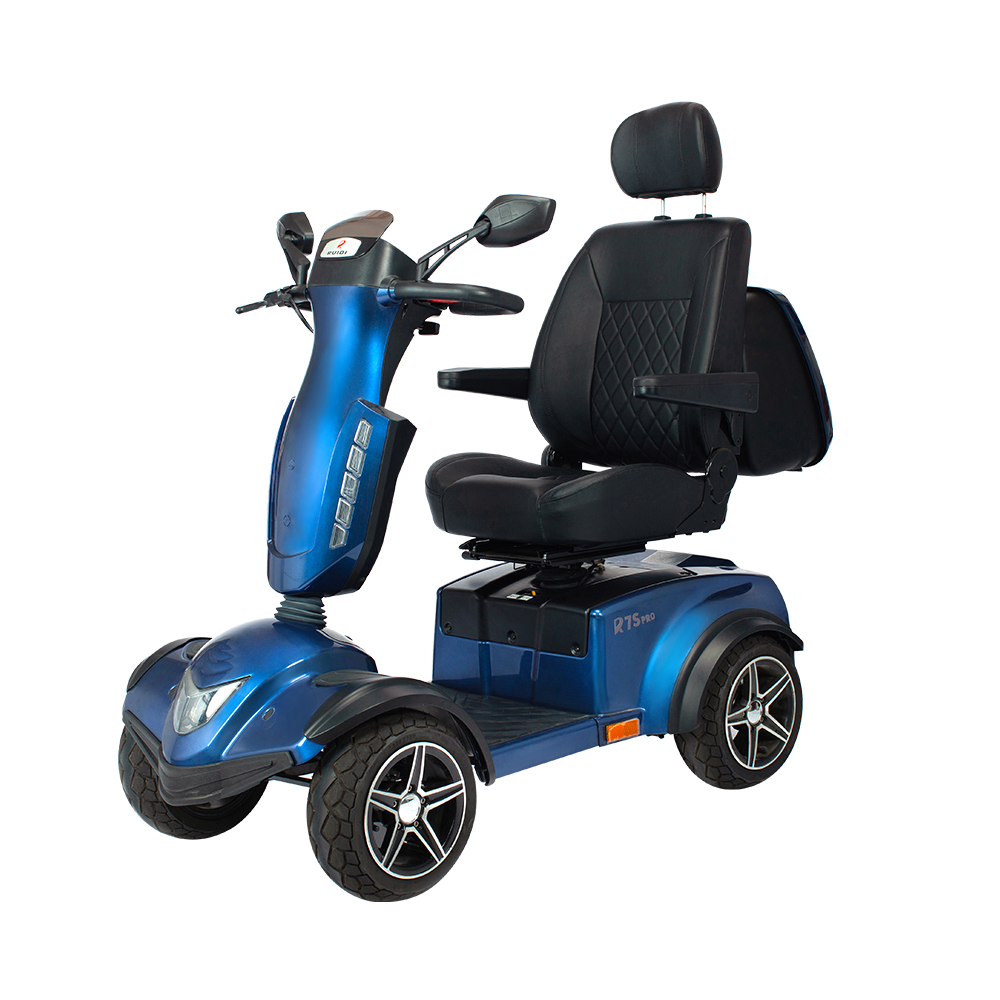
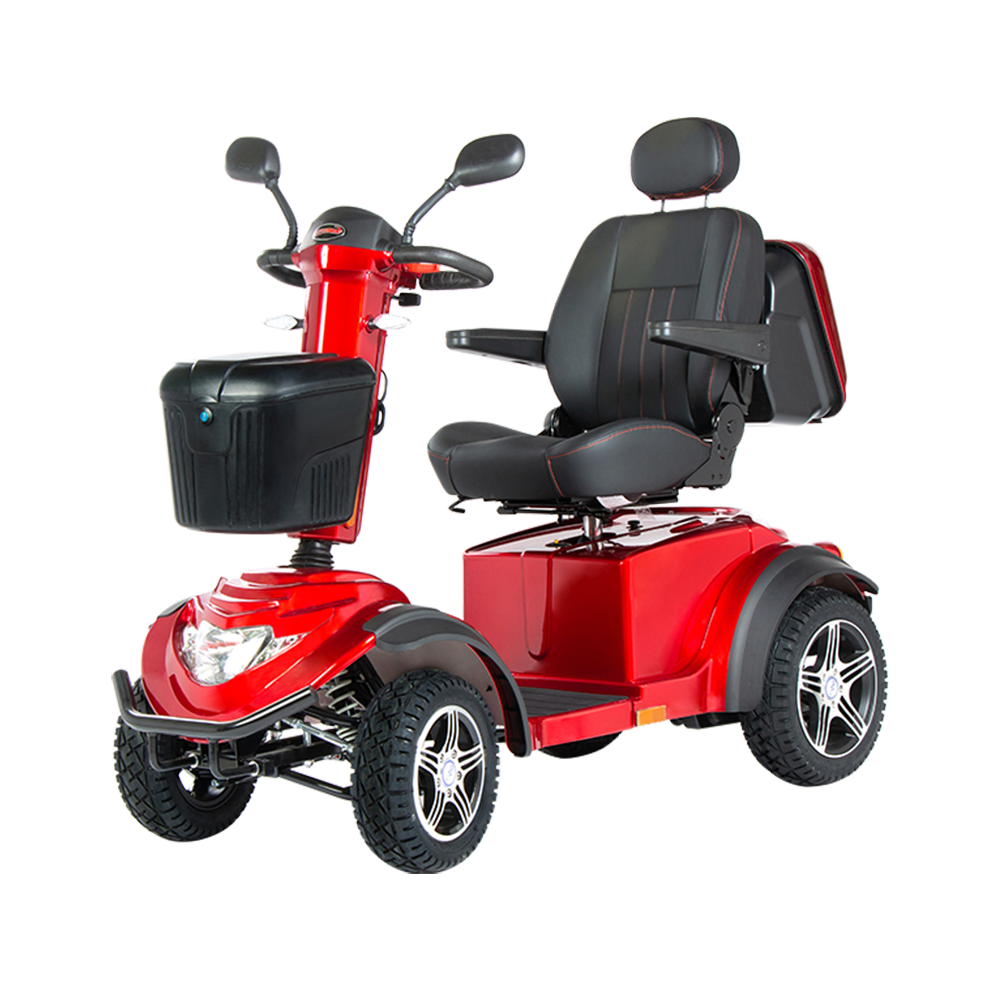
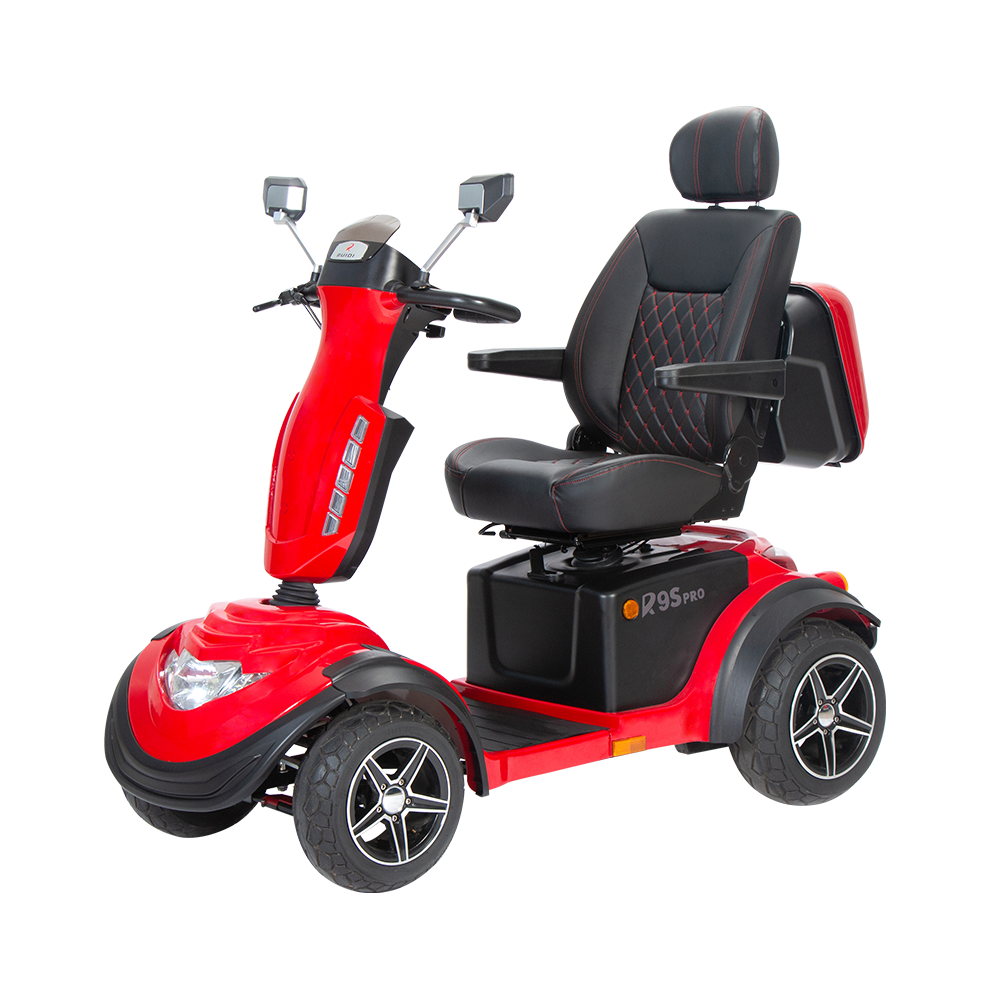
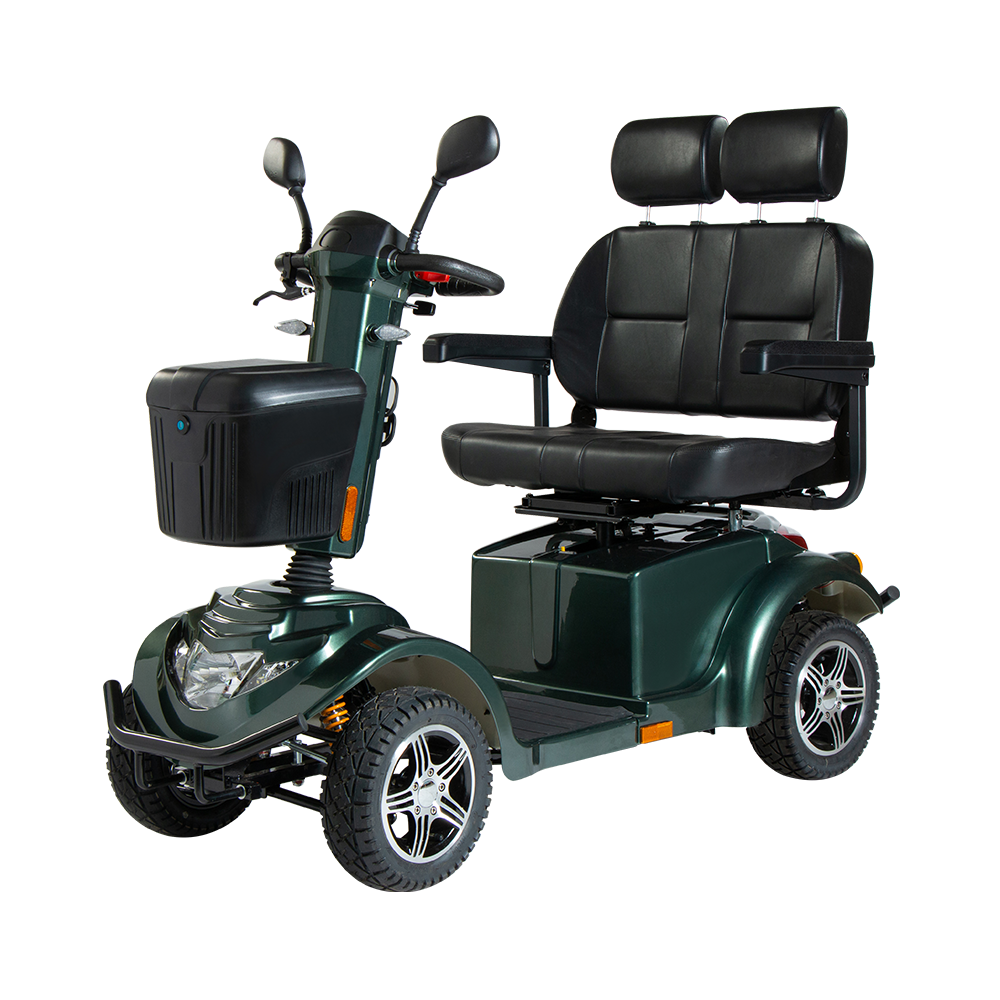
Regarding safety, foldable electric scooters are typically equipped with fundamental braking systems, non-slip tires, and structural stability mechanisms. Some designs also incorporate hill-assist features and low-speed limiting functions to ensure safe operation across various road surfaces and terrains.
Seat designs are typically engineered with long-duration comfort in mind, featuring supportive backrests and cushioned structures. The control systems prioritize simplicity and intuitiveness, lowering the barrier to entry and enabling users of all age groups to adapt to the device quickly.
Additionally, some models are outfitted with lighting systems and reflective markings to enhance visibility during nighttime hours or in low-light conditions. Such design features are particularly crucial on urban roads and within public spaces, contributing significantly to overall operational safety.
Portability and the Trend of Integration with Public Transport
As urban transportation networks continue to evolve and improve, the trend toward integrating personal mobility devices with public transportation systems is becoming increasingly pronounced. It is against this backdrop that foldable electric travel scooters have begun to garner significant attention and interest. Its portability enables seamless integration with various modes of transportation, such as:
- Combining with bus or subway systems to facilitate "last-mile" mobility;
- Pairing with private vehicles to provide short-distance transit after long-haul journeys;
- Utilizing within airports or transit stations to enhance travel efficiency.
This "multi-scenario adaptability" ensures that the device serves not merely as a standalone means of transport, but is also gradually evolving into a complementary component within the broader ecosystem of personal mobility.
Usage Guidelines and Precautions
Although operating this type of device is relatively simple, users must still adhere to fundamental guidelines during actual use.
For instance:
- Avoid traveling at high speeds under complex or road conditions;
- Regularly inspect the condition of the brakes and battery;
- Manage payload responsibly to ensure it remains within the device's design limits;
- Observe proper traffic etiquette and order when operating in public spaces.
Adhering to these basic requirements helps extend the device's service life while simultaneously ensuring operational stability and safety.
As a novel auxiliary tool for personal transit, the foldable electric travel scooter is gradually integrating itself into both urban and travel environments. Defined by its lightweight design, flexible folding mechanism, and electric propulsion, it serves to expand—to a significant degree—the possibilities available for personal mobility.

 No.58 Feiyang Road , Jinhua 321025, Zhejiang, China
 +86-13905796145
 +86-579-82268015