


 English
 中文简体
中文简体 Español
 Deutsch
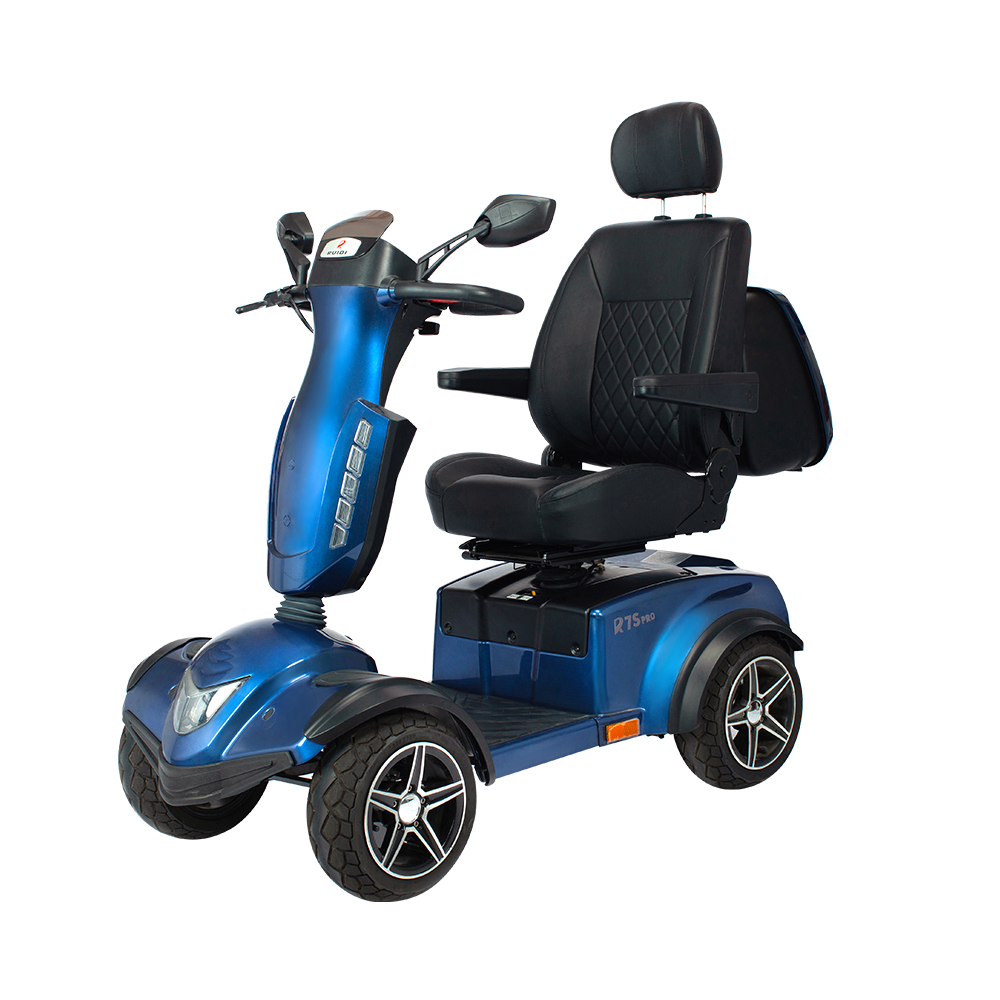
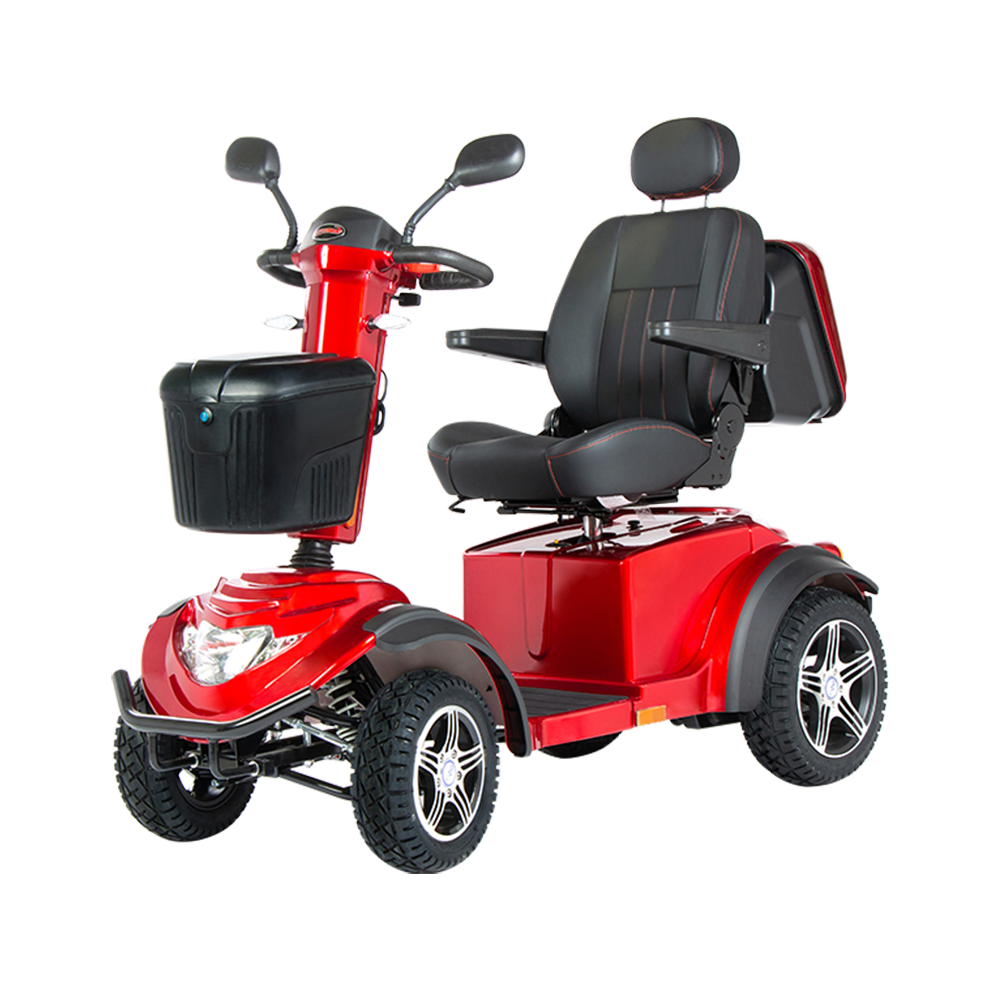
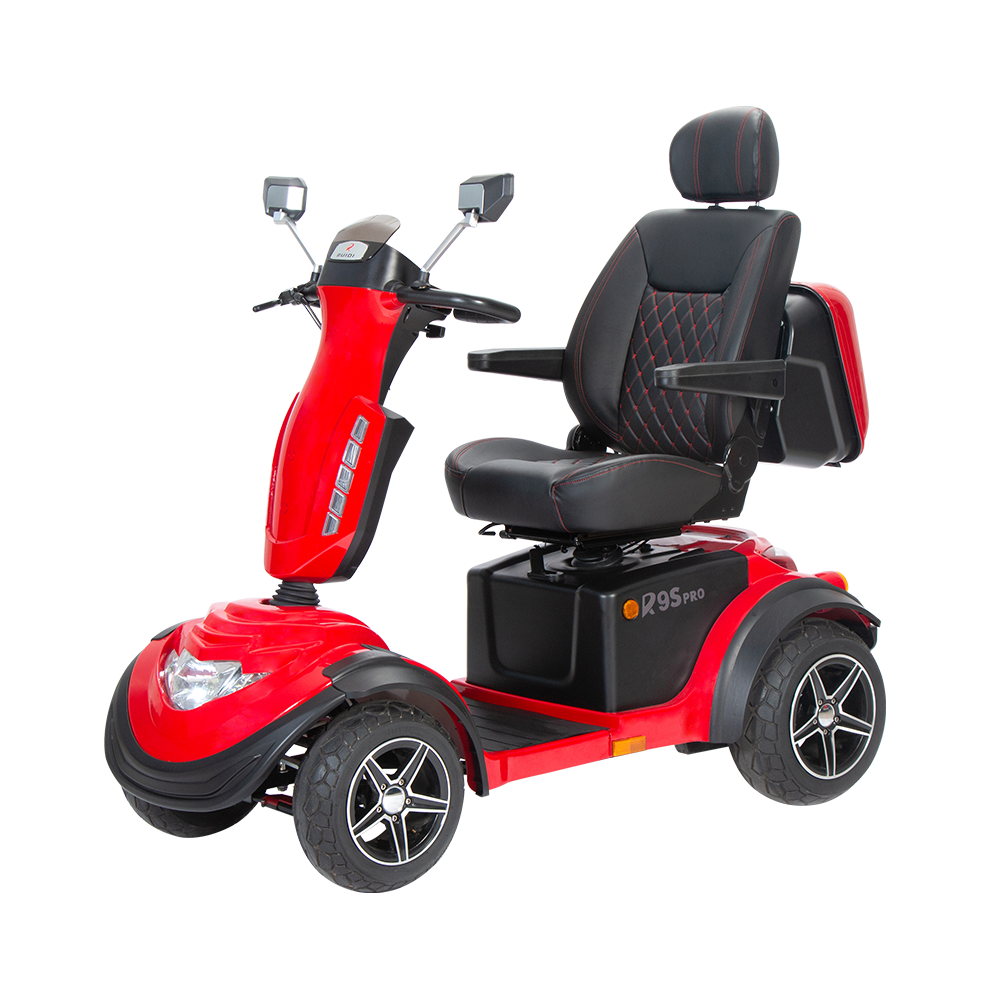
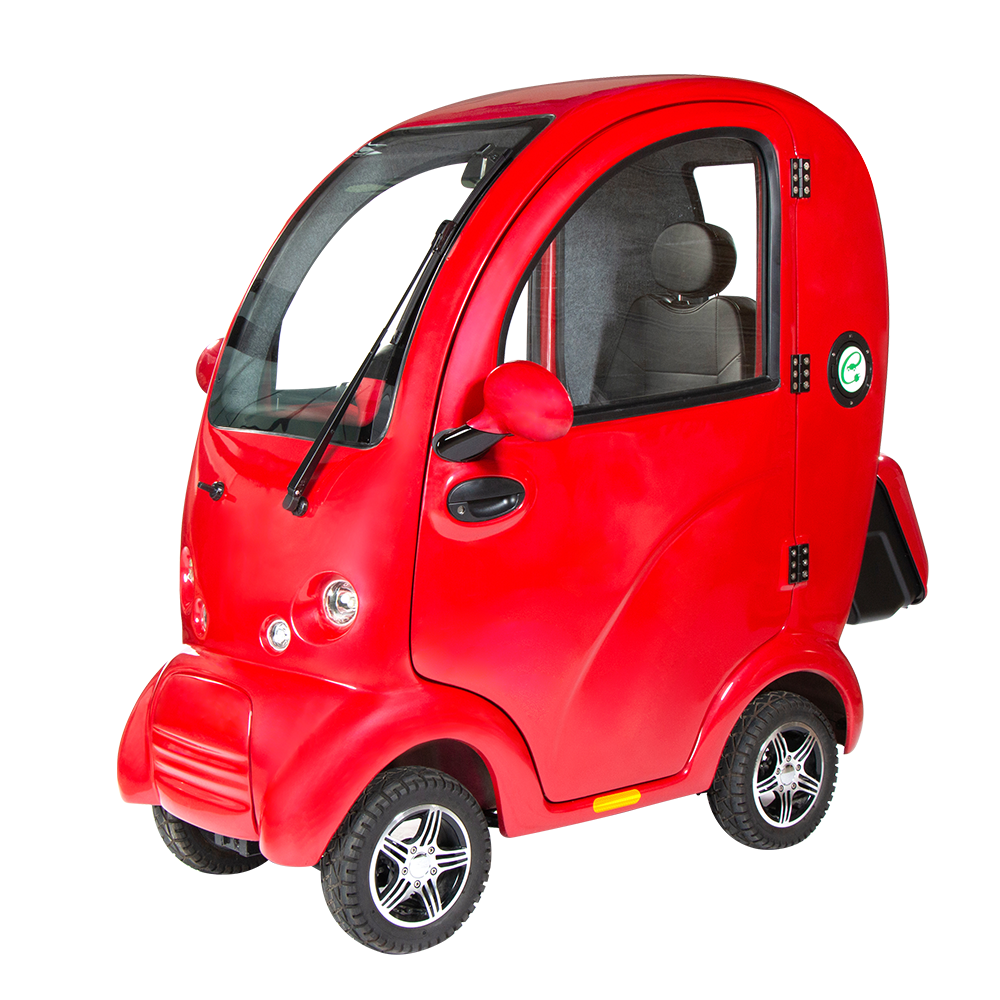
Tourism operators managing sprawling sites — mountain parks, waterfront districts, multi-zone heritage complexes — are running into the same operational bottleneck: visitors arrive energetic and leave exhausted before reaching half the attractions on the map. That pattern is reshaping fleet decisions across the sector, and it is why demand for the Scenic Tour Mobility Scooter category has been climbing faster than basic point-to-point transit vehicles over the past several seasons.
From Point-to-Point Transit to Continuous Touring
Traditional sightseeing transport was built around a simple task: move visitors from the entrance to a set of fixed stops. A Scenic Tour Mobility Scooter, by contrast, is engineered for continuous circulation across a full route, supporting longer ride durations, varied terrain, and multi-passenger groups moving between several attractions without returning to a central hub each time. This shift reflects a broader change in what visitors expect from a site visit — less waiting for the next shuttle, more uninterrupted movement through the experience itself.
Terrain Adaptability Is Driving Product Development
Parks with mixed terrain — paved plazas connecting to gravel paths, gentle inclines near waterfront viewpoints — need a vehicle that performs consistently across all of it. Suspension tuning, tire tread design, and motor torque calibration on a Scenic Tour Mobility Scooter are increasingly built around this variability rather than a single flat-surface use case. Suppliers report that requests for enhanced terrain adaptability now come from a wider range of site types than in past ordering cycles, including urban cultural districts adding pedestrian-zone touring routes alongside their traditional walking paths. Waterfront and open-space sites present a related but distinct challenge, since long, low-speed sightseeing routes along a shoreline place different demands on ride smoothness than a compact loop through a garden or plaza.
Family and Group Ridership Is Reshaping Seating Requirements
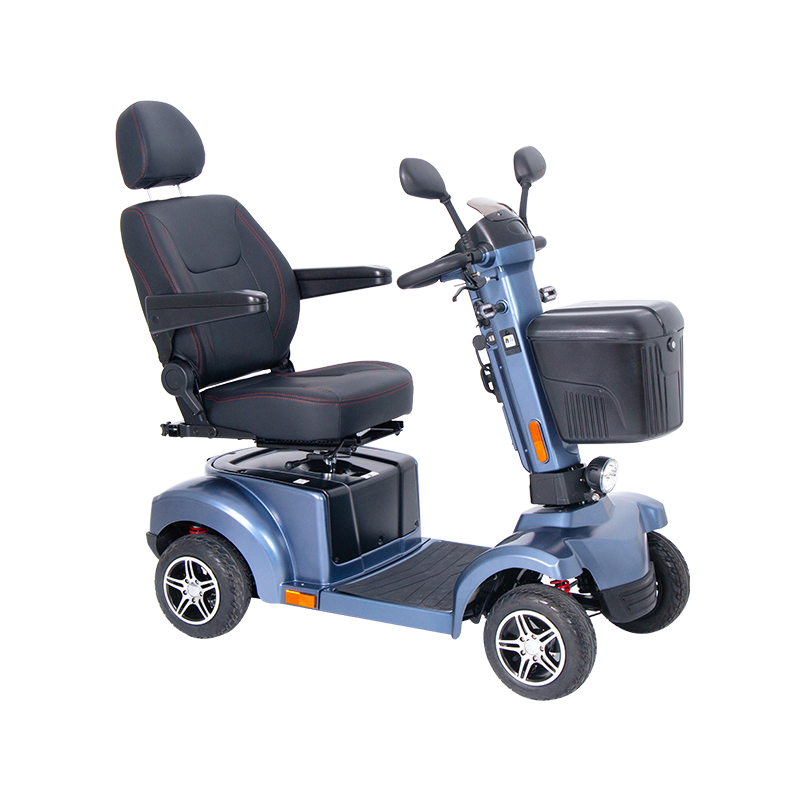
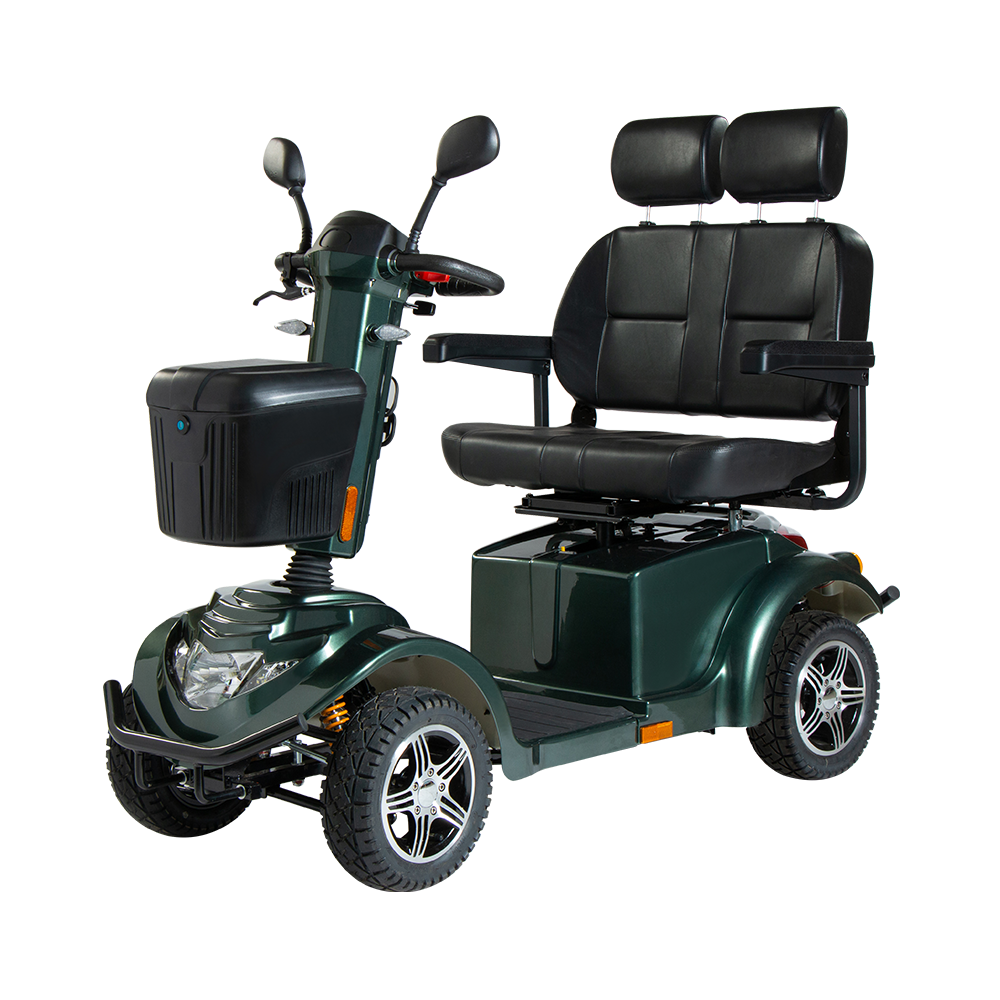
A Scenic Tour Mobility Scooter ordered for a family-oriented leisure park carries different seating requirements than one built for a single elderly rider moving short distances. Multi-passenger configurations, wider seating platforms, and more generous storage space for bags and gear are becoming standard requests rather than premium add-ons. Operators serving multi-generational visitor groups — grandparents traveling with grandchildren, for example — increasingly specify group seating capacity as a baseline requirement during initial sourcing conversations rather than treating it as an afterthought once a standard fleet has already been ordered. A family sightseeing scooter built for this use case also tends to prioritize lower boarding height and grab-rail placement, since group riders often include both very young and elderly passengers within the same seating unit.
Comparing Fleet Roles Within a Single Site
|
Fleet Role |
Entrance-to-Gate Transit |
Multi-Attraction Touring |
|
Typical Route Length |
Short, fixed segment |
Long, circular or branching |
|
Terrain Handled |
Flat, paved surfaces |
Mixed terrain and gentle slopes |
|
Passenger Grouping |
Individual riders |
Families and tour groups |
|
Ride Duration |
Brief, single-purpose |
Extended, multi-stop |
|
Operational Focus |
Throughput at peak hours |
Visitor experience continuity |
Fleet Planning Implications for Multi-Route Sites
Sites running both transit and touring functions are increasingly operating two distinct vehicle categories in parallel rather than trying to stretch one fleet across both roles. A Scenic Tour Mobility Scooter deployed on a longer circular route needs charging infrastructure positioned along the loop itself, not just at a central depot, since ride durations extend battery draw well past what an entrance shuttle experiences in a single shift. Operators planning new touring routes are increasingly consulting suppliers during the route-design phase rather than after infrastructure decisions are finalized, since seat capacity, charging placement, and terrain specifications all influence each other. A scenic area operator managing several zones under one ticketed entry often finds it more cost-effective to standardize on one touring platform across zones than to mix vehicle categories by section.
Certification and Bulk Ordering Considerations for Operators
As demand for this category grows, sites placing bulk orders for a Scenic Tour Mobility Scooter fleet are asking suppliers for terrain-specific durability documentation alongside standard safety certification, particularly for sites with slope grades above what a flat-surface transit vehicle would encounter. Customization requests — canopy style for waterfront sun exposure, wider tires for gravel paths, extended battery packs for longer loops — are being built into initial order specifications rather than retrofitted after an opening season reveals gaps in vehicle performance. This forward planning approach reflects how quickly the touring segment has moved from a supplementary purchase to a core piece of visitor infrastructure at multi-attraction sites.

 No.58 Feiyang Road , Jinhua 321025, Zhejiang, China
 +86-13905796145
 +86-579-82268015